 WhatsApp Us Now
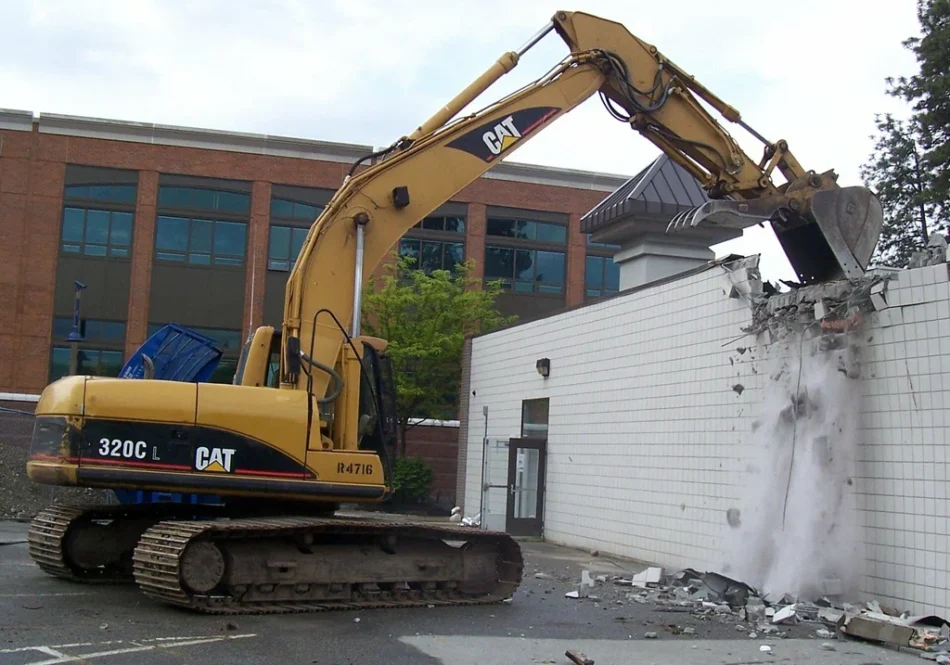
Traditional demolition methods often focus on speed and efficiency, but they can come with a high environmental cost. Large volumes of debris are sent to landfills, valuable materials are wasted, and the demolition process itself contributes to air pollution and carbon emissions.
As sustainability becomes a central concern in the construction industry, sustainable demolition practices are gaining momentum. These methods prioritize material recovery, recycling, and environmentally conscious processes. For developers, businesses, and contractors, adopting sustainable demolition isn’t just about reducing impact it’s also a strategic choice that aligns with modern environmental standards and community expectations.
Reducing Construction Waste Through Recycling and Reuse
One of the most significant environmental benefits of sustainable demolition is the reduction of construction waste. Instead of simply tearing down structures and sending everything to a landfill, materials such as concrete, metal, glass, wood, and bricks are carefully sorted and salvaged for reuse.
Many commercial demolition sydney projects now integrate recycling programs that focus on diverting waste from landfills. By prioritizing reuse and recycling, these projects help extend the lifespan of valuable materials, minimize landfill pressure, and reduce the demand for new raw resources.
Conserving Natural Resources
Every new building material requires natural resources to produce. Mining metals, cutting timber, and manufacturing concrete all take a significant toll on the environment. Sustainable demolition practices address this issue by reclaiming usable materials from existing structures.
When these materials are repurposed, fewer raw resources are needed, which directly reduces environmental strain. This approach supports the principles of a circular economy, where resources are kept in use for as long as possible. Conserving natural resources not only protects ecosystems but also helps stabilize supply chains and reduce costs over time.
Lowering Carbon Emissions and Air Pollution
Traditional demolition often involves the use of heavy machinery and uncontrolled breakage, which release dust, debris, and greenhouse gases into the air. This can negatively affect local air quality and contribute to climate change.
Sustainable demolition methods take a more controlled approach. Structures are dismantled carefully to minimize airborne pollutants, and modern equipment is often more energy-efficient, further lowering emissions. These steps make a meaningful difference in protecting the environment and ensuring cleaner air for surrounding communities.
Energy Efficiency and Cost Savings
Recycling building materials uses significantly less energy than producing new ones from scratch. For example, recycling steel saves up to 74% of the energy needed to make it from raw ore. Similarly, reusing timber and concrete reduces energy consumption throughout the supply chain.
In addition to energy savings, sustainable demolition can also lead to cost reductions. Salvaged materials can often be sold or reused on future projects, offsetting demolition costs. This combination of environmental and financial benefits makes eco-friendly demolition an increasingly attractive option for developers and contractors alike.
Supporting Green Building Certifications and Regulations
Sustainable demolition plays an important role in meeting green building certifications such as LEED (Leadership in Energy and Environmental Design). These certifications reward projects that follow environmentally responsible practices, including efficient material recovery and recycling.
Moreover, environmental regulations are becoming stricter in many regions. Adopting sustainable demolition practices ensures compliance with these rules while enhancing a company’s reputation. By taking a proactive approach, businesses can position themselves as industry leaders that value both the environment and community trust.
Encouraging Innovation and Sustainable Development
The growing demand for eco-friendly demolition is driving innovation across the construction industry. New equipment, technology, and techniques are being developed to make demolition cleaner, safer, and more efficient.
Midway through many projects, companies find that working with experienced teams specializing in sustainable methods can significantly enhance efficiency. For example, professionals managing commercial demolition sydney projects are adopting advanced sorting systems and material-tracking technologies to streamline recycling processes and reduce waste.
Additionally, sustainable demolition practices contribute to a future where cities are designed with adaptability and resource conservation in mind. Urban redevelopment projects are increasingly considering how existing structures can be deconstructed rather than demolished, making it easier to reuse materials and reduce environmental impact. Organizations that prioritize eco-friendly methods, such as those involved in commercial demolition sydney, are setting the standard for responsible construction practices and shaping the next generation of sustainable cities.
Conclusion
Sustainable demolition practices offer a powerful way to reduce environmental impact while supporting innovation and cost efficiency. By recycling materials, conserving resources, lowering emissions, and promoting energy efficiency, these methods contribute to greener communities and a healthier planet.
For developers, contractors, and property owners, adopting eco-friendly demolition strategies isn’t just the right thing to do it’s also a smart investment in the future of construction. As environmental awareness grows, sustainable demolition will continue to play a key role in shaping responsible development.


