 WhatsApp Us Now
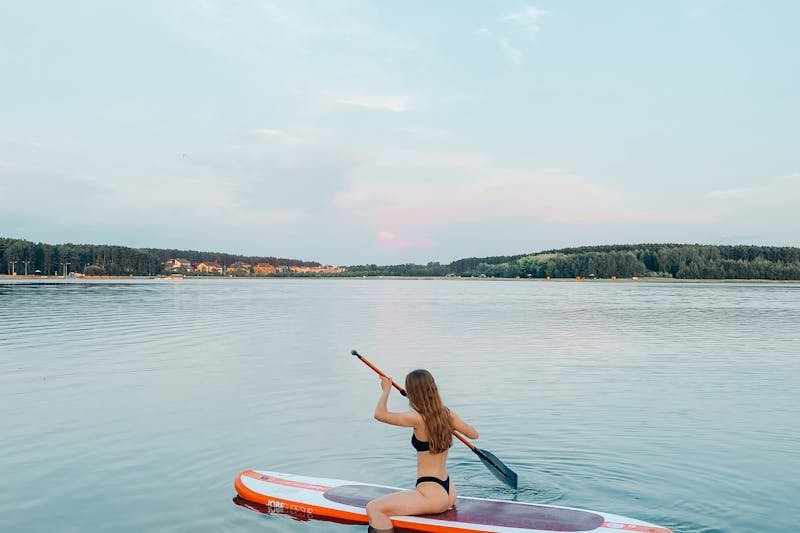
Have you been daydreaming about gliding across calm waters, soaking up Australia’s sunshine, and getting a gentle full-body workout? Are you curious about how to buy a paddle board that suits a complete newbie without breaking the bank? If you’ve answered “yes” to both, you’re in the perfect place. Stand up paddle boarding (often called SUP) is one of the fastest-growing water sports in Australia, and it’s easy to see why. It offers a refreshing way to explore local coastlines, lakes, and rivers, all while improving your balance, core strength, and coordination.
In this post, we’ll cover everything you need to know about picking the best entry level paddle board. You’ll learn why certain features really matter, how to buy a stand up paddle board that meets your needs, and the most common challenges beginners in Australia often face. By the end, you’ll be able to pinpoint exactly what makes a beginner-friendly SUP, plus you’ll find out how to spot the best deals if you’re on a tighter budget.
If you’re new to all this, don’t stress. We’ll walk you through five crucial features to look for. We’ll sprinkle in extra tips so you can learn how to do SUP, how to paddle a stand up paddle board safely, and even how to store your new gear. Let’s dive right in so you can start your paddle boarding adventure on the right foot.
Stability & Board Shape
Why Stability Is Crucial for New Paddlers
When you’re first learning how to do SUP, stability will be your best friend. Balancing on the water can feel wobbly at the start, especially if you’re not used to standing on a floating surface. A board designed with beginners in mind is typically wider and thicker, which helps reduce any side-to-side rocking. This extra stability makes it far easier to focus on the basics, like proper paddling form and foot placement.
Stability also boosts your confidence, letting you practise turns or try little accelerations without constantly worrying about falling. The more stable your board is, the more likely you’ll stick with the sport and discover its many joys. After all, there’s nothing like gliding over crystal-clear waters, scanning beneath you for fish or coral reefs, and feeling totally at ease.
Understanding Different Hull Types (Planing vs. Touring)
When you’re browsing through a paddle board buying guide, it’s likely you’ll encounter two main hull types: planing and touring. A planing hull is usually wide and flat, similar to a surfboard, making it fantastic for recreational paddling and a bit of surfing if the waves are gentle. Touring hulls, on the other hand, have a pointed nose and are designed to cut through water more efficiently, which is great for long-distance paddles.
For complete beginners, a planing hull board often provides more initial stability. But if you foresee longer paddling sessions on calm lakes or bays, you might consider a touring board. Either way, focus on the shape best suited to your usual paddling environment.
How to Buy a Stand Up Paddle Board That Offers Maximum Balance
If you’re learning how to buy a paddle board, pay close attention to width and thickness. A wider board (around 30 inches or more) is generally more stable. Combine this with moderate thickness to support your weight without riding too high or too low in the water. Don’t forget that personal comfort also plays a part. If you can, test or rent several boards first to see which one feels easiest to stand on. It’s all about trial and error until you find that perfect fit.
Inflatable vs. Hard Boards
Pros and Cons of Inflatable SUPs (Best Inflatable Surf SUP)
When you see “SUP for sale” ads, you’ll usually come across both inflatable and hard boards. Inflatable SUPs have become super popular, especially for beginners. They’re easy to store, fit neatly in a car boot or even a wardrobe, and tend to be more forgiving if you accidentally bump them against a jetty. Plus, an inflatable can double as the best inflatable surf SUP if you choose a model designed for small waves and manoeuvrability.
However, inflatables require pumping time (or an electric air pump) before each session. They also can be slightly less rigid than a hard board, which might affect performance in choppier conditions. Even so, modern inflatable designs have come a long way, and for most newcomers, they’re more than reliable enough.
Best Paddle Boards Inflatable – Popular Picks in Australia
Australia’s paddle boarding scene is thriving, so you’ll have loads of options. Brands offering the best paddle boards inflatable often boast reinforced PVC construction, durable drop-stitch technology, and comfortable deck pads. In many cases, you’ll find entire kits that include a paddle, leash, repair patch, and carry bag. These extras save money and make your life easier when you’re first starting out.
If you plan to explore coastal areas or small waves, look for an inflatable board with a rounded nose and a wider tail. If you’re more interested in lake cruising, a narrower nose (slightly more on the touring side) will help you glide along smoothly. Reading customer reviews and trying boards at local demo days can give you a great sense of what suits your lifestyle.
Maintenance Tips for Inflatable SUPs
After each adventure, quickly rinse your inflatable board with fresh water to get rid of salt, sand, and debris. Let it dry thoroughly before rolling it up, since trapped moisture can lead to mould. Store it in a cool, shaded area, and protect it from direct sunlight. Even the best inflatable stand up paddle board Australia has to offer can degrade if left under midday sun for too long. Roll it loosely so as not to damage the internal fibres and keep the board’s valves clean for airtight performance. These simple measures ensure your board stays in great shape season after season.
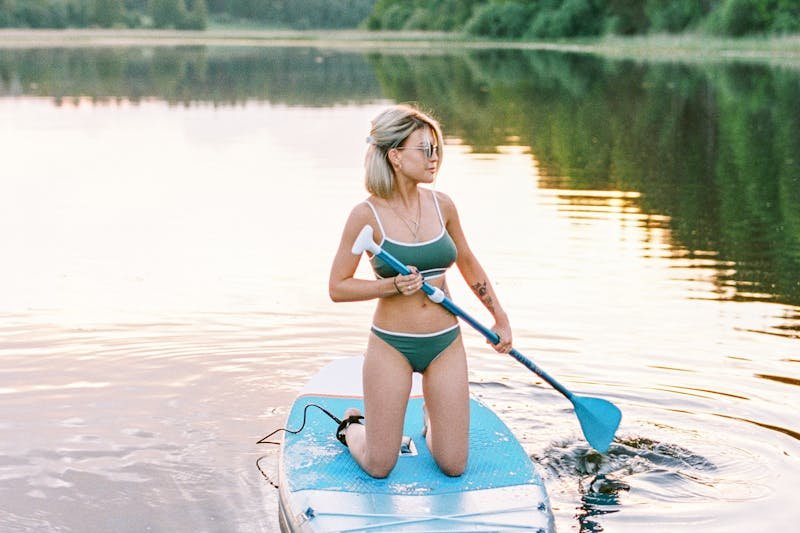
Board Dimensions (Length & Volume)
Choosing the Right Size (Best Beginner Paddle Board Length)
Ever wondered why there are so many lengths on display when you explore a shop or website with paddle boards for sale? It’s because length and volume play a big part in performance. For beginners, a board measuring between 9 and 11 feet is typically considered a sweet spot. Shorter boards in this range are easier to manoeuvre, while slightly longer boards track better in a straight line.
The best beginner paddle board length for you depends on your height, weight, and where you’ll be paddling. Heavier paddlers might go for something around 10’6” to 11 feet to make sure they have enough flotation. Lighter paddlers can manage something shorter and narrower without sacrificing stability.
Paddle Board Buying Guide for Optimal Volume
Volume refers to how much weight the board can support comfortably. If you pick a board with too little volume, you’ll struggle to stay afloat and end up wobbling constantly. On the flip side, a board with too much volume might sit high in the water, which can feel awkward in windy conditions. So, how do you find the magic number?
Look at the manufacturer’s recommended rider weight range. Many boards also list their volume in litres. Generally, a board with 170–220 litres is a safe bet if you weigh under 80 kg, while heavier paddlers might look in the 220–260 litre range. Everyone is different, so a quick test ride can help you figure out your comfort zone.
Common Mistakes When Picking an Entry-Level SUP
One often overlooked detail is ignoring the recommended weight capacity. If you’re right at the top of a board’s capacity, consider sizing up. Another is choosing a board solely based on price. While budgeting is sensible, the cheapest option might lack the durability or stability a newcomer needs. Finally, forgetting where you’ll do most of your paddling can lead to frustration if you choose the wrong shape. Always ask yourself if you’ll mostly be on calm rivers, choppy bays, or coastal waves. Answering these questions upfront will help you avoid buyer’s remorse.
Conclusion
Summing up, you’ll want to focus on a shape that is stable, a material that is durable, and a size that meets your weight and height requirements. If you’re still unsure, try visiting a local SUP demo event or asking experienced paddlers for guidance. You’ll quickly discover that the best beginner paddle board for you is the one that strikes a balance between comfort, reliability, and affordability.


