 WhatsApp Us Now
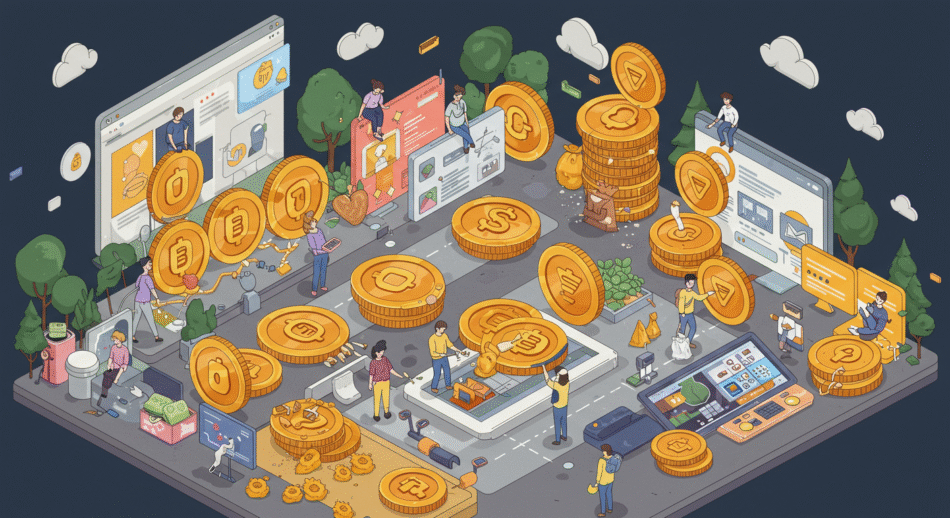
Tokenomics, short for token economics, represents the backbone of any blockchain-based ecosystem. It encompasses how tokens are created, distributed, and utilized to drive value within a network. A strong tokenomics framework not only provides immediate functionality but also sets the foundation for sustainable growth and long-term ecosystem stability. Poorly designed models often collapse under speculation, while well-structured ones generate trust, adoption, and scalability. This blog explores how to build sustainable token models, highlighting critical principles of tokenomics development that ensure endurance and value creation.
Defining Tokenomics and Its Role in Ecosystems
Tokenomics is often described as the “economic engine” of blockchain projects, but in practice, it is far more comprehensive. It not only defines how tokens are distributed or traded but also lays out the rules that govern behavior within the ecosystem. Without clear rules, participants may lack incentives to engage or stay invested, which ultimately weakens the system. A strong tokenomics design ensures alignment between project creators, users, and investors. By establishing trust and predictability, it creates a foundation where value can compound, network effects can flourish, and the ecosystem can grow sustainably.
- Holistic Definition
Tokenomics includes supply models, demand mechanisms, distribution strategies, and governance rules. It sets the incentive structure for participants and shapes the ecosystem’s future. - Link to Project Viability
Strong tokenomics enhances adoption, while weak design often leads to abandonment. Projects succeed when tokens drive genuine utility beyond speculation. - Behavioral Influence
The framework defines how stakeholders behave, whether they hold, stake, spend, or sel,l directly impacting ecosystem health. - Strategic Importance
In many cases, tokenomics is as important as the technology itself. It determines scalability, sustainability, and competitiveness in a crowded market.
Token Supply and Distribution Strategy
The supply and distribution of tokens form the structural skeleton of tokenomics. This design choice impacts scarcity, liquidity, and long-term stability of the project. A poorly managed supply can lead to inflation, dilution of token value, or excessive centralization of ownership. Conversely, a well-balanced distribution ensures fairness, transparency, and encourages long-term participation. Supply strategies also influence the token’s reputation in the eyes of the community and investors. By carefully designing these mechanisms, projects can build resilience, maintain trust, and foster demand over extended periods of time.
- Total Supply Design
Projects must decide on capped vs. inflationary supply. Capped supply fosters scarcity, while inflationary models allow ongoing rewards and adaptability. - Circulating vs. Locked Tokens
Differentiating circulating supply from locked or reserved tokens prevents early dilution and aligns incentives for long-term supporters. - Vesting Schedules
Token release schedules, including cliffs and gradual unlocks, prevent dumping and ensure aligned interest between teams, investors, and users. - Fair Allocation Mechanisms
Strategies like fair launches, pre-sales, or community airdrops can balance early access and long-term inclusivity.
Token Utility & Demand Engineering
Token utility is the lifeblood of sustainable tokenomics. A token with no purpose beyond speculation is destined for short-term hype followed by collapse. Genuine utility ensures that tokens retain consistent demand within the ecosystem, driving both usage and value. Demand engineering focuses on designing features and use cases that give tokens intrinsic worth—whether through governance, access to services, or transaction mechanisms. Projects that succeed here create self-sustaining cycles where tokens are used, earned, and reinvested into the ecosystem, fostering growth and resilience over time.
- Utility in Action
Tokens should facilitate payments, staking, governance, or access to services within the ecosystem, ensuring consistent demand. - Token Sinks
Mechanisms such as transaction fees, burn functions, or premium service payments reduce supply and drive sustained demand. - Network Effects
The more participants rely on the token, the stronger the value proposition becomes, creating self-reinforcing adoption loops. - External Integrations
Expanding token usage beyond its native ecosystem through third-party integrations broadens utility and market adoption.
Incentive Structures and Participant Alignment
Incentives form the motivational engine of a blockchain ecosystem. Without clear and meaningful rewards, participants may lose interest or migrate to competing platforms. Incentive structures ensure that every participant—whether they are users, developers, or validators—has a reason to contribute. The goal is to align personal gain with ecosystem health, creating a symbiotic relationship. Properly structured incentives discourage harmful behavior like dumping or exploitation while rewarding long-term loyalty, active contribution, and security. This balance drives growth, strengthens community ties, and promotes sustainable ecosystem expansion.
- User Incentives
Loyalty rewards, staking yields, and referral bonuses keep users engaged and committed to the network. - Developer Incentives
Grants and token allocations encourage developers to build applications and tools, driving ecosystem expansion. - Validator and Miner Rewards
Networks relying on consensus mechanisms must reward validators fairly, ensuring security and performance. - Community Engagement Rewards
Tokens can incentivize contributions such as content creation, event organization, or governance participation.
Governance and Decision Frameworks
Governance is the mechanism that ensures long-term adaptability and fairness in token ecosystems. While technology provides the infrastructure, governance determines how that infrastructure evolves. Effective governance models create transparency, encourage community participation, and prevent concentration of power. They allow ecosystems to adapt to market changes, regulatory environments, and user needs without losing credibility. Governance also ensures that stakeholders feel included, creating stronger loyalty and accountability. In essence, governance provides the foundation for ongoing innovation, stability, and alignment of interests across the network.
- Centralized vs. Decentralized
While early-stage projects may adopt centralized governance, mature ecosystems often shift toward DAOs for inclusivity and transparency. - Voting Power Models
Systems such as quadratic voting or delegated authority prevent large holders from monopolizing decision-making. - Governance Incentives
Rewarding active governance participation ensures that stakeholders contribute to ecosystem evolution. - Protocol Adaptability
Built-in flexibility allows for adjustments to inflation rates, rewards, or utility functions as market conditions evolve.
Risk Controls and Sustainability Mechanisms
Sustainability requires proactive risk management. Blockchain ecosystems face threats from inflation, liquidity shortages, security breaches, and regulatory challenges. Without safeguards, these risks can destabilize the token and erode trust. Effective risk controls ensure stability even during turbulent times by establishing rules and buffers for worst-case scenarios. Mechanisms like emergency funds, compliance frameworks, and liquidity programs enhance resilience. Sustainability is not accidental; it results from deliberate planning and foresight. By embedding these measures into tokenomics frameworks, projects secure long-term credibility and survival in competitive markets.
- Inflation and Deflation Balance
Overprinting tokens leads to inflation, while extreme scarcity discourages use. A balanced approach sustains value and participation. - Liquidity Management
Incentivized liquidity pools and market-maker support maintain smooth trading and price stability. - Regulatory Compliance
Proactive alignment with legal frameworks builds trust among users and institutional participants. - Crisis Management Protocols
Emergency funds, rollback mechanisms, or governance-triggered interventions ensure resilience during crises.
Comparative Case Studies & Lessons Learned
Case studies highlight the difference between theory and real-world practice. Successful projects demonstrate how effective tokenomics translates into adoption and stability, while failures provide cautionary lessons. By examining examples like Ethereum’s fee burn or Uniswap’s liquidity incentives, we see how design choices influence outcomes. Dual-token systems like Axie Infinity showcase creative approaches, while failed models underscore the risks of poor planning. These lessons prove that effective tokenomics development requires not only creativity but also adaptability, foresight, and consistent monitoring to maintain long-term health.
- Ethereum’s EIP-1559 Model
By introducing fee-burning, Ethereum aligned user demand with deflationary pressures, stabilizing long-term value. - Uniswap’s Liquidity Incentives
Token rewards for liquidity providers ensured consistent ecosystem activity and deep market liquidity. - Axie Infinity’s Dual-Token Economy
Splitting governance and utility into separate tokens supported both long-term governance and daily use cases. - Failed Models
Projects with no clear utility or oversupply issues demonstrate the importance of careful design and monitoring.
Conclusion
A sustainable tokenomics framework requires a blend of thoughtful design, aligned incentives, and adaptive governance. By focusing on utility, balancing supply-demand dynamics, and integrating long-term risk controls, projects can foster robust ecosystems that grow steadily over time. Successful tokenomics development goes beyond short-term speculation and instead builds value that lasts, ensuring resilience, trust, and widespread adoption in the digital economy.


