 WhatsApp Us Now
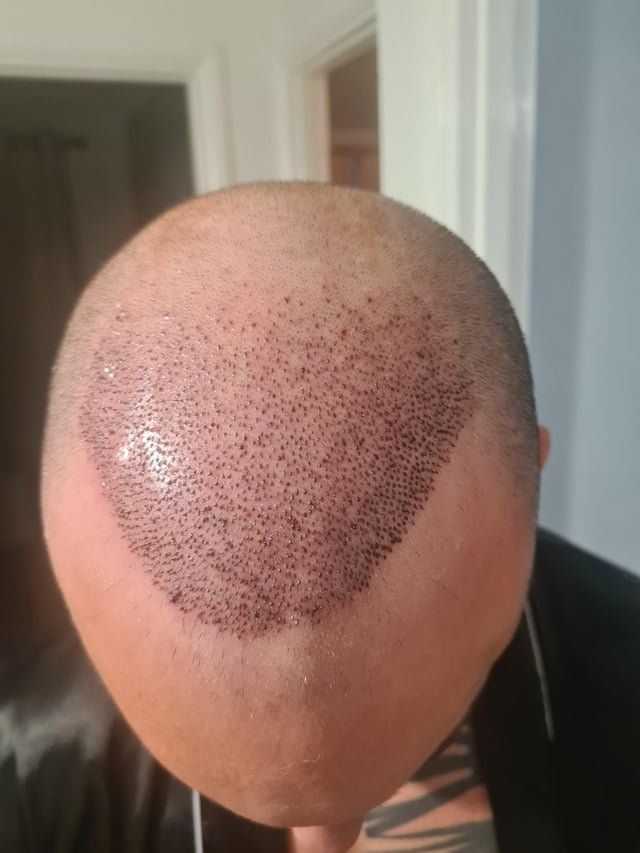
Introduction to Crown Hair Transplants
Crown baldness, commonly occurring in the vertex or top-back area of the scalp, is a persistent concern that affects many individuals. Crown Hair Transplant in Abu Dhabi has become a leading solution, thanks to innovative techniques that have revolutionized how crown hair loss is addressed. With advanced procedures, tailored approaches, and natural-looking results, individuals can now experience remarkable transformations and restore confidence.
Understanding Crown Hair Loss
Hair loss at the crown is often gradual and typically follows a distinctive circular thinning pattern. It is commonly associated with pattern baldness, and its visibility increases as hair density reduces. Crown baldness can be one of the most difficult areas to conceal, making targeted restoration important.
Why the Crown Area is Unique
Unlike the hairline or frontal scalp, the crown has a natural whorl pattern that demands precise planning. The direction, angle, and density of hair growth in this area must be carefully considered to replicate a natural appearance. That’s why crown hair transplants require distinct expertise and attention to detail.
Ideal Candidates for Crown Transplants
Not everyone with hair thinning in the crown is an ideal candidate for transplantation. Factors such as the extent of thinning, age, hair texture, and donor hair availability influence eligibility. Those in good overall health with stable hair loss patterns are often the best candidates for long-term success.
Personalized Consultation and Hair Analysis
Every successful crown hair transplant in Abu Dhabi begins with a detailed consultation. During this session, scalp condition, hair growth direction, and donor density are assessed. Customized plans are then developed based on these insights to ensure realistic and satisfying outcomes.
Techniques Used in Crown Transplants
There are different transplant techniques that may be applied to the crown area, depending on the individual’s hair type and goals. Each method involves carefully harvesting hair from denser areas of the scalp and implanting them into the thinning crown, ensuring they follow the natural whorl pattern.
Planning for Natural Hair Direction
The crown’s natural swirl is a defining feature. Precise placement of hair grafts is essential to mimic this spiral flow. Advanced planning ensures the new hair grows in a direction consistent with the existing pattern, maintaining a seamless look that blends perfectly with surrounding hair.
Graft Distribution and Density Control
Creating natural density in the crown involves strategic distribution of grafts. Since this area typically requires a larger number of grafts than other parts of the scalp, careful calculation is done to achieve balanced coverage without exhausting donor resources.
Healing and Hair Growth Timeline
Following a crown transplant, hair begins a growth cycle that includes an initial shedding phase. This is followed by steady regrowth, typically beginning around three to four months after the procedure. Full results can take up to a year to become fully visible, especially in the crown, where growth may be slightly slower.
Long-Term Results and Maintenance
The outcome of a crown hair transplant is designed to be long-lasting. However, as natural hair continues to age, some individuals may consider supportive maintenance. Ongoing care, including proper scalp hygiene and wellness strategies, can help preserve the results.
Differences Between Crown and Hairline Transplants
Unlike hairline restoration, crown transplants are not immediately visible from the front. However, because of their position, they are more noticeable from above and behind. This makes achieving natural swirl replication and consistent density even more critical for realistic results.
Impact on Self-Confidence
Many individuals in Abu Dhabi pursue crown transplants not only to improve their appearance but also to regain lost confidence. Fullness at the crown contributes to an overall youthful and healthy look, reducing self-consciousness and improving personal and professional interactions.
Gender Considerations in Crown Transplants
While men more commonly experience crown thinning, women can also benefit from targeted transplant strategies. Gender-specific considerations are taken into account during planning, particularly in cases of diffused thinning, where density must be improved without overloading the scalp.
Hair Texture and Transplant Outcome
Hair texture plays a role in how much coverage a transplant provides. Thicker, coarser strands tend to offer more visual density, while finer hair may require more grafts. Custom plans in Abu Dhabi are developed based on this to ensure maximum effectiveness.
Creating Seamless Transitions with Existing Hair
A successful transplant should look indistinguishable from natural hair. Careful integration with existing strands—both in direction and thickness—is essential. Matching the density and color of transplanted hair to native growth patterns is part of creating seamless transitions.
Scalp Health and Preparation
Before transplantation, the scalp must be in good condition. Preparing the scalp often involves ensuring it is clean, well-hydrated, and free of conditions that may inhibit graft survival. Proper preparation supports higher success rates for hair grafts.
Tailored Recovery Support
Post-transplant recovery includes personalized care instructions. Gentle handling of the transplanted area, scalp cleansing routines, and protection from environmental factors are key during the early healing stages. Tailored aftercare ensures optimal graft survival and hair growth.
Avoiding Overcrowding in the Crown
Although achieving density is important, overcrowding the crown with too many grafts can lead to unnatural results. Expert planning ensures that hair is spaced appropriately to allow healthy growth and maintain the scalp’s natural appearance.
Managing Expectations
While crown transplants offer highly effective results, outcomes vary based on individual factors. Transparency and realistic goals during consultation help ensure that individuals understand the likely timeline and results, making the journey smoother and more rewarding.
Cultural Considerations in Abu Dhabi
Discretion and privacy are deeply valued in Abu Dhabi. Crown transplants are approached with sensitivity, ensuring personalized care and confidential treatment options. Many individuals seek minimal disruption to their daily routines, which tailored transplant services accommodate effectively.
FAQs
What is the crown area in hair transplants?
The crown, or vertex, is the circular area at the top-back of the head. It’s a common site for hair thinning and requires special techniques to replicate the natural swirl pattern during transplants.
How long does it take to see full results from a crown hair transplant?
Full results can take up to 12 months. Initial growth begins within 3–4 months, but because crown hair grows slower, final density appears over a longer period.
Can women get crown hair transplants in Abu Dhabi?
Yes, women experiencing thinning at the crown can benefit from personalized transplant techniques that cater to their unique hair patterns and aesthetic goals.
Will the transplanted hair in the crown look natural?
Absolutely. When planned and executed properly, transplanted hair in the crown replicates the natural direction, density, and flow, making it blend seamlessly with existing hair.
Is the crown transplant process painful?
The process is designed to be as comfortable as possible. While individuals may experience some mild sensation, it is generally well tolerated and supported with personalized care.
Conclusion
Crown hair transplants in Abu Dhabi provide individuals with an effective, natural-looking solution to combat thinning in one of the most visible areas of the scalp. Through precise planning, attention to hair growth patterns, and customized care, the process delivers long-lasting and confidence-boosting results. Whether you’re just starting to notice crown thinning or have long sought a solution, this guide offers clarity, insight, and direction for your hair restoration journey.


