 WhatsApp Us Now
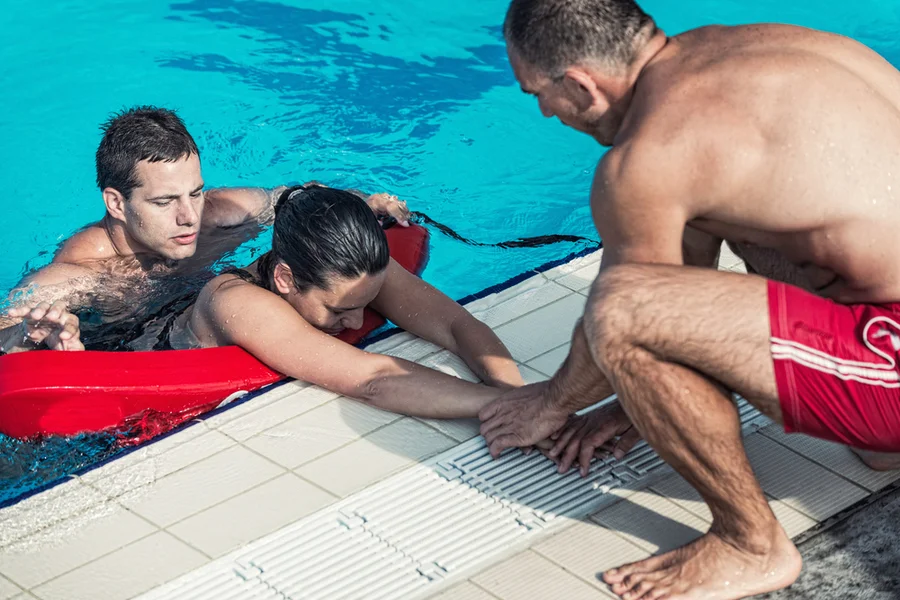
Lifeguards play a crucial role in ensuring water safety in pools, beaches, and other aquatic environments. Their responsibilities go beyond just watching over swimmers; they are trained professionals responsible for preventing accidents, responding to emergencies, and enforcing safety regulations. Becoming a lifeguard requires rigorous training, dedication, and a strong sense of responsibility. This article explores the key responsibilities of a lifeguard and the training requirements necessary for the role.
Key Responsibilities of a Lifeguard
1. Monitoring Swimmers and Preventing Accidents
Lifeguards must always remain vigilant, scanning the water for potential hazards and signs of distress. Their primary goal is to prevent accidents before they happen by identifying risky behavior, dangerous water conditions, or individuals struggling in the water.
2. Responding to Emergencies
When emergencies arise, lifeguards must react quickly and effectively. They are trained in water rescue techniques, CPR, and first aid to provide immediate assistance. Whether it’s rescuing a drowning swimmer, administering CPR, or handling spinal injuries, lifeguards must remain calm and act decisively.
3. Enforcing Safety Rules and Regulations
To maintain a safe environment, lifeguards enforce safety rules such as no diving in shallow areas, no running near pools, and proper use of flotation devices. Their role is to educate the public on safe swimming practices and ensure that rules are followed.
4. Performing First Aid and CPR
Lifeguards are often the first responders in medical emergencies. They must be proficient in first aid techniques to treat minor injuries like cuts and bruises, as well as more serious conditions such as cardiac arrests or heat exhaustion.
5. Maintaining Equipment and Facilities
Lifeguards are responsible for inspecting and maintaining safety equipment, such as rescue tubes, backboards, and automated external defibrillators (AEDs). Regular checks ensure that all equipment is in proper working order in case of an emergency.
6. Communicating with Swimmers and Authorities
Effective communication is essential for lifeguards. They must be able to give clear instructions to swimmers, coordinate with other lifeguards, and report incidents to supervisors or emergency services when necessary.
Training Requirements for Lifeguards
1. Swimming Proficiency
Lifeguards must be strong swimmers capable of handling rescues in various water conditions. Training includes endurance swimming, treading water, and underwater retrieval exercises.
2. CPR and First Aid Certification
Lifeguards must complete CPR and first aid training, learning how to handle cardiac emergencies, choking incidents, and minor injuries. Certification must be kept up to date through regular refresher courses.
3. Rescue Techniques and Emergency Response
Training covers various rescue methods, including reaching assists, throwing assists, and in-water rescues. Lifeguards also learn how to handle spinal injuries safely to prevent further harm.
4. Physical Fitness Requirements
Lifeguards need to maintain high levels of physical fitness. Training includes timed swimming tests, endurance drills, and strength exercises to ensure they can perform rescues efficiently.
5. Knowledge of Water Safety Laws and Regulations
Lifeguards must be familiar with water safety laws and facility-specific rules. Understanding legal responsibilities and liability issues helps them enforce rules correctly and handle incidents professionally.
6. Ongoing Training and Certification Renewal
To stay prepared, lifeguards participate in ongoing training sessions and recertification programs. Regular practice drills ensure their skills remain sharp and up to industry standards.
Conclusion
Lifeguards are essential for maintaining safety in aquatic environments. Their responsibilities extend beyond rescue operations to include accident prevention, first aid administration, and public education. Proper training is crucial for ensuring lifeguards are well-equipped to handle emergencies and protect lives. If you’re considering becoming a lifeguard, be prepared for rigorous training and a commitment to maintaining safety standards at all times.


