 WhatsApp Us Now

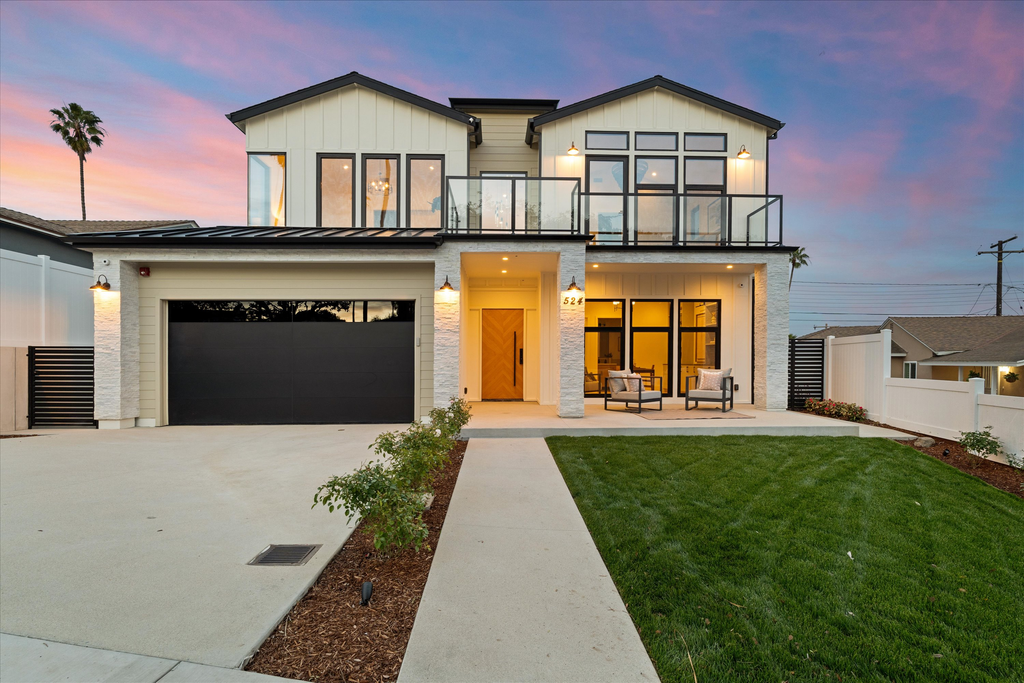
Building a luxury home isn’t one long stretch of construction. It’s a series of decisions, approvals, and handoffs, and some of them can stop a project cold if they aren’t handled in the right order.
If you’re researching luxury home builders in Sherman Oaks, understanding that structure is one of the best things you can do before your first meeting. A good process protects your budget, your schedule, and your sanity.
A helpful way to think about it is as a series of gates. Each gate has to open before the project moves forward, and each one has predictable things that can jam it. Here are six.
Gate One: The Brief and the Feasibility Check
What happens here: Before any drawings, you and your builder talk through the basics. Who is the home for? How do you live? What must it include, and what would be nice to have? At the same time, the team reviews the lot itself: zoning, setbacks, height limits, access, soil conditions, and any hillside considerations.
What opens the gate: A clear written brief and an honest understanding of what the property can support.
What jams it: Falling in love with a design before learning what the lot allows. A feasibility review early on can save months of redesign later.
Gate Two: Design Sign-Off
What happens here: An architect or design-build team turns the brief into plans. Layouts, elevations, materials, and systems take shape. You review, ask questions, and refine until the design reflects how you want to live.
What opens the gate: Your formal approval of a design that has also been checked against budget and buildability.
What jams it: Designs that ignore cost or construction realities, and endless changes late in the process. The more decisions you settle here, the fewer surprises later.
Gate Three: Approvals
What happens here: Plans go to the city for review. In Sherman Oaks, that means the City of Los Angeles, and the specific steps depend on the property. Flat lots tend to be more straightforward. Hillside lots often involve additional review related to grading, drainage, fire safety, and structural design.
What opens the gate: Complete, accurate submittals and timely responses to the city’s comments.
What jams it: Missing documents, unresolved corrections, and plans that don’t match requirements. Builders and designers who know the process tend to anticipate these issues rather than react to them. Because rules change, always verify current requirements with the appropriate city departments.
Gate Four: The Contract and the Budget Lock
What happens here: With plans approved, the project gets a clear scope and price structure. The contract spells out what’s included, how finishes are budgeted, how changes are handled, how payments are scheduled, and what warranty applies.
What opens the gate: A detailed scope that two different people would read the same way, plus realistic allowances for finishes and fixtures.
What jams it: Vague scope, unrealistic allowances, and unclear change procedures. These often turn into disputes later. Consider having an attorney review the contract before you sign.
Gate Five: Construction Milestones
What happens here: This is the visible part: site preparation, foundation, framing, mechanical and electrical systems, insulation, interior and exterior finishes, and landscaping. Inspections occur at key points, and each stage builds on the one before.
What opens each milestone: Passed inspections, completed prior work, and decisions you’ve already made. Materials need to be ordered and delivered on time, and selections need to be finalized before they’re needed.
What jams it: Late selections, unexpected site conditions, change orders, and supply or scheduling issues. A strong builder tells you early when something is shifting and explains your options.
On hillside properties, expect extra attention to retaining walls, drainage, and slope stability, since these elements affect both safety and long-term performance.
Gate Six: Handover
What happens here: The home is finished, inspected, and approved. You walk through with the builder, create a punch list of items that need correction, and confirm that systems work as expected. You receive documentation, warranty information, and instructions for maintenance.
What opens the gate: Final inspections signed off, punch list items resolved, and a complete record of the project.
What jams it: Skipping the walkthrough, rushing move-in, or leaving paperwork incomplete. Take the time to inspect carefully. It’s much easier to fix things before you’ve moved in.
Flat Lots vs. Hillside Lots in Sherman Oaks
Sherman Oaks includes both flat neighborhoods and hillside areas, and the building experience can differ considerably. A flat lot may allow a more direct path through design and approvals. A hillside lot often requires deeper engineering, more specialized site work, and closer coordination with reviewers. Neither is better or worse, but knowing which you have shapes expectations around planning, complexity, and the experience needed from your builder.
Your Role as the Owner
Even with an excellent team, your involvement matters. Owners can help the process by:
- Making decisions on time and in writing
- Keeping a clear record of approved selections and changes
- Asking questions early rather than late
- Visiting the site at agreed times and communicating through one point of contact
- Reading documents before signing them
How to Choose a Luxury Home Builder
Because the process depends on the people running it, builder selection is critical. Consider these steps:
- Visit completed homes and look closely at the details.
- Ask about experience with projects like yours, including hillside work if relevant.
- Check licensing and insurance and confirm they’re current.
- Speak with past clients about communication, problem-solving, and follow-through.
- Review a sample contract and ask how changes are priced and approved.
Be cautious of anyone who promises guaranteed results, avoids paperwork, or pressures you to sign quickly.
Working With Reeland Investments
Reeland Investments guides homeowners through each of these gates with a focus on clarity and communication. We start with your property and your goals, help you understand what’s realistic before major decisions are made, and keep you informed at every stage. If you’re considering a luxury home in Sherman Oaks, we’re glad to talk through the process with no pressure.
Frequently Asked Questions
What are the main stages of building a luxury home in Sherman Oaks?
The process generally moves from an initial brief and feasibility review to design, city approvals, contracting, construction, and final handover. Each stage depends on decisions and approvals from the one before it.
Does a hillside lot change the building process?
It often does. Hillside properties may involve additional engineering, grading, drainage planning, and city review. Ask any builder you consider about their experience with similar sites.
When should I bring in a builder: before or after design?
Many owners find that involving a builder early helps align design with cost and buildability. Whether you use a separate architect or a design-build team, aim for collaboration from the start.
What can slow a luxury home project down?
Common causes include incomplete plans, city corrections, late selections, change orders, unexpected site conditions, and supply issues. Clear communication and timely decisions help reduce these risks.
What should I do during the final walkthrough?
Inspect each room carefully, test systems and fixtures, and create a written punch list. Make sure warranty information and project documents are provided before you move in.
Final Thoughts
A luxury home isn’t built by construction alone. It comes from a sequence of gates, each requiring clear decisions, careful paperwork, and the right team. Understanding that sequence helps you plan with confidence and choose a builder who can guide you through every stage, from the first sketch to the last walkthrough.
This article is general information, not legal, financial, or construction advice. Permitting, hillside, and zoning rules change, so verify current requirements with the City of Los Angeles and consult licensed professionals about your specific property.


