 WhatsApp Us Now
French designers have played a major role in shaping global fashion. From elegant tailoring to creative streetwear, French fashion continues to influence how people dress today. Paris remains an important fashion capital, attracting designers, brands, buyers, and style enthusiasts from around the world. The influence of French designers can be seen in luxury collections, everyday clothing, accessories, footwear, and modern fashion trends. Their focus on creativity, craftsmanship, simplicity, and individuality has helped French fashion remain relevant across generations.
Labubu and the New Wave of Global Fashion
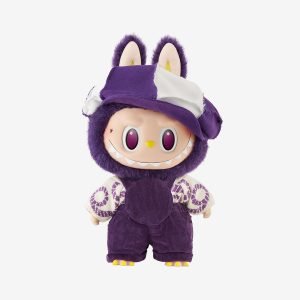
Labubu has become a recognizable character in contemporary pop culture and collectible fashion. Its playful appearance, expressive details, and creative designs have attracted collectors and style lovers worldwide. Labubu products often combine cute aesthetics with artistic storytelling, making them popular beyond traditional toys. The growing interest in Labubu also reflects a wider trend where fashion, collectibles, art, and social media culture overlap. This modern movement shows how unique visual identities can influence accessories, outfits, lifestyle products, and youth-oriented fashion communities.
The Rise of Parisian Fashion
Paris has long been associated with sophistication and creativity. French designers helped establish fashion as an art form rather than simply a way to make clothing. Parisian fashion often combines classic silhouettes with fresh ideas. This balance allows designers to create pieces that feel modern while still respecting traditional craftsmanship.
French fashion is also known for its effortless appearance. Neutral colors, clean cuts, structured jackets, simple dresses, and quality fabrics often create an elegant look without excessive decoration. This approach has influenced wardrobes far beyond France.
Famous French Designers and Their Legacy
Several French designers have transformed the fashion industry. Coco Chanel introduced ideas that changed women’s clothing and popularized a more practical approach to luxury. Her designs helped make simplicity, comfort, and elegance important parts of modern fashion.
Christian Dior also had a lasting impact. His postwar designs emphasized feminine shapes and refined construction. The influence of Dior continues through modern collections, couture, fragrances, and accessories.
Yves Saint Laurent pushed fashion in another direction. He helped make traditionally masculine pieces, such as tailored jackets and tuxedo-inspired clothing, part of women’s fashion. His work demonstrated how clothing could challenge expectations while remaining sophisticated.
Other influential designers, including Jean Paul Gaultier and Hubert de Givenchy, also contributed distinctive ideas. Their creativity helped demonstrate that French fashion could be elegant, experimental, dramatic, and culturally relevant at the same time.
French Designers and Luxury Fashion
Luxury fashion is one of the strongest areas where French designers have made their mark. French luxury houses often emphasize detailed construction, premium materials, careful finishing, and strong brand identity. These qualities create products that can remain desirable for many years.
French designers also understand the importance of storytelling. A fashion collection is often built around a theme, historical reference, artistic concept, or cultural idea. This storytelling gives clothing a deeper identity and helps consumers connect with a brand.
The Impact of French Street Style
French influence is not limited to haute couture. Street style has become another important part of modern French fashion. Parisian outfits often combine casual and polished pieces. A simple sweater may be paired with tailored trousers, while sneakers can be worn with a structured coat.
This relaxed approach has influenced fashion lovers worldwide. People increasingly want clothing that looks stylish while remaining practical. French street style demonstrates that comfort and elegance can work together.
French Fashion and Minimalism
Minimalism is another important contribution of French designers. Instead of relying on excessive patterns or decorations, many French-inspired looks focus on proportion, fabric, color, and silhouette.
Black, white, beige, navy, gray, and muted tones are frequently associated with classic Parisian dressing. These colors are easy to combine and can create versatile wardrobes. Minimalist fashion also encourages consumers to invest in pieces that can be worn in different ways.
How French Designers Influence Modern Trends
Today’s fashion industry moves quickly, but French design continues to provide inspiration. Designers around the world borrow ideas from Parisian tailoring, French minimalism, vintage couture, and modern streetwear.
Social media has also increased access to French fashion. People can now discover runway collections, styling ideas, and Paris street-style photographs almost instantly. This global exposure allows French design concepts to spread quickly across different cultures.
The influence can also be seen in contemporary collaborations. Fashion brands increasingly work with artists, designers, and pop-culture figures to create limited collections. This combination of fashion and creative culture reflects the innovative spirit that has long been associated with French design.
French Design and Sustainable Fashion
Sustainability is becoming increasingly important in the fashion industry. French designers and fashion houses are responding by exploring responsible materials, improved production methods, and longer-lasting designs.
Classic French fashion naturally supports some principles of sustainable dressing. Investing in versatile, durable pieces can reduce the need for constant replacement. Timeless designs can also remain useful as trends change.
Consumers are becoming more interested in understanding how clothing is produced. As a result, craftsmanship, quality, and responsible design are becoming valuable qualities in modern fashion.
Why French Designers Remain Influential
The influence of French designers comes Labubu Keychain from their ability to balance tradition and innovation. They respect established techniques while continuing to experiment with shapes, materials, cultural references, and styling.
French fashion also encourages individuality. Instead of following every trend, Parisian-inspired dressing often focuses on developing a personal style. This philosophy remains appealing to modern consumers who want clothing that reflects their personality.
Conclusion
The influence of French designers reaches far beyond Paris. Their ideas have shaped luxury fashion, street style, tailoring, minimalism, accessories, and contemporary design. From Chanel and Dior to Saint Laurent and newer creative voices, French designers have continuously introduced ideas that changed the way people understand clothing.
At the same time, modern trends such as Labubu collectibles show how fashion increasingly connects with art, entertainment, and popular culture. French design remains influential because it combines creativity, craftsmanship, elegance, and individuality. As fashion continues to evolve, these principles are likely to inspire designers and consumers around the world.


