 WhatsApp Us Now
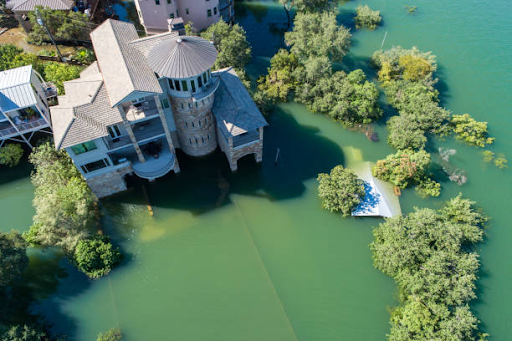
Flood insurance has become a must-have over the last few years due to global warming and the irregular weather patterns that have changed the mindset of homeowners toward safeguarding their property. Flooding is one of the most frequent and expensive natural disasters, and a proper insurance plan has become a necessity rather than an option for many families. The flood insurance market is not only experiencing a significant increase in demand, but it is also going through a period of transformation. New technologies, different regulations, and changing consumer expectations are all factors that affect the operational processes of flood insurance companies Florida residents rely on. Homeowners need to stay current with these changes if they are to make the right decisions regarding the protection of their homes and financial future.
The future of flood insurance is more about accommodating new situations than just writing policies. Providers are looking into creative ways to make insurance coverage more available, reliable, and quick to respond in the face of the risks that homeowners of today and tomorrow will face. By keeping up with these developments, homeowners can stay one step ahead of the market and select the coverage that is truly best for them.
Changing Risk Assessment Models
Before, the premium for flood insurance was decided based on the general geographical data of an area with no consideration of the particularities of the individual properties. This arrangement implied that some homeowners were overpaying while others were underinsured for the actual risks they faced. The future is increasingly leaning to the use of risk assessment models that are more accurate and that rely on big-data analytics.
Autonomic intelligence, secretive photos, supported-simulations, prediction of rain, and extremes are some of the many technologies that are being used to have better results of what is going on outside the house and the relevant infrastructure conditions. Transition from traditional groupings to singular assessments will allow the insurance coverage to be more suitable for the specific situation of every homeowner. If some rates of insurance were to go up because of this, still, this change would mean that pricing is more fair and the protection is better for those who were formerly misclassified.
Technology's Role in Enhancing Accuracy
Technology is the main factor in the major changes witnessed throughout the insurance market, and the changes in flood insurance are no exception. The use of drones for surveying flood-prone areas, weather prediction technologies, and real-time monitoring systems is giving insurers a great advantage in better preparing for and responding to a flooding event.
What this signifies for homeowners is that the companies providing the insurance will be using technology more and more not only for risk assessment but also in their proactive advisory role. One could imagine receiving from the company the warnings of the coming floods along with the ways to lessen the damage. In this manner, the losses will be minimal for insurers and families will be able to protect their homes before the disaster occurs. Eventually, the employment of technology in day-to-day insurance activities will be one of the major factors defining the industry.
Greater Emphasis on Climate Adaptation
As changes in climate continue to affect the intensity of rainfall and the patterns of coastal flooding, flood insurance providers are adjusting their strategies. These companies are now more inclined to place more emphasis on future climate scenarios rather than on historical flood data. By doing so, they ensure that the policies adhered to are the ones that address the reality of rising flood risks rather than relying on outdated assumptions.
For the home owners, this trend signals the need of recognizing the impacts that the climate changes would have on their property. Insurers will most likely advise their clients to implement the necessary measures leading to climate adaption such as installing an efficient drainage system, elevating the house if it is located in an area prone to flooding and using building materials that are resistant to water. The insurance companies might even offer a discount to the consumers who decide to take a proactive stance. In this way, by integrating with climate change the insurance companies will sort of kill two birds with one stone that is they will guarantee the survival of their business models and also provide the security of the homeowners.
Customization of Flood Insurance Policies
Those days are long gone when people were saddled with one-fits-all policies. Personalized services are what homeowners expect today, and the provision of such services by flood insurance providers is becoming a significant trend. Instead of standardized policies, companies are coming up with more diverse offers that have some features in common while other features differ to suit the particular needs of the policyholders, thus providing protection that fits their unique needs.
Some might even want the protection and the structure of the house to be insured while at the same time keeping the personal belongings out but others might just consider it essential to have the rest utmostly insured. Furthermore, insurance can be suitable for the requirements of homeowners who have leased parts of their properties, residents of the regions that are under high risk, or owners of vacation houses. This growing tendency towards adaptability enables homeowners to pick the plans that not only financially suit them but also their house, i.e., make the flood insurance accessible and relevant to more people of varying levels and ranges.
Integration of Digital Platforms
The method by which homeowners are dealing with the insurance providers is equally evolving. Instead of the long paper applications and phone calls, digital platforms are taking over. The whole process from initial quotes to claims is moving online.
For the homeowners, the revelations are much quicker, and the interactions with the providers are more comfortable. Today, mobile apps and online portals have made the lives of the policyholders much easier enabling them to access their claims, review coverage, and even upload photos of damage straight from their phones. As the digital experience gets effortless, the homeowners will find it less tiresome to handle their insurance especially in times of emergencies, where speed and clarity are pivotal. The trend promises even more automation in the future with the instances when the simplest claim cases will be instantaneously approved becoming more prevalent.
Expanding Access to Coverage
In the past, flood insurance was still considered as a costly and hard-to-get product, especially for households living outside the designated high-risk areas. However, the trend is changing, and with the providers' innovations and increase in competition, there is a move toward opening access more widely.
The world is witnessing the emergence of microinsurance, community-based coverage, and affordable premium structures. All these methods are propelling flood insurance access to households that were not conversant with it. For the home owners, it means they will be able to obtain insurance of their liking that matches their budgets all the while being sure that they are protected against the unexpected.
A Shift Toward Preventive Partnerships
In the past, unavoidable roles of insurance providers did not include preventive except for the aftermath of the catastrophe when financial compensations were available. Nevertheless, the changes seem to be pointing towards a model where providers are not just financial responders but preventive partners instead.
Providers are gradually becoming more engrossed in the role of working hand in hand with the homeowners in risk minimization before the risks turn costly. This does not only involve advice on fortification against floods but also monetary discounts offered for the installation of protective measures and even sharing of live data on the possible risks. The change that the homeowners are sensing towards collaboration with the insurers as fellow would-be preventers and not mere reactors is the point that this transition emphasizes in the relationship. Both parties gain when working together; the homeowners' risk exposure is lowered while the insurers' losses are limited.
The Influence of Regulation and Policy
The regulatory landscape plays a vital role in shaping the future of flood insurance. Governments and oversight bodies are increasingly emphasizing transparency, fairness, and accessibility. As new regulations are introduced, providers must adjust their policies and practices to comply.
For homeowners, these regulatory shifts can bring both opportunities and challenges. On one hand, regulations often ensure fairer pricing and better consumer protections. On the other hand, stricter rules may sometimes result in higher premiums for those in very high-risk areas. Staying informed about policy changes will be essential for homeowners seeking the best possible coverage.
Education and Awareness for Homeowners
As the flood insurance industry evolves, homeowners are expected to play a more active role in understanding their risks and options. Providers are investing more in educational campaigns, interactive tools, and resources that help homeowners make informed decisions.
Future policies will likely place greater emphasis on transparency, ensuring that policyholders clearly understand what is covered and what is not. This emphasis on education not only benefits homeowners but also strengthens trust between insurers and their customers. With better awareness, homeowners can take meaningful steps toward risk management while selecting coverage that suits their circumstances.
The Road Ahead for Flood Insurance Providers
The future of flood insurance providers is deeply intertwined with the realities of climate change, technology, and evolving consumer expectations. For homeowners, this means the insurance landscape is becoming more dynamic, personalized, and responsive. While challenges remain—such as affordability and equitable access—the overall trajectory points toward a more sustainable and forward-looking system.
The transformation of flood insurance is about more than just adjusting premiums; it’s about creating an ecosystem that actively reduces risks and supports homeowners in safeguarding their most valuable asset—their home.
Conclusion
The future of flood insurance providers is one of innovation, adaptation, and partnership. As weather patterns grow more unpredictable, the demand for effective and fair coverage will only continue to rise. For homeowners, staying informed about these trends is essential for making decisions that not only protect property but also provide peace of mind. From personalized policies and advanced risk modeling to digital convenience and preventive partnerships, the industry is shifting in ways that place homeowners at the center. By embracing these changes, homeowners can ensure they remain protected against the uncertainties of tomorrow. Exploring options and comparing Florida flood insurance quotes will be a key part of this process. Flood insurance will no longer be just a safety net—it will be an integral part of a proactive strategy to live securely in a world where climate and risk are constantly evolving.



