 WhatsApp Us Now
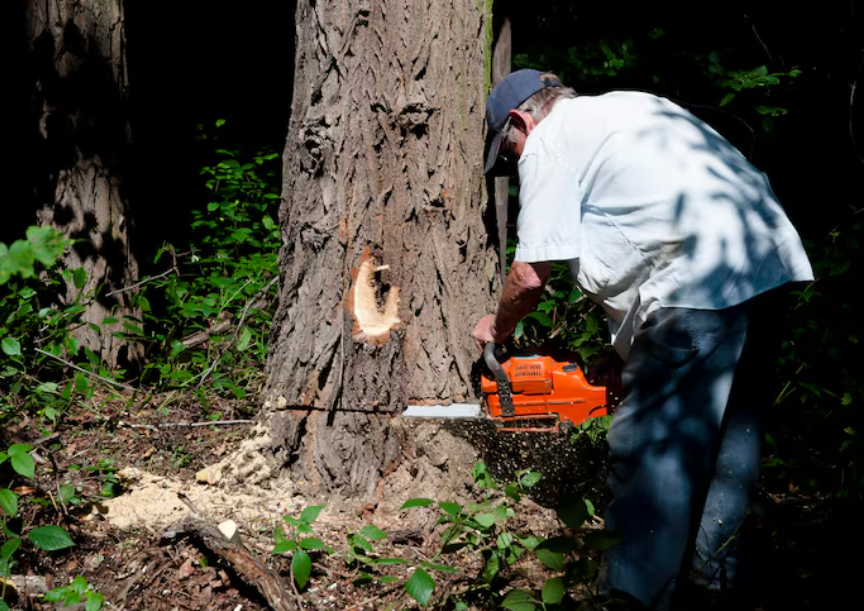
Tree removal in Spring Hill, AL is sometimes unavoidable. A tree in structural decline, one positioned too close to a structure, or one that has been killed by disease or storm damage eventually reaches a point where removal is the right call. What happens during and after that removal has environmental implications that are worth thinking through.
Responsible tree removal is not just about safety and property protection. It is also about how the work is done, what happens to the material, and how the site recovers after the tree is gone.
Why the Removal Method Matters Environmentally
How a tree is brought down affects more than just the property it stands on. The method of removal determines how much soil disturbance occurs, how surrounding vegetation is affected, and if the root zone of nearby trees is damaged during the process.
Heavy equipment driven repeatedly over the same path through a yard compacts the soil in ways that reduce oxygen availability to nearby tree roots. Compaction is one of the more significant secondary impacts of tree removal that property owners do not always anticipate. A crew that plans equipment access routes thoughtfully and uses ground protection measures reduces that impact considerably.
The Root Zone Consideration
Every tree has a root zone that extends well beyond the canopy drip line. When a large tree is being removed from a Spring Hill yard, the root systems of nearby trees may be present in the work area. Equipment moving over those roots, sections of cut wood landing repeatedly in the same spot, and soil disturbance from stump work can all create stress for surrounding trees.
Responsible removal involves identifying those zones before the job starts and working with awareness of them throughout the process. The goal is to remove the target tree without creating collateral decline in the trees that remain.
The Carbon Question
Trees store carbon in their wood fiber over decades of growth. When a tree is removed, what happens to that wood determines what happens to the stored carbon.
Wood that is burned releases carbon relatively quickly. Wood that is processed into lumber or used in long-lasting applications stores carbon for the life of that product. Wood that is left to decompose naturally releases carbon slowly over years or decades, with some portion incorporated into the soil as organic matter.
For homeowners who think about the environmental side of tree removal in Spring Hill, AL, the disposition of the wood after removal is a relevant consideration. Working with a tree service that offers options for the wood material, including leaving rounds for firewood, chipping brush for mulch, or coordinating donation to wood salvage operations, allows the homeowner to choose a path that aligns with their priorities.
Soil Recovery After Removal
The area where a tree stood goes through a transition period after removal. The root system begins to decay, which can create settling in the soil over time. The canopy that once shaded the area is gone, which changes the light and moisture conditions at ground level.
Supporting soil recovery in the area starts with how the stump is handled. Stump grinding to below grade and then filling the hole with quality topsoil rather than leaving it entirely as grinding chips gives the soil a better foundation for recovery. The grinding chips are high in carbon and low in nutrients on their own, and filling entirely with chip material creates a slow-composting condition rather than a ready-to-plant soil environment.
What Happens to the Wildlife Habitat
Mature trees in Spring Hill support more than the property they stand on. Birds, insects, and small mammals use tree canopy for nesting, foraging, and shelter. The removal of a large tree reduces the habitat available to those populations, which is a real ecological impact even if it is a small-scale one at the individual property level.
This is not an argument against removing trees that need to come down. It is an argument for planting replacement trees where the site allows it. A new tree planted in the year following a removal begins to rebuild the habitat function over time. Species selection matters here. Native species like water oaks, live oaks, and longleaf pines support more local wildlife than non-native ornamentals.
Jay Eubanks Tree Service works with property owners in Spring Hill on the full picture of a removal project, including discussion of site conditions for replacement planting where the homeowner is interested. Knowing what a site can support after a large tree comes down is part of the conversation that responsible removal includes.
Avoiding Unnecessary Removals
The most environmentally responsible approach to tree removal is removing trees that genuinely need to come down and not removing trees that can be preserved with the right care.
Trees are sometimes removed because a homeowner is uncertain about their condition, because a general landscaping crew recommended it without a proper assessment, or because removal seemed easier than addressing a structural concern through pruning or cabling. Each of those situations is one where a professional assessment by an ISA Certified Arborist might identify a preservation path that the removal forecloses.
Getting an assessment before committing to removal is the step that keeps trees in the ground that belong there. For tree removal in Spring Hill, AL, that assessment is available through professional arborist services that understand both the biological side and the property protection side of the decision.


