 WhatsApp Us Now
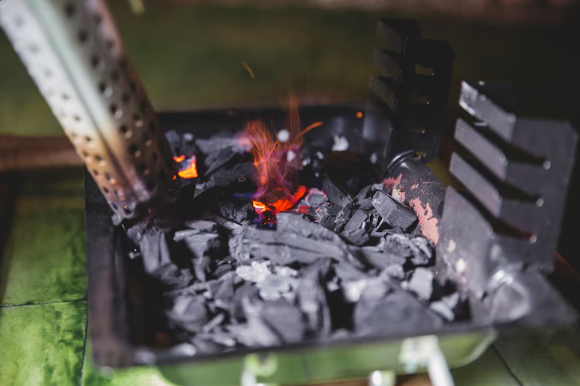
When it comes to heating your home efficiently and cleanly, smokeless coal has become one of the most reliable and eco-friendly fuels available. Whether you use it for open fires, multi-fuel stoves, or boilers, smokeless coal offers a powerful heat output with minimal environmental impact. In this comprehensive guide, we’ll explore everything you need to know about smokeless coal — including its types, uses, advantages, and how it compares to traditional coal.
What Is Smokeless Coal?
Smokeless coal is a type of solid fuel that burns with little to no visible smoke. It’s engineered to produce high heat while emitting fewer pollutants than traditional coal. This makes it a popular choice for both residential and commercial heating purposes, especially in smoke control areas where burning conventional coal is restricted by law.
Smokeless coal is typically made from anthracite, a hard natural coal rich in carbon, or from manufactured ovoids (compressed fuel briquettes made from a mix of natural coal, molasses, and binding agents). Both forms are designed to burn cleanly, efficiently, and for long periods.
Why Is Smokeless Coal Becoming So Popular?
The rise in popularity of smokeless coal is due to several key factors:
- Environmental awareness – People are increasingly looking for cleaner fuels that reduce carbon emissions.
- Government regulations – Many urban areas in the UK, Ireland, and other countries enforce smoke control laws.
- Improved efficiency – Smokeless fuels produce more heat per kilogram compared to traditional coal.
- Ease of use – Smokeless coals are easier to store, light, and maintain.
By choosing smokeless coal, homeowners can enjoy the cozy warmth of a real fire without the environmental drawbacks associated with old-style coals.
How Is Smokeless Coal Made?
Smokeless coal can either be natural or manufactured:
- Natural Smokeless Coal: This type is derived from anthracite, which contains up to 90% carbon. It naturally burns cleanly, producing little smoke and high heat.
- Manufactured Smokeless Coal: Created by compressing various ingredients such as fine coal dust, binding agents (like molasses), and sometimes renewable materials. These are then shaped into oval or egg-shaped briquettes and baked at high temperatures.
This process ensures uniformity in size and performance — meaning each briquette burns consistently, giving you predictable heat and burn times.
Types of Smokeless Coal
There are several types of smokeless coal available, each tailored for specific heating needs. Here are the most common varieties:
1. Anthracite
- Description: A naturally occurring hard coal with the highest carbon content (about 90%+).
- Heat Output: Extremely high.
- Burning Characteristics: Long-lasting, clean, and steady.
- Best For: Closed appliances like multi-fuel stoves, boilers, and gravity-fed systems.
- Key Advantage: Burns without smoke and leaves very little ash.
2. Homefire Ovals
- Description: A manufactured smokeless coal designed for open fires and stoves.
- Heat Output: Around 30% higher than traditional house coal.
- Burning Characteristics: Long-lasting flame and consistent heat.
- Best For: Open fires and glass-fronted stoves.
- Key Advantage: Easy to light, low ash content, and minimal maintenance.
3. Ecoal 50
- Description: A modern, eco-friendly smokeless fuel made from 50% renewable materials.
- Heat Output: Very efficient and long-lasting.
- Burning Characteristics: Burns steadily and cleanly with a natural flame.
- Best For: Multi-fuel stoves and open fires.
- Key Advantage: Carbon-neutral credentials and reduced environmental footprint.
4. Phurnacite
- Description: A dense, manufactured smokeless fuel often used for boilers.
- Heat Output: One of the highest among smokeless fuels.
- Burning Characteristics: Slow, consistent burn for up to 16 hours.
- Best For: Cookers, room heaters, and central heating boilers.
- Key Advantage: Excellent heat retention and low waste.
5. Taybrite
- Description: A versatile smokeless coal suitable for both stoves and open fires.
- Heat Output: Medium to high.
- Burning Characteristics: Steady flame, easy to control.
- Best For: Multi-fuel appliances.
- Key Advantage: Reliable and efficient for mixed-use households.
Uses of Smokeless Coal
Smokeless coal is remarkably versatile and suitable for various heating applications. Below are the main uses:
1. Open Fires
Smokeless coal burns cleanly in open fires, giving off a beautiful, warm glow without releasing clouds of black smoke. It’s ideal for homes where aesthetics and atmosphere matter.
2. Multi-Fuel Stoves
Multi-fuel stoves are designed to handle both wood and smokeless coal. Because smokeless coal burns longer than wood, it’s a great option for overnight heating.
3. Boilers
For those using solid fuel boilers, smokeless coal ensures a constant heat output that can efficiently power radiators and hot water systems.
4. Room Heaters
Smokeless fuels provide steady, long-lasting heat that can keep rooms warm for hours, reducing the need for frequent refueling.
5. Commercial Use
Restaurants, hotels, and industrial facilities sometimes use smokeless coal for cooking and heating because of its high heat and low emissions.
Advantages of Smokeless Coal
Switching to smokeless coal comes with numerous benefits — for your home, health, and the environment.
1. Cleaner Burning
Smokeless coal emits up to 80% less smoke and 40% less carbon dioxide compared to traditional coal. This helps reduce air pollution and maintain cleaner air quality.
2. Longer Burn Time
Because it’s denser and higher in carbon, smokeless coal burns longer than traditional fuels. Many premium products can last up to 8–12 hours per load.
3. High Heat Output
Despite burning cleaner, smokeless coal doesn’t compromise on heat. It delivers intense warmth ideal for heating large spaces efficiently.
4. Less Ash and Residue
Smokeless fuels leave behind minimal ash, which means less cleaning and maintenance for you.
5. Cost-Effective
Although the upfront cost might be slightly higher than regular coal, the extended burn time and better efficiency make smokeless coal more economical in the long run.
6. Environmentally Friendly
With reduced carbon emissions and cleaner combustion, smokeless coal is a much greener choice. Some varieties, like Ecoal, are partially made from renewable materials, further enhancing sustainability.
7. Legal in Smoke Control Areas
In many urban areas, burning traditional coal is banned. Smokeless coal, however, is fully compliant with DEFRA regulations and safe to use anywhere in the UK and similar regions with smoke control laws.
How Does Smokeless Coal Compare to Other Fuels?
| Fuel Type | Heat Output | Burn Time | Smoke Emission | Cost Efficiency | Suitability |
|---|---|---|---|---|---|
| Traditional Coal | High | Medium | High | Low (due to waste) | Restricted areas |
| Smokeless Coal | Very High | Long | Very Low | High | All areas |
| Firewood | Medium | Short | Moderate | Moderate | All areas |
| Gas | High | Continuous | Low | High | Indoor systems only |
Smokeless coal stands out for its balance between performance, cost, and environmental benefits, making it ideal for modern heating solutions.
Tips for Using Smokeless Coal Efficiently
To get the most out of your smokeless coal, follow these simple tips:
- Store Properly – Keep it in a dry, ventilated place to prevent moisture absorption.
- Use Quality Firelighters – Choose eco-friendly firelighters to make ignition quicker and cleaner.
- Maintain Airflow – Ensure adequate ventilation in your stove or fire for complete combustion.
- Mix with Wood (Optional) – Some users mix smokeless coal with hardwood logs for aesthetic flames and longer heat.
- Regular Cleaning – Remove ash and soot buildup to keep your stove or fireplace burning efficiently.
Environmental Impact of Smokeless Coal
Although smokeless coal is still a carbon-based fuel, it offers significant environmental advantages over traditional coal. The reduced smoke emissions mean fewer particulates and lower greenhouse gases released into the atmosphere. Moreover, the introduction of eco-blends (made partially from renewable materials) makes smokeless coal an increasingly sustainable option.
For eco-conscious homeowners, choosing DEFRA-approved smokeless fuels is a responsible step toward cleaner energy use.
Choosing the Right Smokeless Coal for Your Needs
When selecting smokeless coal, consider:
- Your appliance type (stove, open fire, boiler)
- Desired burn time
- Ease of lighting
- Environmental preferences
If you’re unsure, anthracite or Homefire Ovals are excellent all-round options suitable for most household heating systems.
Common Questions About Smokeless Coal
1. Is smokeless coal safe to use indoors?
Yes. When used in a properly ventilated stove or fireplace, smokeless coal is completely safe and compliant with smoke control regulations.
2. Can I mix smokeless coal with wood?
Absolutely. Mixing the two can create a visually appealing flame and help the wood burn longer.
3. Does smokeless coal produce carbon monoxide?
Like all solid fuels, it can produce carbon monoxide if not burned correctly. Always ensure proper ventilation and use a carbon monoxide detector for safety.
4. Is smokeless coal worth the cost?
Yes — its long burn time and higher heat output make it more economical than traditional fuels over time.
Final Thoughts
Smokeless coal offers a perfect balance of efficiency, cleanliness, and affordability. With its ability to produce high heat with minimal smoke and ash, it’s ideal for homeowners looking to enjoy the comfort of a real fire without harming the environment.
Whether you’re heating your home with a multi-fuel stove, open fire, or boiler, smokeless coal is a dependable and sustainable choice that meets both modern comfort and environmental standards.
So next time you’re restocking your fuel supply, consider switching to smokeless coal — your home, your wallet, and the planet will thank you.


