 WhatsApp Us Now
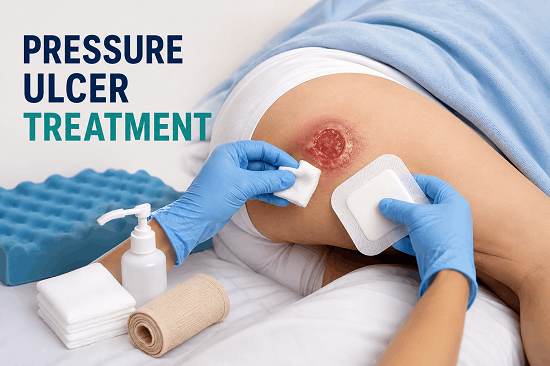
The Best Dressings and Devices for Pressure Ulcer Treatment
Pressure ulcers, also known as bedsores or pressure injuries, develop when sustained pressure on the skin cuts off blood flow to the area, causing tissue damage. They’re most common in individuals with limited mobility, such as bedridden patients, wheelchair users, and those recovering from surgery or illness. While prevention is always the goal, effective pressure ulcer treatment often comes down to two things: choosing the right dressing for the wound stage, and using supportive devices that relieve pressure and promote healing.
At Mel Health Tech, we work with patients, caregivers, and providers to help navigate wound care decisions with confidence. This guide breaks down the dressings and devices most commonly used in pressure ulcer treatment today, along with how to think about choosing the right ones.
Understanding Pressure Ulcer Stages First
Before selecting a dressing or device, it’s important to understand what stage the wound is in, since treatment approaches vary significantly:
- Stage 1 — Skin is intact but shows redness that doesn’t fade with pressure release.
- Stage 2 — Partial-thickness skin loss, often appearing as a shallow open wound or blister.
- Stage 3 — Full-thickness tissue loss, with damage extending into the fat layer.
- Stage 4 — Full-thickness tissue loss with exposed muscle, bone, or tendon.
- Unstageable — Wound base is covered by dead tissue, making the depth impossible to determine.
A healthcare provider or wound care specialist should always confirm the stage before treatment begins, since using the wrong dressing type can slow healing or worsen the wound.
Best Dressing Types for Pressure Ulcer Treatment
1. Hydrocolloid Dressings
These dressings form a gel-like barrier over the wound, keeping it moist while protecting it from bacteria and friction. They work well for shallow, stage 1 and 2 ulcers with low to moderate drainage and can typically stay in place for several days, reducing how often dressings need to be changed.
2. Foam Dressings
Foam dressings are highly absorbent, making them a good choice for wounds with moderate to heavy drainage. They also provide cushioning, which helps protect the area from further pressure or friction, a useful feature for patients who remain in bed or a wheelchair for extended periods.
3. Alginate Dressings
Made from seaweed-derived fibers, alginate dressings are especially effective for deeper wounds (stage 3 and 4) with significant drainage. They absorb excess fluid and form a gel that supports a moist healing environment, which is important since consistently moist (not wet) wounds tend to heal faster than dry ones.
4. Hydrogel Dressings
Hydrogel dressings add moisture to dry wounds, making them useful for ulcers with minimal drainage or those with some dead tissue that needs to soften for easier removal (a process called autolytic debridement).
5. Antimicrobial Dressings
For wounds showing signs of infection or at high risk of infection, dressings infused with silver or other antimicrobial agents help reduce bacterial load while the wound heals. These are often used alongside other treatments rather than as a standalone solution.
6. Transparent Film Dressings
These thin, clear dressings are typically used for stage 1 ulcers or as a secondary covering over other dressings. They allow providers to monitor the wound without removing the dressing, while still offering a protective barrier.
Devices That Support Pressure Ulcer Treatment
Dressings address the wound itself, but devices play an equally important role in relieving the pressure that caused the ulcer in the first place and preventing new ones from forming.
1. Pressure-Redistributing Mattresses
Specialized mattresses, including alternating pressure and low-air-loss models, help redistribute body weight and reduce prolonged pressure on vulnerable areas like the heels, tailbone, and hips. These are often recommended for patients who are bedridden for extended periods.
2. Cushions and Seating Support
For wheelchair users, pressure-relieving cushions (such as gel, foam, or air-filled options) help minimize pressure buildup during long periods of sitting, which is one of the most common causes of pressure ulcers in this population.
3. Negative Pressure Wound Therapy (NPWT)
For more advanced pressure ulcers, NPWT devices apply gentle, controlled suction to the wound, which helps remove excess fluid, reduce swelling, and encourage the growth of new tissue. This is typically used for stage 3 and 4 wounds under the guidance of a wound care specialist.
4. Repositioning Aids
Devices like positioning wedges, heel protectors, and turning sheets make it easier for caregivers to reposition patients regularly, a critical step in relieving sustained pressure and preventing ulcers from worsening or recurring.
5. Wound Monitoring Tools
Digital imaging and measurement tools are increasingly used to track a wound’s size, depth, and healing progress over time, helping providers adjust the pressure ulcer treatment plan as needed based on objective data rather than guesswork.
Choosing the Right Combination
There’s no single dressing or device that works for every pressure ulcer. The right combination depends on several factors:
- The stage and depth of the wound
- The amount of drainage present
- Whether infection is present or suspected
- The patient’s mobility level and care setting (home, hospital, or long-term care facility)
- Any underlying conditions, such as diabetes or vascular disease, that may affect healing
Because of this, working with a wound care specialist or provider experienced in pressure ulcer treatment is important for building a plan tailored to the individual, rather than relying on a one-size-fits-all approach.
How Mel Health Tech Can Help
At Mel Health Tech, we help patients, families, and caregivers understand the full range of options available for pressure ulcer treatment, from selecting the right dressing to identifying supportive devices that fit a patient’s specific care setting. Our goal is to make navigating wound care simpler, so healing stays on track.
Frequently Asked Questions
Q: How often should a pressure ulcer dressing be changed?
A: This depends on the dressing type and wound condition. Some dressings, like hydrocolloids, can stay in place for several days, while others with heavy drainage may need daily changes. A provider can recommend the right schedule based on the wound.
Q: Can pressure ulcers heal without special dressings?
A: Minor, stage 1 ulcers may improve with pressure relief and basic protective care, but stage 2 and beyond typically require specific dressings to support proper healing and prevent infection.
Q: What’s the difference between a mattress and a cushion for pressure relief?
A: Pressure-redistributing mattresses are designed for patients who spend extended time lying down, while cushions are designed for wheelchair users or those who sit for long periods. Both work by reducing sustained pressure on vulnerable areas.
Q: How do I know if a pressure ulcer is infected?
A: Signs of infection include increased redness, warmth, swelling, foul odor, or discharge from the wound, along with fever in some cases. Any of these symptoms should be evaluated by a healthcare provider promptly.
Q: Are pressure ulcer treatment devices covered by insurance?
A: Many devices, such as specialized mattresses and cushions, may be covered under Medicare or private insurance with proper documentation. Coverage varies, so it’s best to confirm details with your provider and insurer.
Conclusion
Effective pressure ulcer treatment relies on choosing the right dressing for the wound’s stage and combining it with devices that relieve pressure and support the body’s natural healing process. From hydrocolloid and foam dressings to pressure-redistributing mattresses and NPWT devices, the right combination can make a significant difference in healing time and patient comfort. If you or someone you’re caring for is dealing with a pressure ulcer, consult a wound care specialist to build a treatment plan suited to their specific needs.


