 WhatsApp Us Now

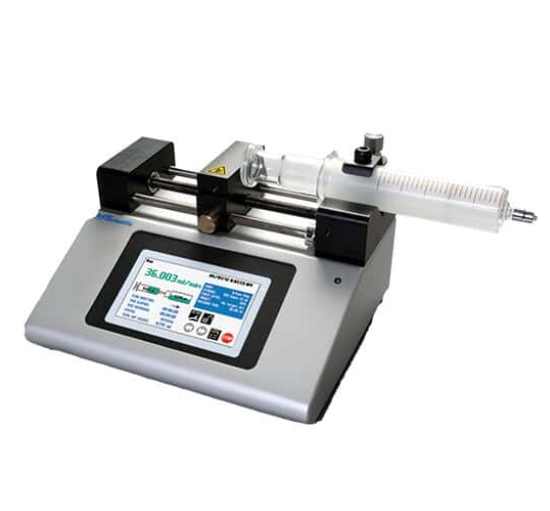
Patients receiving medical care at home may sometimes require medication or fluids to be delivered at a controlled and consistent rate. In such situations, a syringe pump can be an important part of a prescribed home-care setup. Instead of purchasing equipment that may only be required for a limited period, families can consider a Syringe Pump on Rent for temporary medical needs.
A syringe pump is a compact medical device designed to deliver medication or other prescribed fluids through a syringe at a controlled rate. It can be used in hospitals, clinics, palliative care settings, and selected home-care situations under appropriate medical supervision.
What Is a Syringe Pump?
A syringe pump is an electronic infusion device that pushes the plunger of a syringe at a programmed rate. This allows a healthcare professional to control the amount of medication or fluid delivered over a specified period.
The device can be useful when a patient needs precise administration of a prescribed medication, particularly when very small or carefully controlled quantities are involved.
When arranging a Syringe Pump on Rent, the equipment should be selected according to the patient’s prescribed treatment requirements. A qualified healthcare professional should determine whether a syringe pump is appropriate and establish the required settings.
Why Rent a Syringe Pump?
Medical equipment is not always needed permanently. A patient may require controlled medication delivery for a few days, several weeks, or during a specific stage of treatment. Renting can provide access to the required equipment for the duration of the care plan without requiring a permanent purchase.
A Syringe Pump on Rent can be considered for:
- Short-term home healthcare
- Post-hospitalisation care
- Palliative care
- Certain chronic medical conditions
- Controlled medication administration
- Selected recovery situations
- Temporary clinical requirements
The decision to use the device should always be based on professional medical advice.
How Does a Syringe Pump Work?
The syringe containing the prescribed medication or fluid is placed securely into the pump. The device uses a motor-driven mechanism to move the syringe plunger at a programmed rate.
The healthcare professional sets the required parameters according to the treatment plan. The pump then delivers the contents gradually through the connected tubing.
Modern syringe pumps may include alarms and safety features designed to alert users to certain problems, such as occlusion, low battery, or an improperly positioned syringe.
Although the device is designed to simplify controlled delivery, it should not be operated or programmed by an untrained person without appropriate guidance.
Benefits of Using a Syringe Pump on Rent
Precise Delivery
One of the key purposes of a syringe pump is controlled delivery. The device can help healthcare professionals administer prescribed medication at a specific rate.
Suitable for Temporary Requirements
Patients may not need infusion equipment permanently. Renting can be practical when the requirement is limited to a particular period.
Convenient for Home Care
For patients receiving professional home healthcare, a syringe pump can become part of a structured treatment setup when recommended by the medical team.
Professional Support
A reliable rental provider may offer equipment guidance, setup assistance, and technical support. Families should confirm the level of support available before taking the equipment.
Reduced Need for Equipment Ownership
Purchasing specialised medical equipment may not be practical when it is required only temporarily. Rental services provide an alternative way to access the equipment during the required period.
Who May Need a Syringe Pump at Home?
A syringe pump may be used for patients whose treatment requires carefully controlled administration of medication or fluids. It can sometimes be used in palliative care, long-term home healthcare, and other specialised situations.
However, the suitability of a syringe pump depends on the medication, patient’s condition, route of administration, treatment duration, and instructions provided by the medical team.
It is important not to assume that every patient receiving medication at home requires a syringe pump. A doctor or qualified healthcare professional should make that decision.
Syringe Pump for Palliative and Home Care
Palliative care may involve managing symptoms and providing comfort for patients with serious or advanced illnesses. In some situations, healthcare professionals may use a syringe pump to provide prescribed medicines in a controlled manner.
The purpose and settings of the pump depend entirely on the patient’s individual care plan. Trained nurses or other authorised healthcare professionals should manage the equipment according to medical instructions.
For families arranging home-based care, having the appropriate equipment and professional support can help create a more organised care environment.
What to Check Before Renting a Syringe Pump
When selecting a Syringe Pump on Rent, families should pay attention to the condition and reliability of the equipment. Medical devices should be appropriately maintained and checked before being supplied to another patient.
Consider asking the rental provider about:
- Equipment condition and maintenance
- Calibration and safety checks
- Available syringe compatibility
- Battery condition
- Alarm functionality
- Setup and operating instructions
- Technical support
- Replacement arrangements if the device develops a fault
- Rental duration and return process
A provider should clearly explain how the device is intended to be used and who should operate it.
Importance of Proper Training
A syringe pump is a medical device, and incorrect programming or handling can create serious risks. The device should therefore be used under appropriate professional supervision.
Healthcare professionals should verify the syringe, medication, prescribed rate, and other treatment parameters before starting the infusion. Family members should not independently change pump settings unless specifically trained and authorised to do so.
If an alarm sounds or the device appears to malfunction, the appropriate healthcare professional or equipment provider should be contacted.
Syringe Pump Rental for Home Healthcare
Home healthcare can involve several types of medical equipment, depending on the patient’s condition. A hospital bed, oxygen equipment, monitoring devices, suction equipment, infusion equipment, or other specialised devices may be required.
A syringe pump can be incorporated into this setup when prescribed. Coordinating equipment rental with professional nursing care can help ensure that the device is used correctly and monitored appropriately.
The patient’s doctor and home healthcare team should remain involved in decisions concerning medication administration and treatment changes.
Maintaining Safety During Home Use
Safety should remain the priority when using a syringe pump at home. The equipment should be placed on a stable surface and protected from unnecessary damage. Tubing should be positioned carefully to reduce the risk of accidental pulling or disconnection.
The pump should be checked regularly by the responsible healthcare professional. Medication should be verified before administration, and the patient’s condition should be monitored according to the prescribed care plan.
Any unexpected symptoms, medication concerns, or equipment problems should be reported promptly to the relevant healthcare professional.
Why Professional Medical Guidance Matters
Renting a syringe pump provides access to equipment, but the device itself is only one part of safe home treatment. Correct medication, appropriate dosage, suitable infusion rate, professional monitoring, and emergency planning are equally important.
Families should never use a rented syringe pump simply because it is available. Its use should be based on an individual medical assessment and a clear prescription or treatment plan.
Conclusion
A Syringe Pump on Rent can provide convenient access to specialised equipment for patients who require controlled medication or fluid delivery for a temporary period. It can be particularly relevant in selected home healthcare and palliative care situations where precise administration is prescribed by a medical professional.
Before renting, families should verify equipment condition, maintenance, safety features, technical support, and professional setup. Most importantly, syringe pumps should be programmed and operated according to the patient’s treatment plan and under appropriate healthcare supervision.
With the right equipment, professional guidance, and responsible monitoring, a rented syringe pump can form an important part of a structured home-care arrangement when clinically appropriate.


