 WhatsApp Us Now
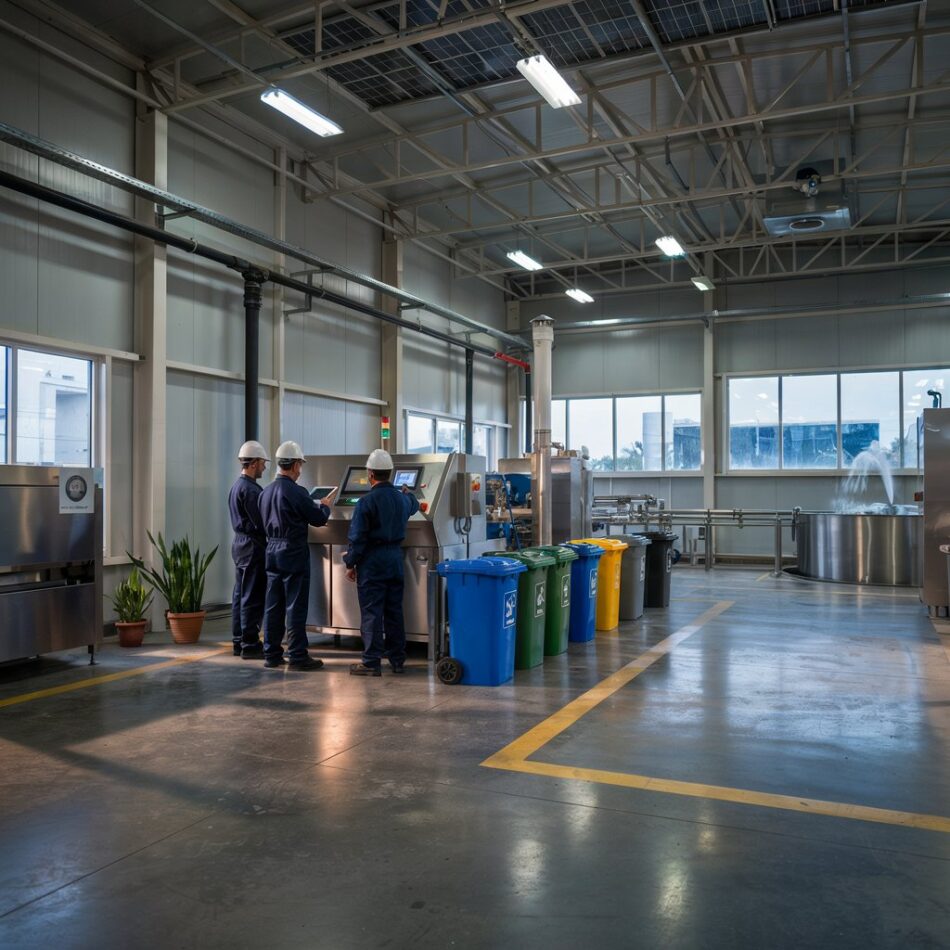
Mexico’s manufacturing sector has become a cornerstone of North American supply chains, attracting continued investment from global companies seeking resilient, efficient, and geographically strategic production partners. The expansion of nearshoring has accelerated demand for Mexican manufacturers across industries such as automotive, aerospace, electronics, medical devices, and industrial equipment. At the same time, sustainability has emerged as a critical factor in supplier evaluation. International buyers increasingly expect manufacturers to demonstrate responsible environmental practices alongside high standards for quality, productivity, and operational reliability.
For foreign OEMs, supply chain managers, and procurement teams, understanding Mexico’s environmental regulations and sustainability measures is essential when evaluating manufacturing partners. Compliance not only helps manufacturers meet legal obligations but also strengthens supply chain resilience, supports long-term business continuity, and aligns operations with evolving global sustainability expectations. As environmental standards continue to develop, companies that understand the regulatory landscape are better positioned to build reliable and future-ready manufacturing partnerships.
The Foundation of Environmental Regulation in Mexico
Mexico has established a broad environmental regulatory framework that balances industrial development with environmental protection. Manufacturing facilities are expected to comply with federal environmental laws while also meeting any relevant state or municipal requirements applicable to their operations.
The country’s primary environmental authority is the Secretariat of Environment and Natural Resources (SEMARNAT), which develops environmental policy, oversees permitting processes, and establishes regulations related to pollution prevention, resource conservation, environmental impact, and sustainable development.
Regulatory compliance is monitored by the Federal Attorney for Environmental Protection (PROFEPA), which conducts inspections, investigates environmental violations, and enforces environmental legislation across industrial sectors.
Water resources are managed by the National Water Commission (CONAGUA). Manufacturers that rely on industrial water usage or discharge wastewater must comply with regulations governing water extraction, treatment, and disposal.
In addition to environmental legislation, manufacturers often comply with Normas Oficiales Mexicanas (NOMs), or Mexican Official Standards. These technical regulations establish environmental requirements covering areas such as air emissions, hazardous waste handling, wastewater management, noise control, and industrial pollutants. The specific standards applicable to a facility depend on its industry and production processes.
Together, these regulatory mechanisms create the foundation for responsible industrial manufacturing throughout Mexico.
Sustainability Measures Reshaping Manufacturing Operations
Environmental compliance today extends well beyond regulatory paperwork. Manufacturers are increasingly integrating sustainability measures into everyday operations as part of broader business strategies.
Energy efficiency remains one of the most common areas of improvement. Facilities are upgrading production equipment, optimizing manufacturing processes, and implementing energy management initiatives that reduce both environmental impact and operational costs.
Water conservation has also become a growing priority, particularly in regions where responsible resource management is increasingly important. Many manufacturers are investing in water recycling systems, improved monitoring technologies, wastewater treatment infrastructure, and more efficient production methods that reduce overall water consumption.
Waste reduction initiatives are equally significant. Rather than focusing exclusively on disposal, manufacturers increasingly seek opportunities to reduce waste generation, improve recycling, recover reusable materials, and safely manage hazardous waste throughout production.
Air quality management continues to receive considerable attention through emissions monitoring, pollution control technologies, preventive equipment maintenance, and cleaner production processes.
Many organizations are also adopting broader sustainability initiatives such as reducing packaging waste, improving supply chain transparency, increasing resource efficiency, and integrating environmental objectives into long-term operational planning.
These measures collectively contribute to more sustainable manufacturing while supporting compliance with both regulatory requirements and customer expectations.
The Growing Influence of International Environmental Standards
Global supply chains increasingly encourage manufacturers to adopt internationally recognized environmental management practices in addition to complying with domestic regulations.
One of the most widely recognized frameworks is International Organization for Standardization’s ISO 14001. The standard provides manufacturers with a structured framework for identifying environmental risks, establishing environmental objectives, monitoring compliance, and driving continual improvement.
Although ISO 14001 certification is voluntary for most manufacturers, many companies adopt the framework because it supports organized environmental management and provides assurance to international customers.
Large multinational OEMs frequently conduct supplier sustainability assessments that evaluate environmental management practices alongside quality systems and production capabilities. These assessments may review environmental documentation, waste management procedures, employee training, water conservation initiatives, energy management programs, and continuous improvement efforts.
Manufacturers with mature environmental management systems often find it easier to respond to customer audits and demonstrate long-term operational stability.
Why Environmental Compliance Matters to Global Supply Chains
Environmental performance has become an important component of supplier qualification for many international manufacturers.
Foreign OEMs increasingly recognize that environmental compliance contributes to supply chain reliability by reducing regulatory risks that could affect production continuity. Manufacturers with well-managed environmental programs are generally better prepared to respond to inspections, regulatory changes, and evolving customer expectations.
Environmental management also reflects broader organizational discipline. Companies that maintain accurate documentation, conduct regular internal reviews, monitor regulatory developments, and implement corrective actions often demonstrate stronger operational controls across other aspects of manufacturing.
As governments and multinational corporations continue expanding sustainability reporting expectations, procurement teams are placing greater emphasis on supplier transparency. Buyers increasingly seek manufacturing partners capable of providing reliable environmental documentation alongside traditional quality records.
Rather than treating sustainability as a separate initiative, many organizations now view environmental compliance as an essential part of overall supply chain resilience.
Best Practices for Manufacturers Seeking Long-Term Compliance
Achieving long-term environmental compliance requires continuous improvement rather than one-time implementation.
Manufacturers can strengthen environmental performance by integrating compliance into daily operational management. This includes maintaining current environmental permits, monitoring applicable regulations, documenting compliance activities, training employees, and conducting regular internal environmental audits.
Practical areas of focus include:
- Monitoring emissions, waste, and water management activities.
- Maintaining complete environmental documentation.
- Reviewing regulatory changes on a regular basis.
- Conducting internal compliance assessments.
- Providing environmental training across operational teams.
- Identifying opportunities for continuous environmental improvement.
Many manufacturers also establish cross-functional environmental teams that coordinate compliance activities across production, maintenance, engineering, quality, and management departments.
Embedding environmental management into standard operating procedures helps organizations adapt more effectively to changing regulations while supporting operational efficiency.
What Procurement Teams Should Consider When Evaluating Suppliers
Environmental compliance should be evaluated alongside quality systems, production capabilities, and financial stability during supplier selection.
Procurement teams benefit from reviewing evidence of structured environmental management rather than relying solely on supplier claims. Environmental permits, documented procedures, employee training programs, waste management systems, emergency preparedness, water management initiatives, and records of internal environmental reviews all provide useful insight into supplier maturity.
It is also valuable to understand how suppliers monitor changing regulations and address identified compliance risks. Manufacturers that demonstrate continuous improvement, organized documentation, and proactive environmental planning often present lower long-term operational risk.
As sustainability continues influencing global sourcing decisions, environmental performance is becoming an increasingly valuable indicator of supplier reliability and business resilience.
Conclusion
Sustainability measures are playing an increasingly important role in Mexico’s manufacturers, shaping how companies manage environmental responsibilities and compete in global supply chains. A strong understanding of environmental regulations, effective compliance systems, and continuous sustainability improvements enables manufacturers to meet evolving customer expectations while supporting long-term operational success. For foreign OEMs and procurement professionals, evaluating environmental performance alongside traditional manufacturing capabilities helps build stronger, more resilient sourcing partnerships. Staying informed about Mexico’s evolving environmental landscape remains an important part of successful supplier selection.


