 WhatsApp Us Now
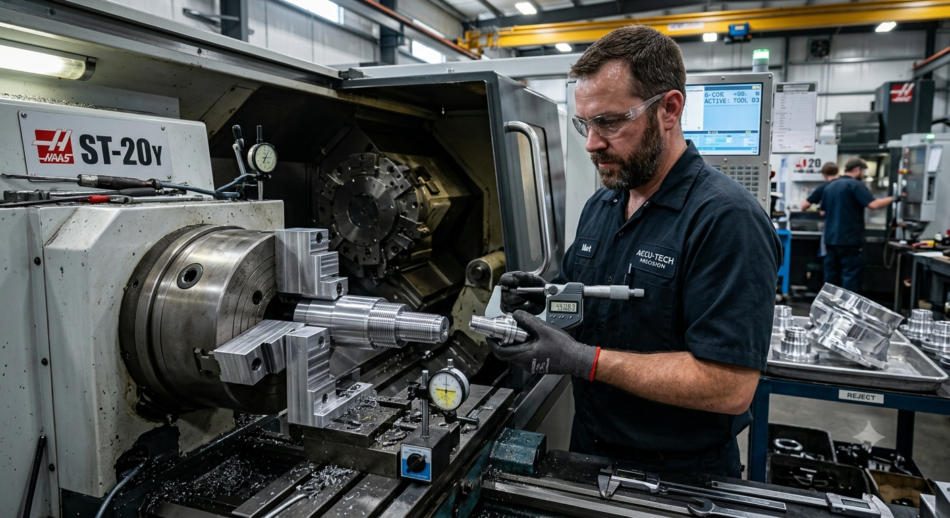
The High Cost of a Bad Grip
Every machinist has experienced it at least once. The machine is running at high speed, the cut looks perfect, and then suddenly the part slips or gets crushed. The sound changes, chips fly, and the workpiece is ruined in seconds.
In industries like aerospace and medical manufacturing, one damaged part can cost hundreds or even thousands of dollars. Add machine downtime, lost production, and extra labor, and the cost becomes even higher.
Many of these problems happen because of incorrect soft jaws setup. The good news is that most errors are preventable. Instead of guessing, you can follow a repeatable process that improves gripping accuracy and reduces scrap.
This guide explains the most common soft jaw machining mistakes and how to fix them.
Choosing the Wrong Material for the Job
Matching Hardness to the Workpiece
One of the biggest mistakes is using the wrong jaw material.
Many shops use aluminum jaws for every job because they are easy to machine. However, aluminum jaws can deform when holding harder steel parts. The pressure from clamping and cutting forces may compress the jaw surface, leading to poor grip and inaccurate machining.
Different materials work better for different applications:
- Aluminum 6061: Good for general-purpose machining and lightweight parts.
- Nylon: Ideal for delicate parts that scratch easily.
- Urethane: Excellent for soft materials and finished surfaces.
- Steel inserts: Better for heavy-duty machining and harder materials.
A manufacturing shop producing thin-walled tubes reduced scrap by 15% simply by changing from standard aluminum jaws to a softer material that distributed pressure more evenly.
Choosing the correct jaw material can make a major difference in part quality.
Material Grain and Stability
Not all aluminum is the same.
Cast aluminum and billet aluminum behave differently during machining.
Cast aluminum is usually more stable and less likely to move during cutting. Billet aluminum often has internal stresses that can affect long-term performance.
Heat is another factor. During high-speed production, temperatures increase, causing materials to expand. If the jaws expand too much, gripping pressure changes and dimensions can move out of tolerance.
Understanding material stability helps create more reliable setups.
Poor Jaw Geometry and Pressure Points
The Danger of Point Loading
Many damaged parts happen because the clamping force is concentrated in a small area.
Flat contact surfaces often create pressure points that leave marks on the workpiece. These pressure points can deform thin parts and reduce accuracy.
Designs such as:
- V-block jaws
- Wrap-around jaws
- Full-contour gripping surfaces
provide better support because they spread the clamping force across a larger area.
A simple rule many experienced machinists follow is:
“If you see a mark, you have too much pressure in one spot.”
Increasing surface contact often reduces both part damage and slippage.
Incorrect Relief and Clearance
Another common mistake is poor relief design.
If the jaws bottom out before properly gripping the part, the setup may appear tight while actually providing very little holding force.
Always make sure:
- Relief areas clear the chuck steps.
- The workpiece sits correctly inside the jaw pocket.
- There is enough clearance to avoid interference.
A properly designed relief ensures the jaws clamp the part securely.
Incorrect Boring and Facing Techniques
The Risk of Over-Tightening During Boring
Many machinists tighten the jaws too much during the boring process.
This creates a spring effect. When the boring ring is removed and the part is loaded, the jaws relax and the bore size changes.
The result is poor accuracy and inconsistent gripping.
A better approach is the two-step boring method:
Step 1: Rough Boring
Remove most of the material while leaving a small amount for finishing.
Step 2: Finish Boring
Take a light finishing cut using the same clamping force that will be used during production.
This method greatly improves repeatability.
Single-point boring often creates greater tolerance variation than precision finishing methods because jaw spring affects final dimensions.
Facing Errors and Parallelism
Soft jaws must be perfectly square to the spindle axis.
Even a small amount of misalignment can create:
- Poor gripping
- Inconsistent dimensions
- Increased runout
A dial indicator is one of the best tools for checking jaw alignment.
If the indicator shows uneven readings, the jaws may be cocked or improperly seated.
Taking a few minutes to verify parallelism can prevent hours of rework later.
Inefficient Clamping Pressure Settings
Crushing Thin-Walled Parts
Applying too much clamping pressure is a common mistake.
Thin-walled components can easily become:
- Distorted
- Crushed
- Out of round
Hydraulic pressure gauges help operators find the correct clamping force.
The goal is to apply enough pressure to prevent movement while avoiding deformation.
Many shops create a pressure chart that lists:
- Part diameter
- Material type
- Recommended pressure settings
This simple document saves time and improves consistency.
The Risk of Ovality
Tubes and cylindrical parts are especially sensitive to excessive pressure.
Over-clamping can create oval shapes that lead to dimensional failures.
Reducing pressure and increasing contact area often solves the problem.
Part Slippage During Heavy Cuts
Even when parts are not damaged, they may still move during machining.
Common signs of movement include:
- Chattering
- Poor surface finish
- Unexpected size variation
- Tool marks
Heavy cuts create large cutting forces that can overcome the gripping pressure of standard soft jaws.
In these situations, adding serrations or teeth to the jaw surface can improve grip.
However, use serrations carefully. They can leave marks on finished surfaces.
Always balance gripping strength with part protection.
Skipping the Verification Step
The “Dry Run” Mentality
Many production problems happen because operators skip basic checks.
Before loading the first part:
- Verify jaw opening with a gauge block.
- Check for chips or debris.
- Confirm jaw dimensions.
- Inspect clamping surfaces.
A tiny chip trapped between the jaw and the part can create major dimensional errors.
A quick dry run often prevents expensive mistakes.
The First-Article Check
Never assume the setup is perfect.
Measure the first part carefully before starting production.
Many experienced machinists even measure the workpiece while it is still clamped in the jaws.
This process helps identify:
- Jaw movement
- Pressure problems
- Setup errors
- Runout issues
One master machinist said:
“The touch-off check takes seconds but saves hours.”
That simple habit can protect both your parts and your profits.
Build a Flawless Setup Routine
The best machining shops do not depend on luck. They depend on repeatable processes.
Daily Soft Jaw Preparation Checklist
✔ Inspect jaws for wear and damage.
✔ Clean all contact surfaces.
✔ Verify boring dimensions.
✔ Check jaw alignment with a dial indicator.
✔ Confirm proper relief and clearance.
✔ Use the correct jaw material.
✔ Set the proper clamping pressure.
✔ Perform a dry run.
✔ Inspect the first article before production.
Following this checklist can dramatically reduce scrap and improve machining consistency.
Final Thoughts
Soft jaw errors may seem small, but they can create expensive problems. Incorrect materials, poor geometry, excessive pressure, and skipped inspections all increase the risk of damaged parts and lost production time.
The relationship between jaw precision and final part quality is direct. Better setups lead to better parts, fewer rejects, and higher profits.
Take time to review your current soft jaw library. Look at your materials, boring methods, pressure settings, and inspection procedures. Small improvements today can prevent major production problems tomorrow.
A reliable soft jaw setup is not just about holding a part. It is about protecting your work, improving accuracy, and building a machining process you can trust every day.


