 WhatsApp Us Now

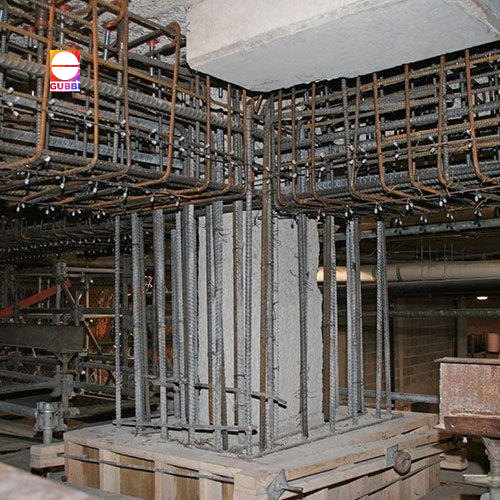
Retrofitting services help existing structures meet changing structural demands without automatically resorting to demolition and complete reconstruction. As buildings age, their original design assumptions may no longer match present loads, usage, environmental exposure, or required performance. Structural retrofitting focuses on improving selected members or systems after understanding their actual condition. Among the widely considered solutions are column jacketing, micro concrete jacketing, and steel jacketing for strengthening existing RCC structures. Structural retrofitting is not simply about adding more material around an old member. The first objective is to understand why the member has become inadequate and what level of strengthening is actually required. Cracking, reinforcement corrosion, concrete deterioration, increased loading, design deficiencies, changes in building use, or long-term exposure can influence the decision. A suitable retrofit strategy should connect the observed problem with a technically appropriate strengthening method.
When Does an Existing Structure Need Retrofitting?
A structure may need retrofitting when its existing members cannot safely or adequately perform under current requirements. Typical concerns include deteriorated concrete, exposed or corroded reinforcement, recurring structural cracks, increased equipment loads, additional floors, changes in occupancy, accidental damage, or inadequate original detailing. Retrofitting can also become relevant when an assessment identifies reduced capacity or when an owner wants to upgrade an older structure before introducing significantly different service conditions.
The decision should begin with structural assessment rather than selecting a jacketing method based only on visible damage. Engineers may review drawings, inspect concrete and reinforcement, study crack patterns, evaluate member dimensions, and understand current and proposed loads. Testing may support the assessment where required. This process helps distinguish superficial deterioration from structural deficiency and determines whether column jacketing, micro concrete jacketing, steel jacketing, or another solution is appropriate.
Understanding Column Jacketing
Column jacketing is a structural strengthening approach in which an existing RCC column receives an additional strengthening layer or external system designed to improve structural performance. The jacket may involve reinforced concrete, micro concrete, steel plates, steel sections, or other engineered materials depending on the design requirement. The purpose is not merely to make the column look larger, but to improve its ability to perform under identified structural demands.
Column jacketing becomes particularly important when existing RCC columns are damaged, under-designed, overloaded, or required to carry increased loads. It can also be considered during rehabilitation where deterioration has reduced member performance. The exact arrangement depends on factors such as column size, reinforcement, available working space, load path, connection details, foundation condition, and required capacity. Proper detailing is essential because the new jacket must work effectively with the existing member.
Micro Concrete Jacketing for Difficult Strengthening Areas
Micro concrete jacketing is useful where strengthening requires a flowable cementitious material to surround existing and additional reinforcement within a confined section. Compared with ordinary concrete placement, micro concrete can be selected where access, reinforcement congestion, or member geometry makes conventional placement difficult. The technique is commonly considered for column strengthening and rehabilitation when existing concrete needs a carefully formed external jacket with controlled placement around the structural member.
A typical micro concrete jacketing arrangement starts with preparing the existing member and removing unsound concrete where required. Reinforcement may then be cleaned, treated, supplemented, and connected according to the strengthening design. Formwork is installed around the prepared member, followed by placement of suitable micro concrete. Attention to surface preparation, reinforcement positioning, formwork tightness, filling, curing, and inspection is important because workmanship directly influences the continuity of the strengthened section.
Micro concrete jacketing can be valuable in industrial and commercial retrofit projects where structural members contain congested reinforcement or where access for conventional concrete placement is restricted. Its flowable nature can help fill properly prepared jacketed sections and reduce concerns associated with difficult placement. However, material selection should never be separated from structural design. Required strength, section geometry, construction sequence, existing condition, and site limitations should guide the final system.
Steel Jacketing for RCC Columns and Structural Members
Steel jacketing is another structural retrofitting method used when an existing RCC member requires strengthening or confinement through externally installed steel components. Depending on the design, steel plates, angles, channels, or fabricated arrangements may be used around the existing member. The system is detailed to transfer forces appropriately and may include connections, anchors, stiffeners, or suitable filling material. It is useful where installation space and construction sequence matter.
One advantage of steel jacketing is the ability to introduce a high-strength external strengthening system without a large increase in concrete volume. This can matter in industrial facilities, equipment areas, and locations where available space is limited. Steel components can also be fabricated to suit specific member dimensions and site conditions. Corrosion protection, connection detailing, access, fire considerations, and maintenance must also be addressed as part of the overall design.
Column Jacketing vs Micro Concrete Jacketing vs Steel Jacketing
The three methods should not be treated as interchangeable solutions. Reinforced concrete jacketing may suit projects requiring a substantial increase in member section and additional reinforcement. Micro concrete jacketing can be considered where flowability and confined placement are important. Steel jacketing may suit situations where external steel strengthening, limited space, or construction constraints influence the solution. The correct choice depends on calculations, existing conditions, access, loading, durability, and execution constraints.
For example, an industrial column carrying increased equipment loading may require strengthening around operating areas and restricted access. A deteriorated column with congested reinforcement may require careful concrete removal, reinforcement treatment, and flowable micro concrete placement. Another member may suit a fabricated steel jacket because the project requires a compact external strengthening system. These examples show why retrofit design should be based on assessment rather than a standard package.
Benefits of Structural Retrofitting Services
The major benefit of structural retrofitting is the ability to improve an existing asset without automatically replacing the entire structure. Strengthening can support continued use, address localized deficiencies, accommodate revised loads, and improve selected members. For owners, this can reduce unnecessary demolition and preserve structural and operational assets. The benefit depends on whether the structure is suitable for strengthening and whether the retrofit is correctly designed and executed.
Retrofitting can also support planned upgrades in industrial and commercial facilities. When machinery, storage arrangements, production requirements, or building functions change, the original structure may need to accommodate different demands. Instead of assuming reconstruction is the only option, assessment can identify members requiring strengthening. Column jacketing, micro concrete jacketing, and steel jacketing may then form part of a broader rehabilitation strategy designed around the facility’s present and future operational requirements.
Planning Retrofitting Around Existing Operations
A good retrofit strategy should consider how strengthening work will affect daily operations. Industrial facilities may have machinery, restricted access, production schedules, electrical services, or safety zones around affected members. Commercial and institutional properties may have occupied areas requiring controlled execution. Planning the sequence, access route, temporary protection, material movement, and work timing can make strengthening more practical while reducing avoidable disruption to the facility.
Importance of Proper Retrofitting Execution
Even a well-designed retrofit can perform poorly if site execution does not follow the intended strengthening details. Surface preparation, removal of loose concrete, reinforcement treatment, anchorage, dimensional control, formwork, material placement, curing, and inspection all matter. Construction teams must understand the sequence and avoid shortcuts that could compromise the connection between existing and new materials. Quality control should continue throughout the work rather than being limited to final visual inspection.
Another important consideration is the load-transfer path. Strengthening one column does not automatically resolve a weakness elsewhere in the structural system. Loads move through columns, beams, slabs, walls, foundations, and connections, so the retrofit should be considered in relation to surrounding members. Where necessary, the strengthening sequence may require temporary support or controlled construction stages. A sound project therefore combines structural assessment, engineering design, method planning, and disciplined execution.
Choosing the Right Retrofitting Contractor
When selecting a contractor for structural retrofitting, project owners should look beyond the availability of jacketing materials. The contractor should understand existing RCC structures, repair practices, site constraints, material application, reinforcement detailing, and coordinated execution. Experience with industrial and infrastructure environments can be valuable where access, production schedules, safety controls, and operational restrictions affect the work. The objective should be a technically appropriate and practical strengthening solution.
For organizations planning rehabilitation, it is useful to discuss the existing condition, proposed loading, operational constraints, and available structural information before finalizing the work scope. Gubbi Civil Engineers Limited can be considered for projects requiring coordinated retrofitting and strengthening solutions, particularly where column jacketing, micro concrete jacketing, or steel jacketing forms part of the rehabilitation requirement. A project-specific approach helps align the selected method with site conditions and intended performance.
Structural retrofitting is most effective when it is treated as an engineering decision rather than a quick repair activity. Column jacketing, micro concrete jacketing, and steel jacketing each offer different ways to address deficiencies in existing RCC members. The right solution depends on assessment, structural demand, material compatibility, access, detailing, construction sequence, and long-term requirements. This approach helps owners focus on strengthening work where it is technically justified. For aging or changing facilities, structural life extension planning can provide a practical framework for deciding when and where strengthening is needed. A well-planned retrofit can help preserve useful structures, accommodate changing demands, and reduce unnecessary disruption associated with full reconstruction. The goal is not to apply one universal technique, but to select the right intervention for each member after understanding its condition, function, loading, and future requirements.


