 WhatsApp Us Now
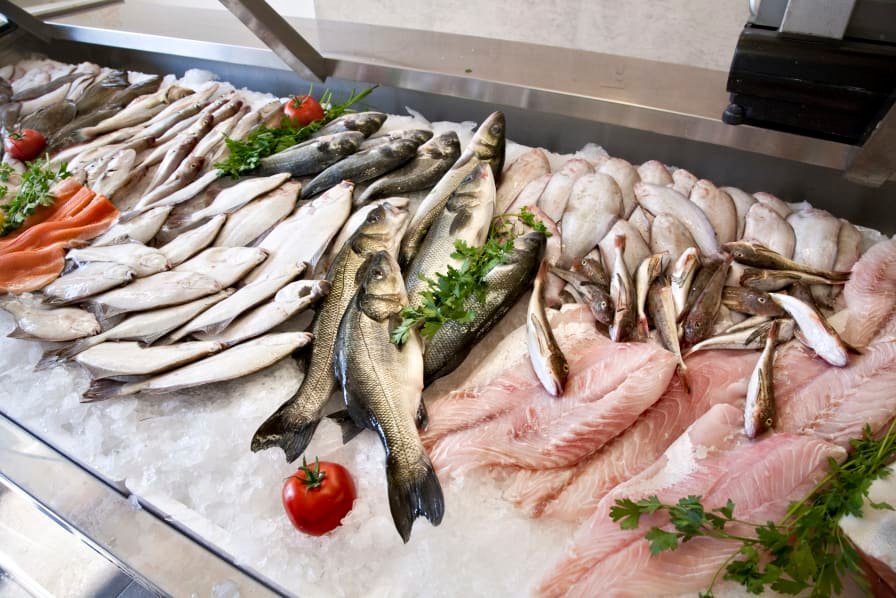
Fresh seafood is one of the most demanding food categories because quality can change quickly without proper handling. Restaurants, hotels, grocery stores, and catering businesses rely on dependable wholesale suppliers to deliver consistent products that meet customer expectations. Understanding how specialty seafood distribution works helps buyers make informed purchasing decisions while reducing waste and maintaining food safety.
Businesses researching regional supply options often compare local distributors before making long-term purchasing agreements. Learning about specialty wholesale seafood near detroit michigan can provide useful context about product availability, sourcing standards, and distribution practices in one of the Midwest’s active seafood markets. Understanding these factors helps buyers evaluate suppliers based on quality rather than marketing claims.
Unlike standard seafood distribution, specialty wholesale seafood focuses on premium selections, seasonal catches, sustainably harvested products, and carefully handled inventory. These products often require greater attention during harvesting, transportation, storage, and delivery to preserve freshness and flavor. For food service businesses, choosing the right supplier directly influences menu quality, customer satisfaction, and operational efficiency.
Understanding Specialty Wholesale Seafood
Specialty wholesale seafood refers to premium seafood products supplied in bulk to commercial buyers. These products often include high-grade fish, shellfish, smoked seafood, frozen specialties, and seasonal varieties that are not commonly available through standard retail channels.
Suppliers typically serve:
- Fine dining restaurants
- Seafood markets
- Hotels and resorts
- Catering companies
- Institutional kitchens
- Specialty grocery stores
What separates specialty seafood from conventional wholesale products is the emphasis on freshness, traceability, handling standards, and species selection.
Many specialty distributors also maintain relationships with regional fisheries and international suppliers to ensure year-round product availability. This approach allows chefs and retailers to access premium seafood regardless of seasonal limitations.
How Specialty Seafood Distribution Works
The journey begins with responsible harvesting or aquaculture production. Seafood is then processed, chilled, frozen, or packaged according to strict handling requirements before transportation.
Most premium distributors prioritize:
- Cold-chain management
- Rapid transportation
- Product traceability
- Food safety compliance
- Inventory rotation
- Consistent quality inspections
For example, a restaurant ordering fresh oysters expects them to arrive at the proper temperature with complete harvest documentation. Maintaining these standards protects both food safety and customer confidence.
Likewise, frozen seafood must remain at consistent temperatures throughout transportation to preserve texture and nutritional value.
Step-by-Step Guide to Choosing a Wholesale Seafood Supplier
Selecting the right supplier requires more than comparing prices. Long-term value depends on reliability and product consistency.
Evaluate Product Quality
Request product specifications before placing regular orders.
Review details such as:
- Species identification
- Product origin
- Processing methods
- Packaging standards
- Shelf life
- Storage recommendations
High-quality suppliers willingly provide this information because transparency supports buyer confidence.
Verify Food Safety Standards
A reputable seafood wholesaler follows recognized food safety practices throughout its operations.
Ask about:
- Temperature monitoring
- Sanitation procedures
- Quality inspections
- Product recall systems
- Employee food handling protocols
Reliable documentation demonstrates professional operations rather than simply making quality claims.
Review Delivery Reliability
Seafood purchasing depends heavily on timing.
Late deliveries may affect:
- Restaurant service
- Inventory planning
- Product freshness
- Customer satisfaction
Evaluate delivery schedules, emergency ordering options, and communication procedures before establishing a long-term partnership.
Assess Product Variety
A strong supplier offers more than common seafood selections.
Many businesses benefit from access to:
- Wild-caught fish
- Farm-raised seafood
- Shellfish
- Frozen specialty items
- Seasonal products
- Premium imported seafood
Greater variety allows restaurants to develop more creative menus throughout the year.
Practical Uses Across Different Industries
Specialty wholesale seafood supports numerous commercial operations beyond seafood restaurants.
Hotels often require dependable deliveries for multiple dining outlets while maintaining consistent quality across breakfast, lunch, and dinner services.
Catering companies frequently order premium seafood for weddings, corporate events, and private functions. Consistency is especially important because events cannot accommodate delivery delays or product shortages.
Independent seafood markets depend on specialty wholesalers to maintain attractive display cases filled with fresh selections that encourage repeat customers.
Healthcare facilities and institutional kitchens also benefit from dependable seafood suppliers that meet nutritional requirements while maintaining strict food safety standards.
Each operation has unique purchasing priorities, but reliable product quality remains a common requirement.
Common Challenges When Buying Specialty Seafood
Even experienced buyers encounter difficulties when sourcing seafood.
One common mistake is selecting suppliers based solely on the lowest price. Lower costs sometimes reflect inconsistent quality, limited inspections, or weaker logistics.
Another challenge involves poor inventory planning. Ordering excessive quantities increases spoilage risk, while ordering too little creates menu shortages.
Seasonal availability also affects purchasing decisions. Certain species naturally fluctuate throughout the year, making advance planning essential for restaurants featuring seasonal menus.
Communication problems between buyers and suppliers can create misunderstandings regarding product specifications, substitutions, or delivery schedules.
Finally, inadequate storage practices after delivery may reduce product quality despite excellent supplier performance. Proper refrigeration and inventory rotation remain critical responsibilities for every commercial kitchen.
Expert Tips for Better Seafood Purchasing Decisions
Successful seafood purchasing combines planning, communication, and quality control.
Develop consistent ordering patterns whenever possible. Predictable purchasing helps suppliers manage inventory while improving product availability.
Create detailed product specifications for frequently ordered seafood. Clear documentation minimizes confusion and reduces ordering errors.
Inspect deliveries immediately upon arrival. Verify packaging, product temperatures, labeling, and overall freshness before accepting shipments.
Maintain accurate inventory records to identify seasonal demand trends. Historical purchasing data supports better forecasting and reduces unnecessary waste.
Build long-term supplier relationships instead of frequently changing vendors. Strong partnerships often improve communication, product consistency, and service reliability.
Restaurant managers should also train receiving staff to recognize signs of quality seafood, including proper appearance, odor, texture, and packaging integrity.
Finally, remain informed about sustainability initiatives and responsible sourcing practices. Many customers increasingly appreciate restaurants and retailers that prioritize environmentally responsible seafood choices.
Conclusion
Specialty wholesale seafood plays an essential role in delivering premium seafood to restaurants, hotels, retailers, and food service operations. Successful purchasing involves much more than comparing prices. Buyers should evaluate product quality, food safety standards, supplier reliability, delivery performance, and inventory management practices before making long-term decisions.
Businesses that invest time in selecting dependable wholesale partners often experience greater consistency, reduced waste, and improved customer satisfaction. By focusing on quality, transparency, and careful planning, organizations can build a seafood purchasing strategy that supports both operational efficiency and exceptional dining experiences.