 WhatsApp Us Now
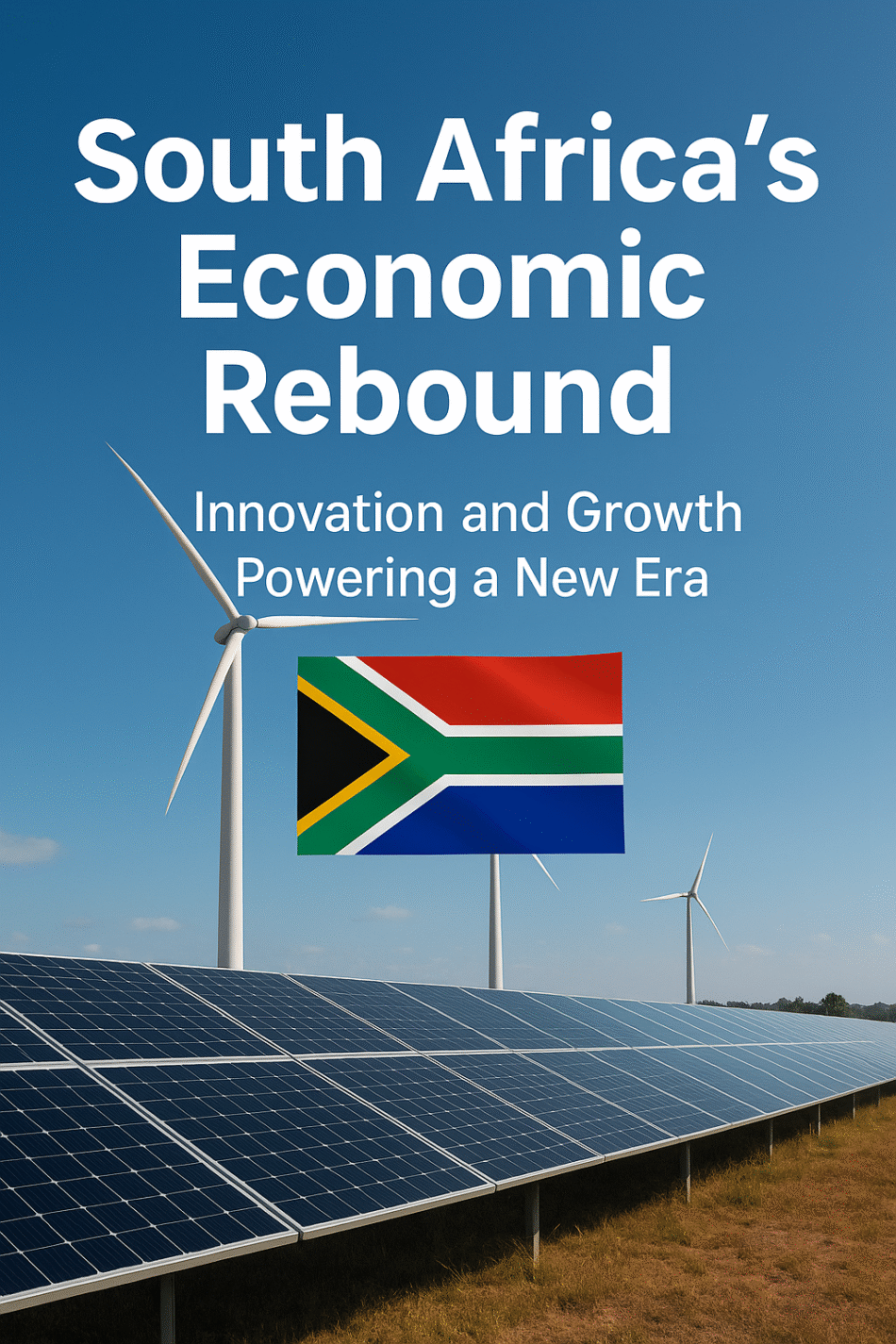
South Africa is stepping into a new era of innovation, resilience, and economic revival. From renewable energy to digital transformation, the nation is redefining its growth path for a stronger and more inclusive future.
A Resilient Nation Rising Again
After years of fluctuating growth and global uncertainty, South Africa’s economy is finally showing signs of strong recovery. Supported by technological advancements, infrastructure projects, and renewed investor confidence, the country is redefining its economic direction for the modern world.
In recent years, the government has focused on diversifying industries, promoting entrepreneurship, and creating sustainable job opportunities. Despite challenges such as energy constraints and inflationary pressures, South Africa continues to emerge as one of Africa’s most dynamic economies.
Digital Transformation: The New Economic Engine
Technology and innovation have become the backbone of South Africa’s economic evolution. With the rise of fintech startups, AI-based companies, and digital education programs, the nation is quickly transitioning toward a tech-driven future.
The South African Reserve Bank and other financial regulators have also embraced fintech innovation — creating an environment that encourages digital transactions, blockchain adoption, and inclusive banking. This move not only attracts foreign investment but also enhances financial accessibility for millions of citizens.
Renewable Energy Revolution
Energy has long been one of South Africa’s biggest challenges — but it’s also becoming one of its greatest opportunities. The government’s renewable energy programs are gaining momentum, with solar, wind, and hydrogen power leading the charge toward sustainability.
Through the Renewable Energy Independent Power Producer Procurement Programmed (REIPPPP), South Africa is empowering private companies to contribute to clean energy generation. This transition is expected to reduce dependency on coal and cut carbon emissions by over 30% in the next decade.
Manufacturing and Industrial Growth
Manufacturing remains a pillar of South Africa’s economy, contributing significantly to exports and employment. Recent initiatives aim to modernize the manufacturing sector through automation, smart factories, and sustainable production processes.
Special Economic Zones (SEZs) are being expanded to attract global investors and strengthen trade partnerships. These SEZs provide tax incentives and improved logistics, making South Africa a manufacturing hub for the Southern African region.
Agriculture: Innovation Meets Sustainability
Agriculture continues to play a vital role in South Africa’s economic stability. The integration of smart farming technologies, drone-based irrigation, and AI-driven crop monitoring has significantly increased yields while reducing costs.
The agricultural export sector is also booming, with citrus, wine, and macadamia nuts leading international demand. These exports are not only driving economic growth but also creating new rural employment opportunities.
Tourism and the Green Economy
Tourism, one of South Africa’s most beloved sectors, is bouncing back after the pandemic. With world-class destinations like Cape Town, Kruger National Park, and Durban, the country remains a top choice for global travelers.
The government’s focus on “eco-tourism” and green investments ensures that this recovery is sustainable. Programs promoting conservation, cultural tourism, and rural community participation have made tourism a cornerstone of South Africa’s inclusive growth strategy.
Education and Skills Development
A strong economy depends on a skilled workforce. South Africa’s education system is gradually transforming to meet the demands of Industry 4.0 — with emphasis on coding, robotics, and digital literacy from early schooling.
Universities and technical colleges are collaborating with the private sector to align academic programs with emerging job markets. This approach ensures that young South Africans are ready to lead in innovation, technology, and entrepreneurship.
Trade and Regional Influence
South Africa remains a key trade and investment gateway for the African continent. Its participation in the African Continental Free Trade Area (AfCFTA) strengthens its position as a strategic partner for intra-African commerce.
By enhancing trade relations with neighboring nations, South Africa is contributing to regional economic integration and collective growth across Africa. Its robust infrastructure and ports make it an essential link in Africa’s global supply chain.
Challenges and the Road Ahead
While South Africa’s progress is undeniable, challenges such as unemployment, energy shortages, and corruption still persist. However, transparency initiatives and anti-corruption reforms are helping rebuild trust between government and citizens.
The focus on renewable energy, small business growth, and digital innovation will be crucial in maintaining momentum. By continuing to invest in human capital and infrastructure, South Africa can achieve long-term economic stability and inclusivity.
Conclusion: A Promising Future for South Africa
South Africa’s economic journey is one of resilience and reinvention. With innovation at its core, the nation is not just recovering — it’s redefining what sustainable progress looks like for Africa and the world.
The coming years hold tremendous potential for South Africa to emerge as a leader in green technology, digital transformation, and regional trade. For investors, entrepreneurs, and citizens alike, the message is clear — the best is yet to come.
For more insightful updates on African economic growth, innovation, and development, visit Mauritius Daily Chronicle, your trusted source for authentic and in-depth news.
Read more insightful business and innovation stories at The Star Biz News.



