 WhatsApp Us Now

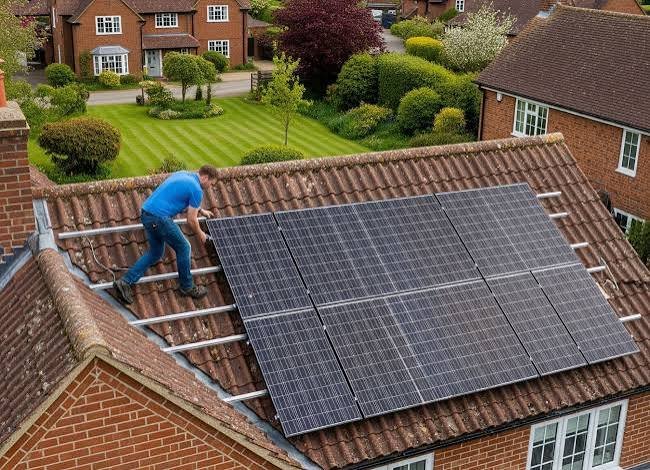
Getting solar panels fitted is a big step for any homeowner. You want a system that works well, a fair price and an installer who does the job properly. Nobody wants to spend thousands of pounds only to find out later that the panels were poorly fitted or the promised savings were unrealistic.
The trouble is that many solar companies make similar claims. They talk about lower bills, better energy use and long-term savings. But how do you tell which company is actually worth trusting?
The answer is not always the cheapest quote or the company with the flashiest website. You need to look at the people doing the work, the equipment they use and the support they offer once the panels are on your roof.
Here is what to check before choosing a solar panel installer in the UK.
1. Look at the Work They Have Already Done
A company can make big promises during a sales call. Its past work gives you a better idea of what it can deliver.
Start by checking how long the installer has been working in the solar industry. Then look for examples of completed jobs. If possible, find projects involving homes similar to yours.
For example, a company that has mainly worked on large commercial roofs may not have much experience with older houses or smaller domestic systems.
Before you move forward, check:
- How many years has the company been installing solar panels?
- Can it show photos of recent home installations?
- Does it have experience with your type of roof?
- Are its customer reviews from genuine, independent sources?
- Does it respond properly when customers raise complaints?
Pay attention to the details in customer reviews. Comments about punctuality, tidy work, clear pricing and aftercare can tell you more than a simple five-star rating.
If you see a complaint, check how the company handled it. A business that takes responsibility and tries to put things right may be more dependable than one that ignores unhappy customers.
2. Check Its Certification Before Agreeing to Anything
Solar panels are not just placed on a roof and left to do their job. The system needs safe electrical connections and a suitable design. The installation must also meet the relevant standards.
For UK homeowners, MCS certification is an important point to check. The Microgeneration Certification Scheme sets standards for renewable energy products and installers.
Ask the company for its MCS details and check them through the official MCS website. Do not rely only on a badge displayed on its website.
It is also worth asking about:
- Electrical qualifications: Who will carry out the electrical work?
- Insurance: Does the company have suitable public liability cover?
- Consumer protection: Is it part of a recognised consumer protection scheme?
- Installation standards: Will the work meet the relevant building and electrical requirements?
These checks may seem like extra effort, but they are worth doing. You want to know who is working on your property and what protection you have if something goes wrong.
3. Get Three Quotes, Not Just One
You might receive a quote that looks like a bargain. Before accepting it, get at least two more.
Solar prices can vary because companies use different panels, inverters and battery systems. They may also include different levels of work in their prices.
A cheaper quote could leave out scaffolding, electrical upgrades or other costs. That is why you should ask each installer for a full written breakdown.
Your quote should show:
- The number of panels and their brand
- The total system size in kW
- The inverter make and model
- Battery details, if you want storage
- Scaffolding and labour costs
- Any extra electrical work
- The estimated yearly electricity output
- Warranty details
- The expected installation date
- Payment terms and deposit requirements
Compare like with like. A 3kW system will not cost the same as a larger system with battery storage.
If one company gives you a much lower price than the others, ask why. It may have a good reason, but you should know what is included before signing.
4. Ask Which Panels and Inverter They Will Fit
The equipment on your roof will be there for years, so do not choose it without asking a few questions.
Solar panels come in different sizes, designs and efficiency levels. The inverter is just as important because it converts the electricity produced by the panels into power your home can use.
Ask the installer to name the exact products included in the quote. Then check their specifications and warranties.
Here are the main things to look at:
Panel efficiency
This tells you how well a panel turns sunlight into electricity. Higher efficiency can help when your roof has limited space.
Product warranty
This covers faults with the panel itself. Check the length of the warranty and how you would make a claim.
Performance warranty
This gives an estimate of how much power the panel should still produce over time. Read the terms rather than relying on the headline number.
Inverter warranty
Ask how long the inverter is covered for and what replacement would cost if it failed outside the warranty period.
Battery warranty
If you want a battery, check its usable capacity, expected lifespan and warranty conditions.
A good installer should explain why a particular setup suits your home. If the salesperson cannot answer simple questions about the equipment, think twice before going ahead.
5. Do Not Accept a Final Price Without a Home Survey
A quick phone call is not enough to decide which solar system your home needs.
The installer should check your roof and ask about your electricity use. Both can affect the size and cost of the system.
During the survey, the company should look at:
- The direction and angle of your roof
- The condition of the roof covering
- Shade from trees, chimneys or nearby buildings
- Available roof space
- Your household electricity use
- The best place for the inverter and battery
Think about when your household uses the most electricity. If everyone is out during the day and most power is used in the evening, a battery may be worth discussing. If you use appliances during daylight hours, you may be able to use more solar electricity as it is produced.
Ask the installer to explain what your roof can realistically produce. Be wary of anyone who promises huge savings without checking the property or looking at your energy bills.
6. Understand the Full Price and Any Extra Costs
The price of solar panels depends on the size of the system, the equipment and the work needed at your property. Adding a battery will usually increase the total cost.
Before you agree, ask the company to explain every part of the quote. Check whether the price includes scaffolding, installation, electrical work and any changes needed to your existing setup.
It is also useful to ask:
- Is the quoted price the final price?
- Could roof repairs or electrical upgrades add to the cost?
- How much deposit is needed?
- When are the remaining payments due?
- Are there any monitoring or maintenance charges?
If you are also planning other home energy improvements, you may want to compare the Get Heat Pump solar panel installation cost before setting your budget. Looking at the likely costs of different upgrades can help you decide which work to do first.
One more thing: ask how the company has worked out its savings estimate. Your actual savings will depend on your energy use, electricity prices, system output and how much of the power you use at home.
7. Find Out What Happens After Installation
The installer’s job should not end the moment the panels are switched on.
You need to know who to contact if the system stops working, the inverter shows a fault or the monitoring app stops reporting your energy use.
Before signing, ask:
- Who handles faults after installation?
- How do I make a warranty claim?
- Is help available if the monitoring system stops working?
- Does the company offer maintenance?
- What happens if the business closes?
Read the warranty documents carefully. Check what is covered, how long the cover lasts and whether labour or call-out costs are included.
It is also worth asking for the system paperwork once the work is complete. Keep the installation details, product warranties and electrical certificates somewhere safe.
8. Be Careful of These Warning Signs
A good installer should give you clear information and enough time to make a decision. You should not feel pushed into signing a contract.
Take care if a company:
- Says the offer is only available if you sign today.
- Promises savings without checking your home.
- Refuses to provide a full written quote.
- Cannot show proof of its certification.
- Will not name the panels or inverter it plans to use.
- Gives unclear answers about warranties.
- Demands a large payment without explaining the terms.
If something does not feel right, walk away and speak to another installer. There are plenty of companies to compare, so there is no need to rush.
9. Choose Someone Who Gives Straight Answers
You will probably have questions during the process. The installer should be happy to answer them without making you feel that you are wasting their time.
Notice how the company speaks to you. Does it explain the technical side in plain English? Does it listen when you talk about your budget? Does it point out any limits with your roof?
These small details matter.
You are letting a company work on your home and spending a fair amount of money in the process. You should feel comfortable with the people carrying out the job.
A reliable installer will not tell you that every home needs the same system. It will explain what suits your property, what it will cost and what results you can reasonably expect.
Conclusion
Choosing a solar panel company is about more than finding the lowest price. You need an installer who understands your property, uses suitable equipment and explains the work before asking you to sign.
Take time to check its credentials, compare quotes and read the warranty terms. Ask questions if anything is unclear. A good company will be happy to explain the details.
If you are researching solar panel installation uk, do not let a sales offer rush your decision. Choose a company that gives you clear figures, honest advice and proper support after the installation. That is a much better starting point for getting solar panels fitted to your home.
FAQs
1. How can I check if a solar panel installer is reliable?
Check its MCS certification, customer reviews, insurance and past installations. Ask for a written quote and speak to the company about its aftercare service before making a decision.
2. Is it worth getting quotes from several solar companies?
Yes. Three quotes give you a better idea of the price and the equipment available. They also help you spot costs that one company may have left out.
3. Should I choose a solar panel company that offers a battery?
That depends on how you use electricity. If you use most of your power in the evening, a battery may help you use electricity stored during the day. Ask the installer to explain the extra cost and likely benefit.
4. How long does solar panel installation take in the UK?
The fitting work often takes one to a few days. However, the full process can take longer because the survey, paperwork, scaffolding and other arrangements need to be completed first.
5. What should a solar panel installation quote include?
It should list the panels, inverter, system size, labour, scaffolding, electrical work, warranties and any extra charges. It should also explain the expected electricity output and payment terms.


