 WhatsApp Us Now
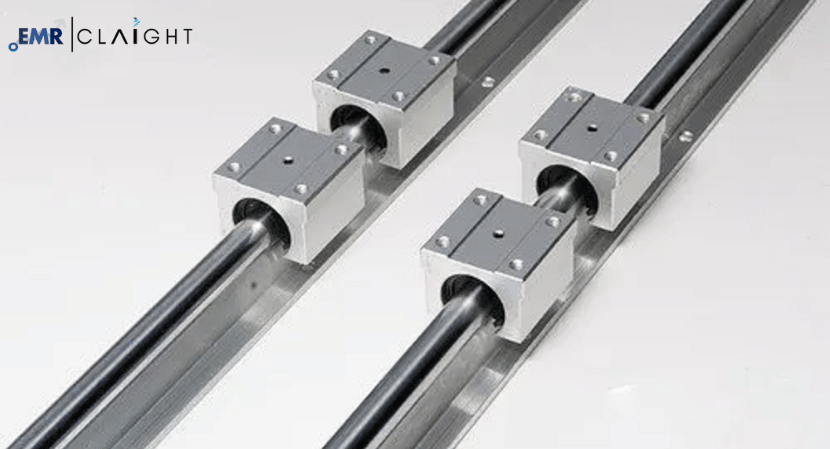
Sliding Bearing Market Outlook
The sliding bearing market size has emerged as one of the most dynamic segments in the global bearings industry, driving significant growth due to advancements in material technologies, growing industrialization, and the increasing demand for efficient, durable, and cost-effective mechanical systems. As of 2024, the global sliding bearing market is valued at USD 1,111.47 million, and it is projected to grow at a compound annual growth rate (CAGR) of 6.9% during the forecast period of 2025-2034, reaching USD 2,031.95 million by 2034.
This article provides an in-depth analysis of the global sliding bearing market, highlighting the factors driving its growth, key market players, emerging trends, and technological innovations. Additionally, it discusses the competitive landscape and future projections, focusing on both challenges and opportunities that will shape the future of the market.
1. Introduction to Sliding Bearings
Sliding bearings, also known as plain bearings or journal bearings, are mechanical components used to reduce friction between two moving parts. Unlike rolling element bearings, which use rolling balls or rollers to reduce friction, sliding bearings rely on a lubricating film to facilitate smooth motion. These bearings are extensively used in various industrial applications, including automotive, aerospace, energy, and heavy machinery sectors, due to their simplicity, robustness, and cost-effectiveness.
Sliding bearings can be made from various materials such as metals, polymers, ceramics, and composites. Depending on the material used, they can handle different load capacities, temperatures, and environmental conditions. The primary function of a sliding bearing is to minimize wear and tear while enhancing the efficiency and longevity of the machines they are used in.
Get a Free Sample Report with Table of Contents@https://www.expertmarketresearch.com/reports/sliding-bearing-market/requestsample
2. Market Overview and Growth Drivers
2.1. Market Size and Forecast
As mentioned earlier, the global sliding bearing market was valued at USD 1,111.47 million in 2024 and is expected to expand significantly, with a forecasted CAGR of 6.9% during the period of 2025-2034. By the end of this period, the market is expected to reach USD 2,031.95 million.
Several factors contribute to this growth, including the rising demand for high-performance bearings across various industries, technological advancements, and an increasing focus on energy-efficient solutions. Moreover, the expansion of manufacturing facilities, coupled with the growing need for automation and precision engineering, is expected to further drive the demand for sliding bearings.
2.2. Key Growth Drivers
2.2.1. Industrialization and Manufacturing Expansion
The ongoing industrialization in emerging markets, such as Asia-Pacific, Latin America, and Africa, is one of the primary drivers of the sliding bearing market’s growth. The rapid expansion of the automotive, construction, and manufacturing sectors in these regions is creating a strong demand for high-quality bearings.
For example, in the automotive industry, sliding bearings are used in engine components, suspension systems, and transmissions to ensure smooth movement and durability under high-stress conditions. Similarly, in the manufacturing sector, sliding bearings are used in heavy machinery, pumps, and conveyors, which require reliable and low-maintenance solutions.
2.2.2. Technological Advancements in Material Science
Another crucial factor driving the market is the ongoing advancements in material science. New materials such as high-performance composites, self-lubricating polymers, and advanced ceramics are being developed to enhance the performance of sliding bearings. These materials offer benefits such as lower friction coefficients, higher load capacities, and greater resistance to wear and corrosion, which make them highly desirable in demanding applications like aerospace and heavy machinery.
For instance, advancements in polymer-based bearings have led to the development of self-lubricating sliding bearings that require little to no maintenance. This not only reduces operational costs but also extends the lifespan of equipment, making these bearings a cost-effective solution for businesses.
2.2.3. Growing Focus on Energy Efficiency
As global industries are placing more emphasis on energy efficiency and reducing environmental impact, the demand for components that can optimize machine performance is increasing. Sliding bearings, which offer low friction and smooth movement, play a crucial role in improving the energy efficiency of various mechanical systems. Bearings with low friction losses help in reducing energy consumption, which is especially important in sectors like automotive, aerospace, and renewable energy.
2.3. Market Segmentation
The global sliding bearing market can be segmented based on type, material, application, and region.
2.3.1. By Type
The market can be segmented into several types of sliding bearings, including:
- Journal Bearings: Used in applications where a shaft rotates inside a bearing.
- Thrust Bearings: Primarily used to handle axial loads.
- Self-Lubricating Bearings: These bearings come with a lubricant embedded in the material to reduce the need for external lubrication.
- Other Types: Includes various specialized designs tailored for specific applications.
2.3.2. By Material
Sliding bearings are available in a wide range of materials, such as:
- Metal: Typically made from bronze, steel, or cast iron.
- Polymers: Includes materials like PTFE, PEEK, and nylon.
- Composites: These bearings are designed to provide superior wear resistance and high load capacity.
- Ceramics: Often used in extreme environments due to their high heat resistance and low friction properties.
2.3.3. By Application
The primary applications of sliding bearings include:
- Automotive: Used in engine components, transmissions, and suspension systems.
- Aerospace: Utilized in aircraft engines, turbines, and other high-precision machinery.
- Industrial Equipment: Found in machinery such as pumps, motors, and conveyors.
- Energy: Applied in wind turbines, power generation systems, and more.
2.3.4. By Region
Geographically, the market is segmented into:
- North America
- Europe
- Asia-Pacific
- Latin America
- Middle East and Africa
Among these, Asia-Pacific is expected to lead the market due to the rapid industrialization and the presence of key manufacturing hubs in countries like China, India, and Japan.
3. Competitive Landscape
The global sliding bearing market is highly competitive, with several established players dominating the landscape. These companies focus on product innovations, strategic acquisitions, and expanding their manufacturing capacities to stay ahead of the competition.
Some of the key players in the market include:
- SKF: A leading global supplier of bearings and seals, SKF is known for its technological innovations in the bearing industry.
- NTN Corporation: A Japanese company, NTN is a major player in the bearing industry and offers a wide range of products, including sliding bearings.
- Saint-Gobain Performance Plastics Pampus GmbH: Specializes in the development of high-performance polymer-based bearings.
- The Timken Company: Known for its high-quality bearings and advanced engineering solutions, Timken serves a variety of industries, including automotive and aerospace.
- Schaeffler Technologies AG & Co. KG: A global leader in the development of precision bearings, Schaeffler serves a wide array of sectors.
- MinebeaMitsumi Inc.: Known for its advanced technology in bearings, MinebeaMitsumi produces products for industries such as aerospace, automotive, and electronics.
- RBC Bearings Incorporated: A U.S.-based manufacturer of precision bearings, including sliding bearings used in high-performance applications.
- Others: The market also includes numerous regional players and specialized manufacturers offering innovative solutions to meet the growing demand for sliding bearings.
These companies continually focus on expanding their product portfolios, enhancing their technological capabilities, and entering new geographical markets to strengthen their competitive position.
4. Emerging Trends and Technological Innovations
4.1. Self-Lubricating Bearings
One of the key trends in the sliding bearing market is the increasing demand for self-lubricating bearings. These bearings are designed to operate without the need for external lubrication, reducing maintenance costs and improving operational efficiency. Self-lubricating bearings are gaining traction in industries where regular lubrication is difficult, such as in high-temperature environments or in remote locations.
4.2. Smart Bearings
The integration of sensors into sliding bearings is another emerging trend. Smart bearings equipped with sensors can provide real-time data on performance metrics, such as temperature, vibration, and load, allowing for predictive maintenance. This helps in minimizing downtime and extending the lifespan of equipment, making it especially useful in industries like aerospace and manufacturing.
4.3. 3D Printing of Bearings
3D printing technology is also revolutionizing the design and manufacturing of sliding bearings. By using 3D printing, manufacturers can produce customized bearings with complex geometries, optimizing them for specific applications. This technology allows for faster prototyping and reduced production costs, driving the adoption of 3D-printed bearings in various industries.
5. Challenges Facing the Sliding Bearing Market
5.1. Material Limitations
Despite advancements in materials, sliding bearings still face limitations in terms of material compatibility and performance under extreme conditions. For example, bearings used in high-temperature or high-load applications may suffer from wear and fatigue, which can compromise their performance. Ongoing research into new materials and coatings is essential to overcome these challenges.
5.2. Economic Uncertainties
The global economic environment, marked by factors such as trade wars, fluctuating oil prices, and geopolitical tensions, can impact the growth of the sliding bearing market. Economic uncertainties often lead to reduced investments in infrastructure and manufacturing, which can hinder the demand for bearings.
5.3. Competition from Alternative Technologies
The growing demand for energy-efficient solutions has led to the development of alternative bearing technologies, such as magnetic bearings and hybrid bearings. These alternatives, while offering advantages in certain applications, present competition for traditional sliding bearings.
Media Contact:
Company Name: Claight Corporation
Contact Person: Eren smith, Corporate Sales Specialist – U.S.A.
Email: sales@expertmarketresearch.com
Toll Free Number: +1-415-325-5166 | +44-702-402-5790
Address: 30 North Gould Street, Sheridan, WY 82801, USA
Website: https://www.expertmarketresearch.com


