 WhatsApp Us Now
Introduction
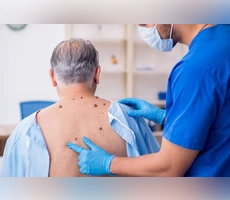
Seborrheic keratosis is a common, non-cancerous skin growth that often appears as people get older. These growths can develop on the face, chest, back, shoulders and other parts of the body. They may look brown, black, tan or slightly yellow, and their surfaces can be smooth, rough or waxy. Although seborrheic keratosis is usually harmless, some growths can resemble skin cancer, making it important to recognise changes and seek professional advice when necessary.
Choosing appropriate Seborrheic Keratosis Remedies begins with understanding what the growth looks like, whether it causes discomfort and whether a healthcare professional has confirmed the diagnosis. Many people look for home treatments to remove raised spots or improve their skin’s appearance. However, not every remedy is safe, and some products may irritate the skin or delay the diagnosis of a more serious condition.
Knowing when to consult a doctor can help you avoid unnecessary risks. This guide explains the warning signs to watch for, the available treatment options, the limitations of home remedies and the questions to discuss with a dermatologist.
What Is Seborrheic Keratosis?
Seborrheic keratosis is a benign growth that develops from cells in the outer layer of the skin. It is particularly common in middle-aged and older adults, although younger people can develop it as well. Some people have only one growth, while others develop several over time.
These growths often have a distinctive appearance. They may seem to sit on top of the skin, with a waxy, scaly or slightly crumbly surface. Their colour can range from light tan to dark brown or black. Most are painless and grow slowly.
The exact cause is not fully understood, but age and genetics appear to play important roles. Having several growths does not automatically indicate a serious health problem, and seborrheic keratosis is not considered contagious.
Although these growths are harmless in themselves, appearance alone cannot always distinguish them from melanoma or other skin conditions. A new, unusual or changing spot should therefore receive appropriate medical attention rather than immediate treatment at home.
When Should You See a Doctor?
Understanding when to seek medical advice is one of the most important parts of choosing safe Seborrheic Keratosis Remedies. Although a typical, stable growth may not require treatment, certain changes deserve attention.
1. When a Growth Changes Rapidly
Seborrheic keratosis usually develops gradually. If a spot grows noticeably over a short period, changes shape or becomes increasingly raised, arrange an appointment with a healthcare professional.
Rapid growth does not necessarily mean that a lesion is cancerous. However, a changing growth should not be assumed to be harmless without an assessment.
Pay attention to changes in its size, colour, border and surface. Taking occasional photographs can help you notice differences over time, but photographs cannot replace a professional examination.
2. When a Spot Has an Unusual Colour or Shape
Seborrheic keratosis can be dark, but some skin cancers also appear brown or black. A lesion that has several colours, an irregular border or an unusual shape should be checked.
Watch for the following features:
- An asymmetrical shape, where one half differs from the other.
- An uneven or poorly defined border.
- Several colours within the same lesion.
- A spot that looks noticeably different from your other skin growths.
- A new dark mark that continues to change.
These features do not establish a diagnosis, but they are reasons to seek medical advice. Melanoma and other skin cancers can sometimes resemble benign growths, so avoid relying on appearance alone.
3. When the Growth Bleeds Without an Obvious Injury
Seborrheic keratosis can bleed if clothing, jewellery or fingernails rub against it. Nevertheless, repeated bleeding or bleeding without a clear explanation should be assessed.
A growth that develops a persistent crust, open sore or area that does not heal also deserves attention. These symptoms can occur for several reasons, including irritation, infection or another skin condition.
Do not repeatedly scratch the area or attempt to remove its surface. Keep it clean and arrange an appointment, particularly if the bleeding returns.
4. When You Experience Pain, Persistent Itching or Inflammation
Most seborrheic keratoses do not cause significant pain. Some become irritated when they rub against clothing or jewellery, especially around the neck, waist or underarms.
Contact a doctor if a growth becomes persistently itchy, tender, swollen or inflamed. Seek advice if the surrounding skin becomes increasingly red, warm or uncomfortable.
Pain and irritation do not always indicate a serious problem, but persistent symptoms may mean that the diagnosis needs reviewing or that the lesion requires treatment.
5. When You Develop Many Growths Suddenly
Some people gradually develop more seborrheic keratoses as they age. However, the sudden appearance of numerous growths over a relatively short period is worth discussing with a doctor, particularly if the change is dramatic or accompanied by other symptoms.
A sudden increase is sometimes discussed in relation to the sign known as the Leser–Trélat sign. Although it has been associated with certain internal cancers in some reports, the association is uncommon and remains a matter of clinical debate. Numerous new growths do not automatically mean that cancer is present.
Your doctor can assess the pattern of the lesions and decide whether any further investigation is appropriate. Avoid assuming that every new growth has the same cause as an older one.
6. When a Growth Is Near Your Eyes or Other Sensitive Areas
Seborrheic keratoses may develop around the eyelids, face or other sensitive areas. Treatment in these locations requires particular care because the surrounding skin can be easily damaged.
If a growth affects your eyelid, vision, comfort or ability to close your eye, arrange a medical assessment. Never apply over-the-counter wart removers, acids or unverified herbal preparations close to your eyes.
A qualified clinician can determine whether removal is necessary and select a suitable method for the location.
Why a Professional Diagnosis Matters
Before trying Seborrheic Keratosis Remedies, it is important to confirm that the growth really is seborrheic keratosis. Several skin conditions can look similar, including common warts, actinic keratoses, moles, basal cell carcinoma and melanoma.
A doctor or dermatologist will usually examine the lesion and ask about its history. They may ask when it appeared, whether it has changed and whether it causes bleeding, itching or pain.
A dermatoscope, which magnifies the skin’s surface, may help the clinician assess the growth. If the appearance is uncertain, the doctor may recommend a skin biopsy. This involves removing a small sample of tissue for examination under a microscope.
A biopsy is not necessary for every typical seborrheic keratosis. The decision depends on the lesion’s appearance, symptoms and the clinician’s assessment.
Getting the diagnosis right helps prevent inappropriate treatment. For example, applying a strong acid to a suspicious lesion could damage the skin and make the area harder to assess.
Which Seborrheic Keratosis Remedies Are Available?
Treatment depends on whether the growth has been correctly identified, whether it causes symptoms and whether you want it removed for cosmetic reasons.
A typical seborrheic keratosis does not usually require treatment. If it becomes irritated, catches on clothing or causes concern about its appearance, a clinician can discuss suitable options.
Cryotherapy
Cryotherapy involves applying liquid nitrogen to the growth to destroy the affected tissue. The treated area may blister, form a crust and gradually heal.
This method can be useful for selected lesions, although it may cause temporary discomfort or changes in skin colour. Some growths need additional treatment, and thicker lesions may respond less well.
Cryotherapy should be performed by an appropriately trained healthcare professional, especially when the diagnosis is uncertain or the growth is on a sensitive area.
Curettage
Curettage involves removing the growth with a specialised instrument. A clinician may use local anaesthetic, depending on the size and location of the lesion.
This approach allows the professional to remove the raised tissue and, when indicated, send a sample for laboratory examination. Healing time varies, and a small scar or change in skin colour may remain.
Electrosurgery
Electrosurgery uses electrical energy to destroy or remove the affected tissue. It may be used alone or alongside curettage.
The procedure can be effective, but the clinician must consider the lesion’s location, thickness, skin type and the possibility of scarring. It is not appropriate to use home electrical devices to remove skin growths.
Laser Treatment
Certain laser procedures may be considered for selected lesions, particularly when cosmetic concerns are important. However, laser treatment is not necessary for most seborrheic keratoses and may be more expensive than other approaches.
A dermatologist can explain whether it is suitable and discuss potential pigmentation changes, scarring, costs and the possibility of recurrence.
Prescription Treatments
Some prescription treatments may be available for specific cases in certain countries. Their suitability depends on the product, the lesion and the patient’s circumstances.
Do not assume that a cream designed for warts, acne or another skin condition will safely remove seborrheic keratosis. Ask a healthcare professional before using a medicated product for this purpose.
No single treatment is best for every growth. A clinician can recommend an approach based on an accurate diagnosis and your preferences.
Are Natural Remedies for Seborrheic Keratosis Safe?
Many people prefer gentle skincare and natural ingredients when managing skin concerns. However, natural does not always mean safe, and no home remedy has been reliably proven to remove seborrheic keratosis without risk.
Before using any product, remember that the first step is confirming the diagnosis. Once a doctor has identified a harmless growth, you can discuss suitable ways to care for the surrounding skin.
Gentle Skin Care
A simple skincare routine can help keep the surrounding skin comfortable. Use a mild cleanser, lukewarm water and a fragrance-free moisturiser if the area feels dry.
Avoid scrubbing the growth with rough cloths, exfoliating brushes or abrasive products. These methods will not reliably remove the lesion and may cause irritation, bleeding or infection.
If clothing repeatedly rubs against the growth, consider wearing softer fabrics or adjusting tight garments. These measures may reduce discomfort but will not eliminate the growth itself.
Natural Ingredients and Herbal Products
Online searches for Natural Remedies for Seborrheic Keratosis often lead to suggestions involving apple cider vinegar, tea tree oil, garlic, essential oils and other household ingredients. Evidence supporting these methods is limited, and they should not be regarded as proven treatments.
Apple cider vinegar and other acidic substances can irritate or burn the skin. Garlic may cause contact dermatitis or chemical burns, while essential oils can trigger allergic reactions, particularly when applied undiluted.
Avoid using these substances to burn, dissolve or scrape away a growth. Such attempts can lead to scarring, infection and changes in pigmentation. They can also delay the diagnosis of skin cancer if the lesion has been misidentified.
If you are considering products marketed by Herbal Care Products or another herbal skincare provider, review the ingredients carefully and discuss their intended use with a qualified healthcare professional. A product’s natural origin or marketing claims do not establish that it can safely remove a seborrheic keratosis.
Moisturisers and Skin Protection
Moisturisers can help relieve dryness and support the skin barrier, but they do not remove seborrheic keratosis. Choose a product that suits your skin and stop using it if irritation develops.
Daily sun protection is also beneficial for overall skin health. Apply broad-spectrum sunscreen with an SPF of at least 30 to exposed skin and use protective clothing when spending time outdoors.
Sun protection does not guarantee that new seborrheic keratoses will not develop. However, it helps reduce ultraviolet damage and lowers the risk of several other skin problems.
What Should You Avoid When Treating a Skin Growth?
When exploring Seborrheic Keratosis Remedies, it is just as important to know which approaches to avoid as it is to understand the available treatments.
Do not cut, shave, burn or pull off a growth yourself. Even a small lesion can bleed, become infected or leave a permanent scar when removed incorrectly.
Avoid the following practices:
- Using wart-removal acids: Products containing salicylic acid or other strong ingredients may damage healthy skin and are not appropriate substitutes for a diagnosis.
- Applying household chemicals: Bleach, concentrated vinegar and other caustic substances can cause serious skin injuries.
- Scratching or picking: Repeated trauma can cause bleeding, inflammation and infection.
- Trusting unverified claims: Be cautious of products promising immediate removal, permanent results or guaranteed cures.
- Ignoring changes: Do not continue home treatment when a lesion changes colour, grows rapidly, bleeds or becomes painful.
If you have already applied an irritating substance, stop using it. Gently rinse the affected area with water. Seek medical advice if you develop severe pain, blistering, swelling or a persistent wound.
How Can You Care for Your Skin After Professional Removal?
After a clinician removes a growth, proper aftercare supports healing and reduces the risk of complications. Follow the instructions provided for your particular procedure.
Depending on the treatment, you may need to keep the area clean, apply a recommended ointment and cover it with a dressing. Do not pick at a scab or remove a dressing earlier than advised.
Contact your healthcare provider if you notice increasing redness, worsening pain, pus, spreading warmth or fever. These symptoms may indicate an infection or another complication.
Healing times vary according to the procedure, lesion size and location. Cryotherapy may cause blistering, while surgical removal can leave a small wound that takes longer to heal.
It is also important to understand that removing a growth does not prevent other seborrheic keratoses from appearing. New lesions may develop elsewhere as you age. Each new or changing growth should be assessed on its own merits rather than automatically assumed to be harmless.
How to Prepare for Your Dermatology Appointment
If you are concerned about a skin growth, preparing a few details can help your appointment run smoothly.
Before the visit, consider noting:
- When you first noticed the growth.
- Whether it has changed in size, colour, shape or texture.
- Whether it bleeds, itches, hurts or becomes inflamed.
- Which creams, home remedies or other treatments you have used.
- Whether similar growths have appeared elsewhere on your body.
You can take photographs showing changes over time, provided they are clear and taken in similar lighting. Bring a list of products you have applied, including herbal preparations and over-the-counter treatments.
Ask your doctor whether the diagnosis is certain, whether removal is necessary and which method would be most suitable. You can also discuss expected healing time, potential scarring, costs and the likelihood of recurrence.
These questions will help you make informed decisions about Seborrheic Keratosis Remedies without exposing your skin to unnecessary risks.
Frequently Asked Questions
Can seborrheic keratosis become cancerous?
Seborrheic keratosis is a benign growth and does not normally turn into skin cancer. However, skin cancer can sometimes resemble seborrheic keratosis. A changing or unusual lesion should be examined rather than assumed to be harmless.
Can seborrheic keratosis disappear naturally?
Some lesions may change in appearance over time, but most do not disappear reliably without treatment. There is no dependable home method that guarantees their removal. A dermatologist can explain whether treatment is appropriate for your particular growth.
Should I see a doctor for a small growth?
Size alone does not determine whether a growth needs assessment. A small lesion that changes rapidly, develops an irregular appearance or bleeds without explanation may need prompt evaluation. A typical, stable growth may not require removal, but seek advice if you are uncertain about its identity.
Are over-the-counter creams effective?
Some products are marketed for removing skin growths, but ordinary moisturisers do not eliminate seborrheic keratosis, and wart-removal products may damage the surrounding skin. Ask a healthcare professional before applying a removal product to an undiagnosed lesion.
Is seborrheic keratosis contagious?
No. Seborrheic keratosis is not an infectious condition and does not spread from one person to another through touching, sharing towels or ordinary skin contact.
Can I prevent new growths from developing?
There is no proven method that prevents every seborrheic keratosis. Age and genetics play important roles. Gentle skincare and sun protection remain useful for general skin health, but they should not be presented as guaranteed prevention.
Conclusion
Seborrheic keratosis is usually harmless, and many growths do not need treatment. However, changes in size, shape or colour, unexplained bleeding, persistent pain and sudden increases in the number of lesions are reasons to seek medical advice.
The safest approach to Seborrheic Keratosis Remedies begins with an accurate diagnosis. Professional treatments, including cryotherapy and curettage, can remove suitable growths when necessary. Gentle skincare may improve comfort, but household acids, unverified herbal preparations and attempts to remove lesions at home can cause harm.
If you notice a new or changing skin growth, arrange an assessment with a qualified healthcare professional. Early evaluation can help distinguish a benign lesion from a condition that needs further investigation.
Ultimately, protecting your skin means knowing when home care is appropriate and when professional help is the better choice. Never let the promise of a quick or natural solution delay an examination of a suspicious growth.


