 WhatsApp Us Now
Home renovation, property cleanouts, and construction projects often create more waste than expected. Standard curbside bins quickly overflow, leaving debris scattered around the site and slowing progress. Choosing the right waste disposal method can keep a project organized, improve safety, and reduce unnecessary delays.
A roll off dumpster near beachwood ohio can help homeowners and contractors understand the container sizes and disposal options commonly available for different projects. Learning how roll off dumpsters work before renting one makes it easier to select the proper container, avoid extra fees, and keep waste management simple from start to finish.
Whether you are replacing a roof, remodeling a kitchen, clearing an estate, or managing a commercial construction site, understanding the basics of roll off dumpsters helps you make informed decisions. Proper planning saves time, protects workers, and ensures waste is handled responsibly.
Understanding Roll Off Dumpsters and Their Purpose
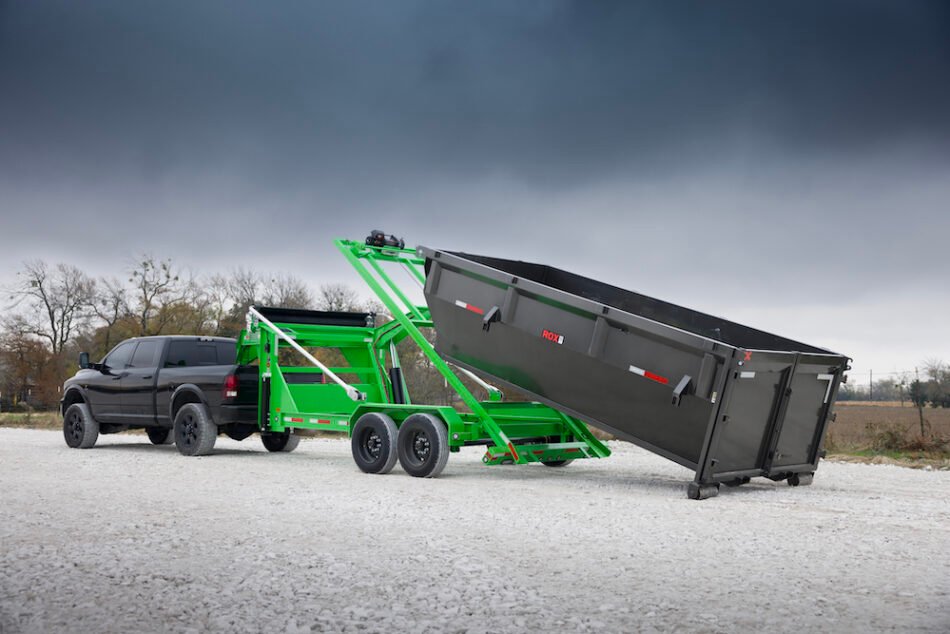
A roll off dumpster is a large, open-top waste container delivered to a location by a specialized truck. Unlike permanent commercial dumpsters, these containers are designed for temporary projects. Once filled, the rental company picks up the container and transports the waste for sorting, recycling, or disposal.
Roll off dumpsters come in several sizes, allowing them to accommodate projects ranging from small home cleanups to large commercial renovations.
Common uses include:
- Home remodeling
- Roofing replacement
- Garage cleanouts
- Estate cleanups
- Landscaping projects
- Construction and demolition work
- Office renovations
- Moving and decluttering
Because the container remains on-site during the project, workers can dispose of debris immediately instead of creating temporary piles that become hazards.
How to Choose the Right Roll Off Dumpster
Selecting the proper dumpster size is one of the most important decisions. Renting a container that is too small may require additional pickups, while choosing one that is too large increases costs unnecessarily.
Typical dumpster sizes include:
- 10-yard dumpster: Small remodeling jobs, garage cleanouts, and yard debris.
- 20-yard dumpster: Medium-sized renovations, flooring removal, and roofing projects.
- 30-yard dumpster: Major home remodels, large cleanouts, and commercial renovations.
- 40-yard dumpster: Large construction sites, demolition work, and industrial projects.
Project type matters more than square footage alone. For example, replacing drywall throughout a home creates bulky waste, while landscaping may generate heavier materials that affect weight limits.
It is also important to estimate debris accurately before scheduling delivery. Experienced contractors often prepare a simple material list to estimate both volume and weight.
Step-by-Step Guide to Renting a Roll Off Dumpster
Planning ahead makes the rental process smooth and helps avoid unnecessary complications.
1. Estimate Your Waste
List the materials your project will produce. Wood, drywall, concrete, roofing shingles, furniture, and household junk all occupy space differently.
2. Select the Proper Size
Choose a dumpster that comfortably accommodates the estimated debris without exceeding weight restrictions.
3. Prepare the Delivery Area
The placement location should have enough clearance for both the truck and the container. Driveways, parking areas, and designated construction zones are common locations.
Ensure the surface is stable and free of obstacles such as low tree branches or overhead utility lines.
4. Understand Restricted Materials
Many rental companies prohibit hazardous materials, including:
- Paints
- Chemicals
- Batteries
- Tires
- Asbestos
- Propane tanks
- Certain electronics
Knowing these restrictions beforehand prevents rejected loads and additional charges.
5. Load the Dumpster Safely
Distribute debris evenly throughout the container. Heavy items should be placed on the bottom while lighter materials remain on top. Avoid stacking waste above the container’s rim because overloaded dumpsters may not be transported safely.
Practical Examples of Roll Off Dumpster Use
Different projects benefit from different dumpster sizes and loading strategies.
A homeowner renovating a kitchen usually generates cabinets, drywall, flooring, and countertops. A 20-yard dumpster often provides sufficient capacity while keeping the project organized.
A roofing contractor replacing shingles on a large home may select a 30-yard container to accommodate heavy roofing materials without requiring multiple pickups.
An estate cleanout involving furniture, household belongings, and old appliances may also require a larger container depending on the home’s size.
Construction companies frequently use multiple dumpsters simultaneously. One container may hold recyclable materials, while another stores mixed construction debris. This approach improves recycling efficiency and keeps job sites cleaner.
Common Mistakes When Renting a Roll Off Dumpster
Many rental issues result from avoidable planning mistakes.
One common error is underestimating waste volume. Homeowners often focus only on visible debris while forgetting packaging, broken materials, and demolition waste.
Another mistake involves exceeding weight limits. Heavy materials such as concrete, dirt, brick, and asphalt can quickly surpass allowable weight even when the dumpster appears only partially full.
Improper placement also causes problems. Blocking sidewalks, fire lanes, or neighboring driveways may create safety concerns or violate local regulations.
Waiting until demolition begins before arranging delivery can interrupt project schedules. Booking in advance helps ensure equipment is available when needed.
Finally, mixing prohibited items with general debris may result in additional handling charges or rejected loads.
Expert Tips for Better Waste Management
Experienced contractors treat waste management as part of project planning rather than an afterthought.
Separate recyclable materials whenever possible. Metal, cardboard, untreated wood, and certain plastics may be recycled instead of entering landfills.
Break down bulky items before loading. Cabinets, shelving, and furniture occupy far less space when disassembled.
Protect the surrounding work area by placing plywood beneath the dumpster if it will sit on decorative pavement or finished concrete.
Load steadily throughout the project instead of waiting until the final day. Continuous cleanup improves job site safety and increases productivity.
Communicate with everyone working on the project about which materials belong in the dumpster. Clear instructions reduce contamination and improve disposal efficiency.
If weather is expected, consider covering the dumpster with a tarp when it is not in use. This prevents rainwater from increasing the load’s weight and helps keep debris contained during windy conditions.
Conclusion
A roll off dumpster provides a practical solution for managing waste during renovations, construction, landscaping, and large cleanout projects. Choosing the correct size, understanding weight limits, preparing the placement area, and following safe loading practices help keep projects efficient and organized.
Careful planning reduces unnecessary costs, improves safety, and supports responsible waste disposal. Whether managing a small home improvement project or overseeing a large construction site, understanding how roll off dumpsters work allows you to complete the job with greater confidence and fewer unexpected challenges.