 WhatsApp Us Now
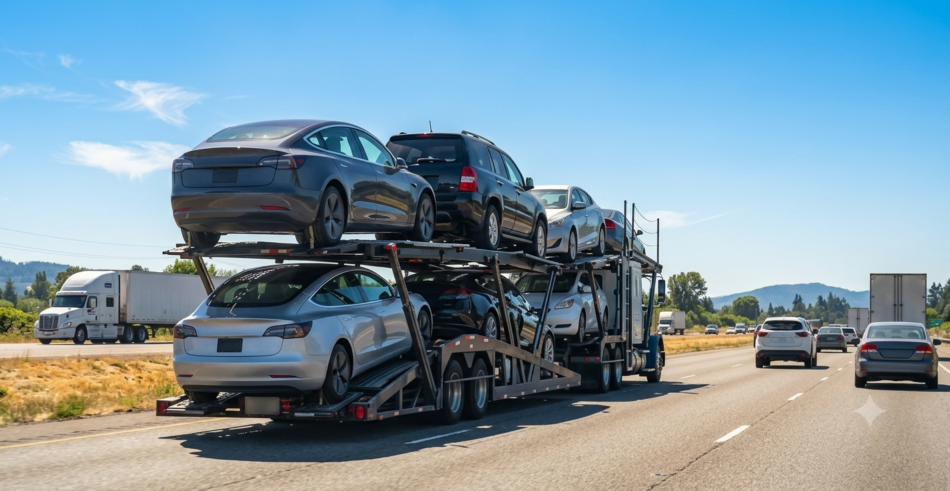
Moving from Arizona to California can mean a new job, a different lifestyle, or a fresh start closer to family. While organizing housing, packing belongings, and planning travel, deciding how to move your vehicle is another important consideration. Arizona to California auto transport offers a practical alternative to driving your car across state lines yourself.
With the right transportation arrangements, you can coordinate vehicle delivery around your relocation schedule. Rapid Auto Shipping helps customers explore vehicle shipping options throughout the United States, making it easier to plan an interstate move while keeping transportation needs in focus.
A Move Across Two States Deserves a Better Plan
Arizona and California share a border, but the distance between your starting point and destination can vary considerably. Someone moving from Phoenix to Los Angeles will have different transportation needs from someone relocating from Tucson to San Francisco or Flagstaff to San Diego.
Driving may work for some people, but it can add mileage, fuel expenses, road fatigue, and travel time to an already demanding move. Shipping your car separately allows you to consider alternative travel arrangements, including flying to your destination or concentrating on moving your household.
Professional vehicle transportation can be especially useful for families moving multiple vehicles, professionals starting new positions, college students heading to California campuses, and seasonal travelers spending time in another state.
Before choosing a service, identify your pickup location, delivery address, preferred dates, and vehicle details. These basic details provide a useful starting point for comparing transportation arrangements.
Which Shipping Option Fits Your Vehicle?
Not every vehicle requires the same type of carrier. Understanding the available options helps you select a service that matches your budget and expectations.
- Open auto transport
Open carriers transport multiple vehicles on an exposed trailer. This is a common option for everyday sedans, SUVs, and pickup trucks. It can offer a practical balance between availability and cost for many interstate shipments.
- Enclosed auto transport
Enclosed carriers surround vehicles with a protective trailer, limiting exposure to weather and road debris. Owners of classic cars, luxury vehicles, collectibles, or other high-value automobiles may prefer this option.
Both methods have different pricing and availability. When discussing options with Rapid Auto Shipping, explain your vehicle’s value, condition, and any special requirements so you can evaluate an appropriate arrangement.
What Determines the Cost of This Route?
There is no universal price for shipping a vehicle from Arizona to California. The final estimate depends on several practical details, including the following:
- Pickup and delivery cities: Major metropolitan areas may offer different carrier availability from remote communities.
- Vehicle size and weight: Larger vehicles can require more carrier space.
- Carrier type: Enclosed transportation generally costs more than open transportation.
- Season and demand: Moving periods and regional shipping demand can affect pricing.
- Vehicle condition: Inoperable vehicles may require special loading equipment.
- Scheduling flexibility: Flexible pickup dates can sometimes provide access to more transportation options.
For a useful comparison, request estimates based on the same route, vehicle, transport type, and approximate dates. Check whether each quote includes the same services and ask about potential additional charges.
Rapid Auto Shipping can help customers explore available shipping arrangements and understand the details to consider when planning their transportation budget.
A Simple Preparation Checklist Before Pickup
Vehicle preparation is often overlooked when people concentrate on moving their household. Completing a few tasks beforehand can make the handover more organized.
Your pickup checklist
- Photograph the vehicle from several angles and document existing damage.
- Remove personal belongings and unnecessary accessories.
- Leave the fuel level low while keeping enough for loading and unloading, if needed.
- Check tire condition, battery status, and visible fluid leaks.
- Remove or secure toll tags and loose exterior items.
- Keep the keys and vehicle documents required for pickup available.
- Confirm pickup instructions, contact details, and delivery arrangements.
If your vehicle is modified, has low ground clearance, or cannot start, inform the shipping provider before confirming the booking. These details can affect carrier selection and loading arrangements.
Timing Your Shipment Around Moving Day
Your vehicle’s arrival should fit into your broader relocation plan. However, pickup and delivery dates are often estimates rather than exact appointments because carriers must account for traffic, weather, route conditions, and other scheduled stops.
Start comparing options early, especially if your move coincides with a busy season or you need an enclosed carrier. Allow some flexibility between the vehicle’s estimated arrival and important commitments at your new home.
Also consider where the carrier can safely load or unload your vehicle. Narrow residential streets, parking restrictions, and low-hanging trees may prevent a large transport truck from reaching your doorstep. In these situations, you may need to meet the driver at a nearby accessible location.
Clear communication about timing and access can reduce last-minute complications.
Protect Your Investment With the Right Questions
Before committing to a shipment, ask who will physically transport your vehicle and whether the company is acting as a broker or carrier. Verify relevant registration details through the Federal Motor Carrier Safety Administration (FMCSA).
Request written information about cargo insurance, coverage limits, deductibles if applicable, and the process for reporting damage. Review the inspection report at pickup and compare it with the vehicle’s condition at delivery.
You should also understand cancellation policies, payment terms, and what happens if pickup or delivery arrangements change. A professional provider should be able to explain the terms clearly without pressuring you to make a rushed decision.
Rapid Auto Shipping helps customers explore vehicle shipping options for interstate relocations and other transportation needs across the USA.
Make Your Interstate Move More Manageable
Moving your car from Arizona to California becomes easier to plan when you understand your transport options, prepare your vehicle, and compare written estimates carefully. Rather than leaving transportation until the last minute, organize the details alongside your housing and travel arrangements.
Rapid Auto Shipping helps customers explore car shipping solutions across the United States, with options to consider for different routes, vehicles, and schedules. Gather your vehicle information and preferred dates, review the available services, and choose an arrangement that fits your relocation plans.
Frequently Asked Questions
1. How long does Arizona to California auto transport take?
Transit time depends on the cities involved, carrier availability, traffic, weather, and pickup scheduling. Ask for a route-specific estimated delivery window before booking.
2. Is it cheaper to ship a car or drive it?
It depends on fuel, lodging, meals, tolls, vehicle wear, and your time. Compare these driving expenses with a shipping quote before deciding.
3. Can I ship an SUV or pickup truck?
Yes, many carriers transport SUVs and pickup trucks. Larger dimensions may affect pricing, so provide accurate vehicle details when requesting an estimate.
4. Can I ship a non-running car from Arizona to California?
Some providers can arrange transport for inoperable vehicles. Special equipment may be necessary, so disclose the vehicle’s condition before confirming the shipment.
5. Should I choose open or enclosed transport?
Open transport suits many standard vehicles. Enclosed transport offers additional protection from outside elements and may be more appropriate for classic, luxury, or collectible cars.


