 WhatsApp Us Now
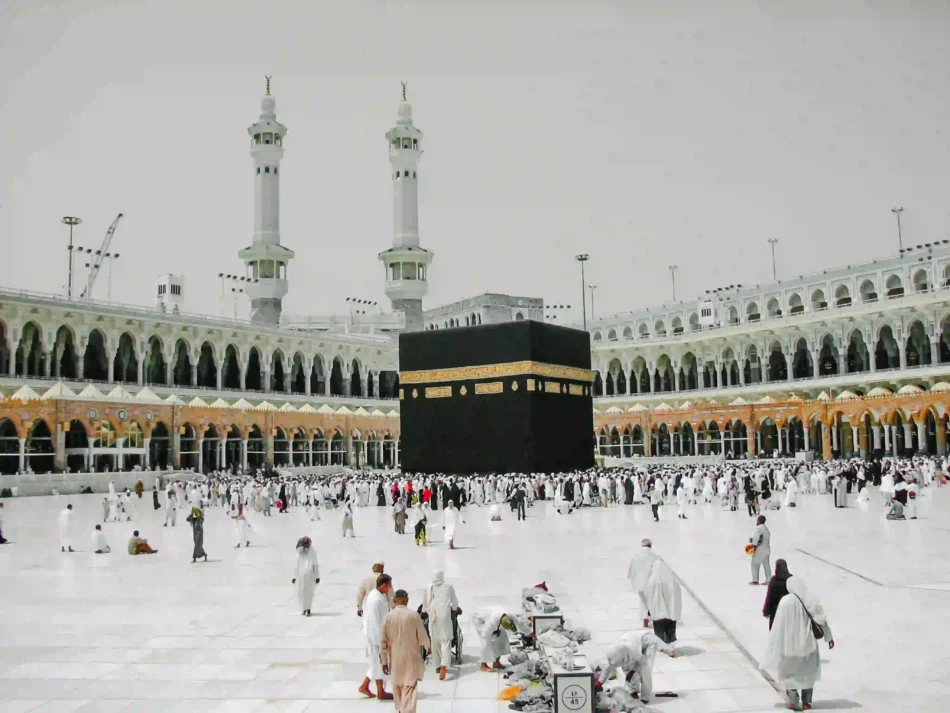
Some journeys are remembered for the places you visit. Others stay with you because of the people you shared them with.
For many British Muslim families, Ramadan is already a time when generations come together. Parents, children and grandparents gather around the same table for Iftar, visit the mosque together and share traditions that have been passed down over the years.
Now imagine experiencing that same month in Makkah and Madinah.
Travelling for Umrah during Ramadan can turn an already meaningful family month into an experience that different generations remember for years. It is not only about seeing the Kaaba or performing the rites of Umrah. It is also about sharing moments with the people closest to you in a setting that feels very different from everyday life in Britain.
That is part of what makes Ramadan umrah packages from UK appealing to families who want to experience the holy month in the sacred cities.
One Journey, Different Generations
A family travelling for Umrah rarely experiences the journey in exactly the same way.
For grandparents, the pilgrimage may bring memories of an earlier stage of life or fulfil a long-held wish.
For parents, it can be an opportunity to worship while creating meaningful memories with their children.
For younger children, everything may feel new.
The crowds, the languages, the architecture, the atmosphere and the sheer scale of Makkah can make a strong impression.
These different perspectives can exist within the same family.
That is what makes a multigenerational Umrah particularly interesting. Everyone may return home remembering different things, yet those memories all come from the same journey.
Children See Ramadan Differently When They Travel
Children often understand Ramadan through what happens at home.
They know the family routines. They know when Iftar is served. They may attend the local mosque and gradually learn more about fasting and prayer.
Travelling can make those lessons feel much more tangible.
Instead of hearing about Muslims around the world, children can see them.
Instead of imagining the scale of the Muslim community, they can experience it.
Instead of seeing photographs of the Kaaba, they can stand in front of it.
That can create a connection between what children learn and what they experience.
It does not mean every moment will be easy. Children can become tired, overwhelmed or distracted, particularly in an unfamiliar environment.
But those challenges are also part of travelling as a family.
Years later, the difficult moments may become funny family stories.
Grandparents Can Add Another Dimension
Older family members can bring something unique to the experience.
They may have memories of Ramadan from decades earlier. They may remember how their own parents observed the month or how different life was when they were children.
Travelling with grandchildren can allow those memories to become part of a new family story.
A grandparent might explain something about the significance of a place. A parent may share what they learned growing up. A child may ask questions that lead to conversations the family would never have had at home.
In this way, the pilgrimage can become more than a religious journey.
It can become a meeting point between generations.
The Family Dining Table Becomes a Different Kind of Iftar
One of the strongest memories from Ramadan is often food.
At home, families may have favourite dishes that appear every year. Someone may always prepare the same drink, dessert or traditional meal.
During Umrah, Iftar can take on a different character.
Instead of sitting at the usual family dining table, you may find yourself breaking your fast in an entirely different environment.
There may be other families around you.
People may be sharing food.
Strangers may offer dates or drinks.
The simplicity of breaking the fast can become more noticeable.
For children especially, this can demonstrate that Ramadan is not only about what happens inside their own home.
It is a shared experience extending far beyond their immediate family.
A Family Can Learn From the Differences
Travelling together also exposes families to different ways of doing things.
The person beside you may have travelled from another part of the world.
Their family may speak another language or have completely different cultural traditions.
Yet their Ramadan may still contain familiar elements: fasting, prayer, Iftar, generosity and time with family.
Children can learn an important lesson from that.
Different cultures do not necessarily mean different values.
A family can look completely different from yours while sharing many of the same hopes and beliefs.
For parents, these moments can provide opportunities to talk to children about the diversity of Muslims around the world without turning the journey into a classroom.
Sometimes simply experiencing that diversity is enough.
Umrah Gives Families Shared Experiences
Family memories are often created through ordinary events.
A birthday.
A holiday.
A wedding.
A long car journey.
But some experiences become particularly significant because they are shared by people at different stages of life.
Umrah can be one of them.
The family may perform Tawaf together. They may pray in the same sacred environment. They may travel between Makkah and Madinah together and spend evenings discussing what they have seen.
For anyone unfamiliar with the pilgrimage, Wikipedia’s overview of Umrah provides a useful independent introduction to its basic rites and background.
The value of experiencing those rites as a family is difficult to measure.
A child may not fully understand the significance today.
But that memory can stay with them and gain meaning as they grow older.
Not Every Family Member Has the Same Energy
One of the realities of multigenerational travel is that everyone has different needs.
A teenager may want to stay awake late.
A young child may need more rest.
Parents may want to maximize their time in worship.
Grandparents may need a slower pace.
That does not have to become a problem.
It can actually teach families something important about consideration.
A pilgrimage is not a competition.
There is no need for every person to experience every moment in exactly the same way.
Sometimes one family member needs to rest while others continue.
Sometimes children need a break.
Sometimes older relatives need additional support.
Being aware of those differences can make the experience more comfortable for everyone.
The Journey Can Strengthen Family Relationships
Modern family life can be surprisingly fragmented.
Parents work.
Children attend school.
Older relatives may live separately.
Everyone has their own routines, phones, commitments and responsibilities.
A shared journey temporarily removes some of those distractions.
Family members spend more time together.
They talk while travelling.
They eat together.
They pray together.
They experience unfamiliar situations together.
That creates opportunities for conversations that might not happen during an ordinary week in Britain.
A journey cannot magically solve every family disagreement, of course.
But shared experiences can create a stronger sense of connection.
Choosing Ramadan Umrah Packages as a Family
When families begin looking at Ramadan umrah packages, the right option will depend heavily on who is travelling.
A couple travelling alone may have very different priorities from a family with young children and grandparents.
The length of the stay, accommodation arrangements and practical services can all affect the experience.
Current Ramadan options from Haram Trip include different durations and accommodation categories, ranging from shorter stays to longer packages in Makkah and Madinah.
For families, the most important thing is not simply finding the most expensive or cheapest option.
It is finding an arrangement that makes sense for everyone travelling.
A package that works beautifully for two young adults may not be suitable for a family with several generations.
Thinking about the group as a whole can make the journey considerably more enjoyable.
The Memories Continue After Ramadan
Eventually, the family comes home.
The children return to school.
Parents return to work.
Grandparents return to their usual routines.
The familiar British Ramadan environment comes back into focus.
But something remains.
A child may remember seeing the Kaaba for the first time.
A parent may remember praying alongside their own parents.
A grandparent may remember sharing the journey with grandchildren.
Those memories can become part of the family’s history.
And perhaps years later, another generation will hear those stories.
A Journey That Belongs to Everyone
The most valuable part of a family Umrah may not be one particular sight or moment.
It may simply be having everyone there.
Different ages.
Different personalities.
Different memories.
One journey.
One Ramadan.
One shared experience.
For British Muslim families considering Ramadan umrah packages from UK, that may be the most meaningful way to think about the journey.
Not as a holiday that everyone needs to experience in exactly the same way, but as an opportunity for each member of the family to create their own memories while sharing something deeply significant with the people they love.
Because when the journey is over, the photographs may eventually disappear into a phone gallery.
The booking details may be forgotten.
But the family story remains.


