 WhatsApp Us Now
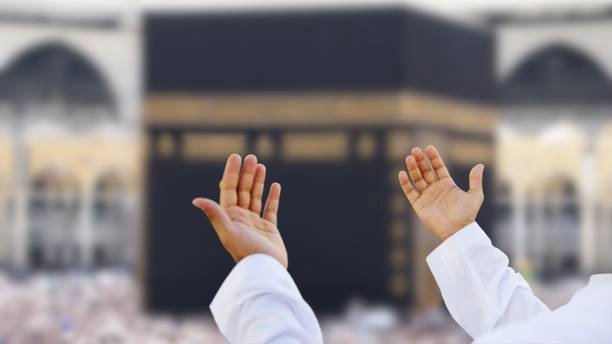
For someone preparing for their first pilgrimage, Umrah can initially seem like a sequence of rituals to learn and complete. But once you begin to understand the stories connected to those rituals, the experience can take on a much deeper meaning.
This is one reason Ramadan Umrah can feel so different from an ordinary trip. The focus is not simply on reaching Makkah. It is on understanding why pilgrims have performed these acts for generations and reflecting on what they represent.
For Muslims travelling with Ramadan umrah packages from Birmingham, that connection between history, worship and personal reflection can become one of the most memorable parts of the journey.
Umrah Is More Than a List of Rituals
Before travelling, it is natural to think about Umrah in practical terms: Ihram, Tawaf, Sa’i and completing the pilgrimage.
These are important parts of the experience, but knowing the names of the rituals is not quite the same as understanding their significance.
Umrah connects a modern pilgrim with traditions that reach back through Islamic history. The rituals are not simply movements around particular places. They carry stories of faith, perseverance, family and devotion.
An independent overview of Umrah explains the basic sequence of its rites, including Tawaf around the Kaaba, Sa’i between Safa and Marwah, and the completion of the pilgrimage through shortening or shaving the hair.
Understanding this background can change the way a pilgrim approaches the experience.
The Kaaba Is Not Simply a Famous Landmark
The first sight of the Kaaba is often described as an emotional moment, but it is worth looking beyond the visual experience.
The Kaaba is at the centre of Masjid al-Haram and has an enormous place in Islamic history and worship. For a pilgrim, standing there means being physically present at a place towards which Muslims around the world turn in prayer.
That can make the experience feel surprisingly personal.
Someone travelling from Birmingham may have spent years praying in a mosque, at home or elsewhere while facing the same direction. In Makkah, that familiar direction becomes a physical place.
The distance between everyday life and the sacred centre of Islamic worship suddenly feels much smaller.
Tawaf Has a Different Meaning When You Understand It
Tawaf can be easy to describe in purely physical terms: pilgrims walk around the Kaaba.
Yet being part of Tawaf can encourage a different kind of reflection.
There are people from different countries, cultures and backgrounds moving together around the same focal point. Languages may differ. Clothing styles and accents may differ. Age and personal circumstances may differ.
Yet everyone has arrived with the same broad purpose.
For someone experiencing Ramadan Umrah for the first time, that can challenge the way they normally think about community.
In Birmingham, a local mosque might bring together people from a particular neighbourhood or community. In Makkah, the sense of community can become much broader.
The experience provides a glimpse of how diverse the global Muslim population is.
Sa’i Carries a Story of Persistence
Among the rituals of Umrah, Sa’i has a particularly powerful historical connection.
Pilgrims walk between Safa and Marwah, following a route associated with Hajar’s search for water for her son, Ismail.
Knowing this story gives the physical act a different context.
The journey is no longer simply about walking between two points. It becomes an opportunity to reflect on persistence during uncertainty.
That idea remains remarkably relatable.
People rarely know exactly how their lives will develop. Careers change, families grow, plans fail and unexpected responsibilities appear. Yet people continue moving forward.
For a pilgrim walking Sa’i during Ramadan, the story can provide a moment to think about perseverance in their own life.
It is a reminder that meaningful journeys are not always straightforward.
Ramadan Adds Another Layer of Reflection
Performing Umrah during Ramadan means experiencing the pilgrimage during a month already associated with fasting, prayer and increased reflection.
That combination can encourage pilgrims to think beyond the individual rituals.
Instead of seeing each part of the pilgrimage as something to complete before moving on, there may be more room to consider what the actions represent.
Fasting can encourage reflection on discipline.
Tawaf can prompt thoughts about unity.
Sa’i can bring attention to perseverance.
The simplicity of Ihram can encourage reflection on what really matters.
None of these reflections has to produce an immediate life-changing revelation. Sometimes the value comes from simply giving yourself enough space to think.
The Power of Simplicity
One of the interesting aspects of pilgrimage is how much unnecessary complexity can fall away.
Modern life tends to be full of choices.
What should you wear? Where should you eat? What should you buy? Where should you go next? What should you do with your free time?
Pilgrimage places greater attention on a small number of meaningful actions.
That simplicity can be surprisingly refreshing.
For travellers from Birmingham, the contrast may become particularly noticeable after leaving behind normal routines. Work, commuting, household responsibilities and social commitments temporarily become less central.
The experience can encourage a useful question:
What actually deserves attention when everything unnecessary is removed?
You May Notice the People More Than the Places
A pilgrimage is naturally connected with important locations, but the people sharing the experience can become just as memorable.
During Ramadan, Makkah brings together Muslims from an enormous range of backgrounds.
You might hear languages you have never heard before. You may stand beside someone from a country you have never visited. A person who lives thousands of miles away may be observing the same Ramadan fast and performing the same pilgrimage rituals.
That experience can make the idea of the global Ummah feel less abstract.
It becomes something you can actually see.
This is one area where Ramadan umrah packages from UK cities such as Birmingham can offer an experience that extends beyond the individual traveller. The journey connects a local Muslim community with a much wider international one.
Birmingham Becomes Part of the Story Too
Travelling to Makkah does not mean leaving your everyday identity behind.
In fact, returning home can make the experience of Birmingham feel slightly different.
A familiar mosque may remind you of prayer in Makkah. A Ramadan meal with family may bring back memories of breaking the fast abroad. A conversation about pilgrimage may remind you of people you met during the journey.
The pilgrimage becomes part of your existing story rather than something completely separate from it.
That is perhaps why memories of Umrah can remain meaningful long after the traveller has returned home.
You Do Not Need to Understand Everything Immediately
There can be a temptation to expect a pilgrimage to produce a perfect emotional experience.
But real experiences are rarely that simple.
Some moments may feel deeply moving. Others may feel ordinary. There may be tiredness, crowds, uncertainty or moments when your attention wanders.
None of that necessarily makes the journey less meaningful.
A pilgrimage is experienced by a real person with real emotions and limitations.
Rather than judging the experience by whether every moment felt extraordinary, it can be more useful to allow yourself to experience it honestly.
Sometimes the significance of a moment only becomes clear weeks or months later.
What You Take Home May Be More Important Than What You Bring Back
Souvenirs are an obvious way of remembering a journey, but the most valuable things brought home from Umrah cannot be placed in a suitcase.
It might be a greater appreciation for prayer.
It might be a stronger connection with family.
It might be a story about someone you met.
It might simply be a memory of standing somewhere that you had spent years imagining.
The important thing is that the experience continues to mean something after the journey has ended.
For someone considering Ramadan umrah packages, that is worth remembering. The goal does not have to be creating a perfect trip filled with unforgettable moments.
It can simply be about being present enough to recognise the meaningful ones when they happen.
Frequently Asked Questions
What are the main rituals of Umrah?
The main rites include entering Ihram, performing Tawaf around the Kaaba, completing Sa’i between Safa and Marwah, and finishing the pilgrimage by shortening or shaving the hair.
Why is Sa’i connected with Hajar?
Sa’i commemorates Hajar’s search for water for her son Ismail. Understanding this background can give the ritual a deeper historical and spiritual context.
Is Ramadan a good time to perform Umrah?
Ramadan is a particularly significant month for Muslims, and many choose to perform Umrah during it. However, the experience can also involve busy conditions, so pilgrims should approach the journey with realistic expectations.
Can people travel for Umrah from Birmingham?
Yes. British Muslims can travel from Birmingham and other UK cities for Umrah. Ramadan umrah packages from UK providers can offer different arrangements depending on the traveller’s requirements.
Are Umrah packages from London the only option for UK travellers?
No. Travellers can depart from different UK cities depending on available flights and travel arrangements. Birmingham is one option, while umrah packages from london are another possibility for those living in or near the capital.
Conclusion
The most interesting thing about Umrah may not be the distance travelled but the connection created between the present and the past.
A pilgrim walking around the Kaaba today is participating in a tradition that has shaped Muslim life for generations. Walking between Safa and Marwah connects the physical journey with a story of perseverance. Meeting Muslims from different parts of the world reveals the diversity of a global community.
For those travelling on Ramadan umrah packages from Birmingham, understanding these stories before arriving can make the experience feel less like a collection of rituals and more like becoming part of a much larger story.
And perhaps that is one of the most lasting things a pilgrimage can offer: not simply memories of where you went, but a deeper appreciation of why you went there in the first place.


