 WhatsApp Us Now
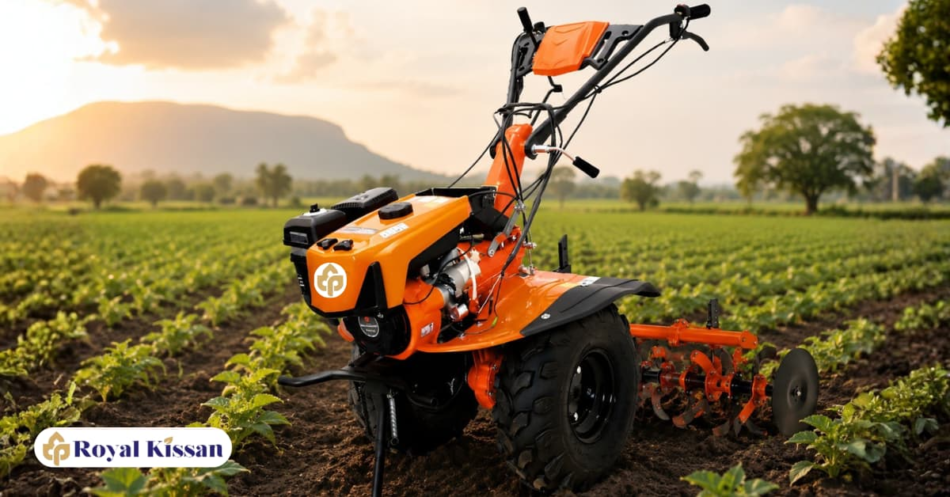
A power weeder is an important agricultural machine for farmers who want to reduce manual labour, improve field efficiency, and complete cultivation and weeding operations faster. However, like any agricultural equipment, a power weeder requires regular maintenance to deliver consistent performance and a long service life.
For farmers in India, proper maintenance is particularly important because power weeders are often used in different soil conditions, temperatures, and farming environments. Dust, mud, moisture, crop residue, and long working hours can affect the engine, blades, gearbox, transmission, and other components.
With regular inspection and timely servicing, farmers can keep their power weeder reliable, efficient, and ready for the next farming season.
Why Power Weeder Maintenance Is Important
Regular maintenance helps prevent unexpected breakdowns and keeps the machine operating efficiently. A properly maintained power weeder can provide smoother operation, better fuel efficiency, improved performance, and longer component life.
The major benefits of regular maintenance include:
- Better machine performance
- Longer engine life
- Improved fuel efficiency
- Reduced repair expenses
- Lower risk of unexpected breakdowns
- Better working efficiency
- Longer blade and gearbox life
- Improved operator safety
For farmers, preventive maintenance is generally more convenient and economical than waiting for a major mechanical problem to occur.
Daily Power Weeder Maintenance
Before and after every use, farmers should perform a basic inspection of the machine.
1. Check the Engine Oil
Engine oil plays an important role in lubricating internal engine components and reducing friction. Check the oil level before operating the power weeder and maintain it according to the manufacturer’s recommended level.
If the oil appears excessively dirty or the level is low, servicing may be required.
Always use the grade of engine oil recommended for your specific Royal Kissan power weeder model.
2. Clean the Air Filter
Agricultural fields contain considerable amounts of dust and soil particles. A dirty air filter can restrict airflow to the engine and affect performance.
Inspect the air filter regularly and clean or replace it according to the manufacturer’s maintenance schedule.
A clean air filter helps the engine receive adequate air and can contribute to efficient operation.
3. Inspect the Rotary Blades
The rotary blades are among the most important working components of a power weeder. Inspect them regularly for:
- Excessive wear
- Cracks
- Bending
- Loose bolts
- Damage
Damaged or excessively worn blades should be replaced promptly. Always switch off the engine and follow appropriate safety procedures before inspecting or handling the blades.
4. Clean the Machine After Use
Mud and soil can accumulate around the blades, gearbox, wheels, and machine body.
After completing field work:
- Switch off the engine.
- Allow hot components to cool.
- Remove accumulated soil and crop residue.
- Clean the machine appropriately.
- Dry components that have become wet.
- Inspect the machine for damage.
Keeping the power weeder clean makes it easier to identify problems before they become serious.
Weekly Power Weeder Maintenance
For machines used frequently, a more detailed inspection should be performed regularly.
Check Bolts and Fasteners
Vibration during agricultural operations can gradually loosen nuts and bolts. Inspect important fasteners and tighten them according to the manufacturer’s specifications.
Do not overtighten components because excessive force can damage threads or parts.
Inspect the Gearbox
The gearbox transfers power from the engine to the working mechanism. Check the gearbox for unusual noise, leakage, or other signs of a problem.
Gear oil should be checked and replaced at the intervals specified by the manufacturer.
Inspect the Drive System
Examine the transmission and drive components for unusual wear, looseness, or damage. Any abnormal noise or vibration should be investigated by a qualified technician.
Power Weeder Maintenance for Indian Conditions
India has highly diverse agricultural conditions. Farmers may operate power weeders in dry, dusty regions as well as humid, muddy, or high-moisture environments.
Hot and Dusty Conditions
In hot and dusty areas, pay particular attention to:
- Air-filter cleanliness
- Engine cooling
- Oil levels
- Dust accumulation
- Moving components
Dust can enter mechanical components and accelerate wear if the machine is not maintained properly.
Wet and Muddy Fields
When working in wet conditions, clean the machine thoroughly after operation. Moisture and mud should not be allowed to remain on metal components for extended periods.
Dry the machine before storage and inspect areas that may be vulnerable to corrosion.
Long Working Hours
When a power weeder is operated continuously for extended periods, regular breaks and inspections can help identify overheating, loose components, unusual vibration, or other problems early.
Always follow the operating and maintenance instructions supplied with the specific machine.
Diesel Power Weeder Maintenance
Diesel power weeders are commonly selected for applications requiring strong torque and extended operation. Proper engine maintenance is essential for dependable performance.
Farmers should pay attention to:
- Engine oil level and condition
- Fuel quality
- Air filter
- Fuel filter
- Cooling system
- Fuel lines
- Battery, where applicable
- Engine starting performance
If the engine becomes difficult to start, produces unusual smoke, loses power, or consumes significantly more fuel than normal, professional inspection may be necessary.
Power Weeder Blade Maintenance
The blades directly interact with soil, making them susceptible to wear.
Regularly inspect the blades and ensure they remain properly secured. Dull or damaged blades can reduce cultivation efficiency and may increase the effort required from the machine.
Replacement blades should match the manufacturer’s recommended specifications. Using unsuitable components can affect machine performance and safety.
Fuel System Maintenance
Fuel quality is important for reliable engine performance. Always use clean fuel that meets the engine manufacturer’s requirements.
Avoid storing fuel for unnecessarily long periods and keep fuel containers clean and properly sealed.
If fuel contamination is suspected, consult an authorised technician rather than continuing to operate the machine.
Power Weeder Storage Guide
Proper storage is especially important when the machine will not be used for several weeks or months.
Before storing your power weeder:
- Clean soil and crop residue from the machine.
- Inspect the blades and working components.
- Check engine oil and other fluids.
- Store the machine in a dry, covered area.
- Protect it from excessive moisture.
- Keep it away from direct weather exposure.
- Follow the manufacturer’s recommendations for long-term fuel storage.
Good storage practices help prevent corrosion and ensure that the machine is ready when the next farming operation begins.
Common Power Weeder Problems and Possible Causes
Power Weeder Is Difficult to Start
Possible causes may include:
- Fuel-related problems
- Dirty air filter
- Engine oil issues
- Starting-system problems
- Fuel-system contamination
If basic checks do not resolve the problem, professional servicing is recommended.
Power Weeder Is Losing Power
Loss of power may result from a restricted air filter, fuel-system issue, engine problem, excessive load, or worn components.
Avoid operating the machine continuously when it is showing significant performance problems.
Excessive Vibration
Unusual vibration can be associated with damaged or improperly fitted blades, loose components, uneven wear, or other mechanical issues.
Stop the machine safely and inspect it before continuing operation.
Unusual Noise
Grinding, knocking, or other unusual sounds should not be ignored. Continuing to operate machinery with abnormal mechanical noise can potentially increase damage.
Contact a qualified technician or authorised service provider for inspection.
Recommended Maintenance Schedule
A practical maintenance routine can be divided into three levels:
| Maintenance Activity | Recommended Frequency |
|---|---|
| General visual inspection | Before every use |
| Engine oil check | Before operation / as specified |
| Air filter inspection | Regularly, more often in dusty conditions |
| Blade inspection | Before and after use |
| Cleaning | After every use |
| Bolt and fastener inspection | Regularly |
| Gearbox inspection | According to manufacturer schedule |
| Engine servicing | According to model manual |
| Long-term storage preparation | Before extended storage |
The exact service intervals can vary depending on the Royal Kissan model, engine type, operating hours, soil conditions, and manufacturer recommendations. Always refer to the specific owner’s manual for precise service intervals.
Why Choose Royal Kissan for Power Weeders in India?
Royal Kissan is focused on providing dependable agricultural machinery designed around the practical requirements of Indian farmers. Our power weeder solutions are developed to support operations such as weed control, soil preparation, inter-cultivation, and other agricultural applications.
When selecting a power weeder, farmers should consider not only engine power and features but also service support, spare-parts availability, ease of maintenance, and overall machine reliability.
Royal Kissan aims to provide farmers with machinery backed by quality manufacturing and customer-focused support.
Final Thoughts
A power weeder can become a valuable long-term investment when it is operated correctly and maintained regularly. Simple practices such as checking engine oil, cleaning the air filter, inspecting blades, tightening fasteners, cleaning the machine after use, and following the recommended service schedule can make a significant difference.
For farmers across India, proper maintenance is especially important because agricultural machines often work in demanding environments. Whether you use a mini power weeder, 7 HP power weeder, or 9 HP diesel power weeder, regular care helps maintain performance and reliability.
Royal Kissan is committed to supporting modern Indian agriculture with reliable agricultural machinery and practical farming solutions. By combining the right machine with proper maintenance, farmers can improve operational efficiency, reduce unnecessary downtime, and get greater value from their agricultural equipment.


