 WhatsApp Us Now

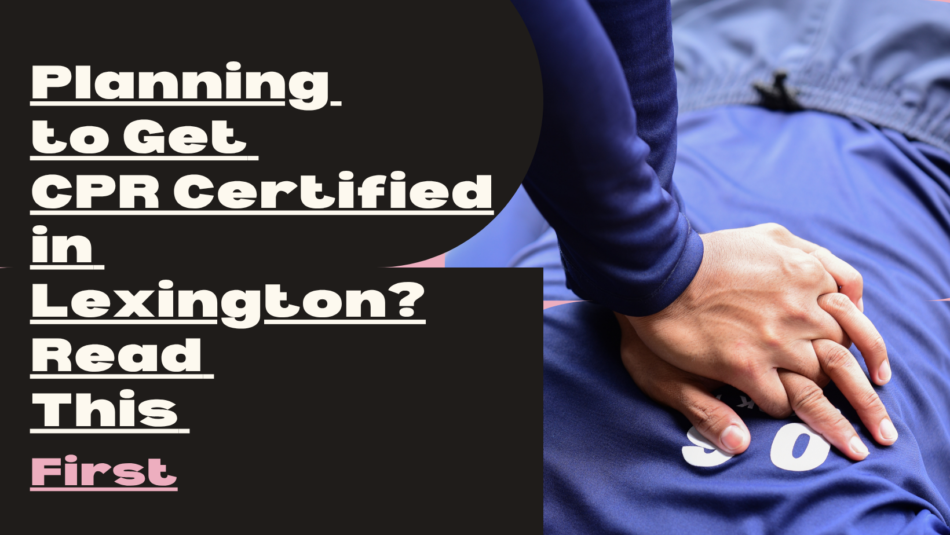
Knowing how to respond in a medical emergency can mean the difference between life and death. Sudden cardiac arrest claims thousands of lives every year. Whether you work in a hospital, a private clinic, or simply want to be prepared to protect your family and neighbors, having the right emergency response skills is absolutely essential. If you are looking to get certified or renew your existing credentials, finding high-quality CPR Training in Lexington is the most important first step toward making a real difference in your community. From basic chest compressions to advanced life-saving interventions, these comprehensive courses equip everyday heroes and seasoned medical professionals with the critical tools they need to act fast and confidently when seconds matter most.
The Foundation of Emergency Care
When most people think of resuscitation, they picture basic chest compressions and rescue breaths. While these are undoubtedly critical components of saving a life, the medical field relies on a highly structured, tiered approach to emergency cardiovascular care. The foundation of this entire system starts with basic life support. For anyone entering the healthcare field, working in public safety, or serving as a first responder, obtaining an American Heart Association BLS certification is entirely non-negotiable. This vital course teaches the fundamental skills needed to quickly recognize life-threatening emergencies, provide high-quality chest compressions, deliver appropriate ventilations, and use an automated external defibrillator (AED).
Unlike basic layperson courses that focus strictly on community response, the BLS curriculum emphasizes a strict team-based approach. Medical professionals rarely work in a vacuum; they rely on coordinated, multi-disciplinary efforts during a code blue situation. By learning the precise algorithms, rhythm checks, and team dynamics outlined in the BLS guidelines, healthcare providers ensure a seamless transition from basic care to advanced medical interventions. This foundational knowledge sets the stage for more specialized, higher-level certifications that build upon these core competencies.
Elevating Care for Adults in Crisis
Once you have mastered the basics, the next logical step for many healthcare professionals is advanced cardiovascular life support. Designed specifically for those who lead or actively participate in the management of cardiopulmonary arrest and other severe cardiovascular emergencies, the American Heart Association ACLS program builds directly upon the bedrock of BLS. This advanced training focuses heavily on the importance of continuous, high-quality CPR and integrates advanced pharmacological interventions, advanced airway management, and early defibrillation protocols.
ACLS emphasizes the rapid recognition of various life-threatening heart rhythms, such as ventricular fibrillation, pulseless ventricular tachycardia, and symptomatic bradycardia. Providers learn how to navigate complex algorithms to administer the right medications like epinephrine and amiodarone at exactly the right time. Furthermore, the training places a massive emphasis on effective team communication, closed-loop communication strategies, and leadership during high-stress situations. Beyond the immediate arrest scenario, ACLS also covers post-cardiac arrest care, acute stroke management, and acute coronary syndromes. When seconds count, a well-coordinated team operating under ACLS protocols can dramatically improve patient survival rates and neurological outcomes.
Specialized Care for the Youngest Patients
Treating children and infants in distress requires an entirely different skill set, specialized equipment, and a completely different mindset compared to treating adult patients. Pediatric emergencies are incredibly high-stakes, emotionally charged, and require precise, weight-based medication calculations. To prepare for these unique and challenging situations, medical professionals turn to the American Heart Association PALS certification. The primary goal of this course is to improve the quality of care provided to seriously ill or injured children, ultimately resulting in improved survival rates and better long-term outcomes.
PALS training covers a wide array of critical pediatric topics, including systematic pediatric assessments, respiratory emergencies, shock management, and cardiopulmonary arrest. Participants learn how to use the pediatric assessment triangle to quickly evaluate a child’s appearance, work of breathing, and circulation to the skin. This allows for rapid intervention before a child deteriorates into a full arrest. Because pediatric dosing and equipment sizes vary drastically based on the child’s weight and size, the PALS curriculum utilizes specialized tools like the Broselow tape to ensure that providers can act confidently and accurately when treating their smallest, most vulnerable patients.
Choosing the Right Program Locally
Finding a reliable, high-quality certification center is just as important as the curriculum itself. You want a program that offers flexible scheduling, up-to-date training materials, and a stress-free learning environment. When you enroll in a local program for CPR Training in Lexington, you are making a direct investment in both your professional career and the safety of your local community. Local training centers often provide a convenient mix of in-person skills sessions and online coursework, making it significantly easier for busy nurses, doctors, paramedics, and therapists to maintain their credentials without sacrificing their already demanding work-life balance.
Moreover, local courses foster a strong sense of community among area healthcare workers. Practicing codes and emergency scenarios with peers from nearby hospitals, dental offices, and clinics helps build local networks that prove invaluable during real-world emergencies. You get to learn the specific regional protocols and resources available in your geographic area, which is a distinct advantage over taking a generic, out-of-state online course. By training locally, you build relationships with the exact people you will likely be working alongside during a real medical crisis.
What to Expect During Your Course
Walking into a certification class for the first time or even attending a renewal course after years in the field can feel intimidating. However, these courses are specifically designed to be supportive, interactive, and highly practical. You will spend time reviewing the most current clinical guidelines and scientific research, and then immediately apply that knowledge through hands-on practice with medical equipment and specialized training manikins. Whether you are practicing bag-valve-mask ventilation for your BLS renewal or running a simulated megacode for your ACLS and PALS certifications, the focus is always on building vital muscle memory and clinical confidence.
Many centers now offer blended learning options, allowing you to complete the cognitive portion of the course at your own pace online before attending a shorter, focused hands-on skills session. Testing typically involves a standard written exam and a practical skills evaluation. The goal is never to trick you but to ensure you have a firm, actionable grasp of the material. Once you successfully pass, you will receive your official certification e-card, which is valid for two years. This two-year cycle keeps healthcare professionals up to date with the latest evidence-based practices, as emergency cardiovascular care guidelines are periodically updated to reflect new scientific discoveries.
Maintaining Your Skills and Confidence
Earning your certification is just the beginning of your journey. The true value of the training lies in how well you retain and apply the information over time. Psychomotor skills degrade quickly if they are not practiced regularly. That is why many proactive healthcare facilities encourage ongoing mock codes, surprise drills, and regular skills check-offs. By keeping your certifications current and engaging in continuous practice, you ensure that you are always ready to act decisively.
Furthermore, holding active, unexpired certifications opens doors for career advancement. Many hospitals and healthcare systems require current BLS, ACLS, and PALS credentials as a strict condition of employment, especially in high-pressure clinical areas like the emergency department, intensive care unit, and operating room. Staying on top of your renewal schedule shows your current and future employers that you are deeply dedicated to maintaining the highest standards of patient care and safety.
Conclusion
Medical emergencies are inherently unpredictable, but your response to them does not have to be. By obtaining your credentials through a trusted, local provider, you prepare yourself to handle whatever critical situation comes your way. From the foundational skills taught in basic life support to the complex algorithms of advanced cardiovascular and pediatric life support, every single tier of training plays a vital role in the chain of survival. Do not wait until you are faced with a devastating crisis to realize the importance of these life-saving skills. Take the time to get certified, practice your craft regularly, and be the reliable, confident professional your community needs when minutes matter most.


