 WhatsApp Us Now
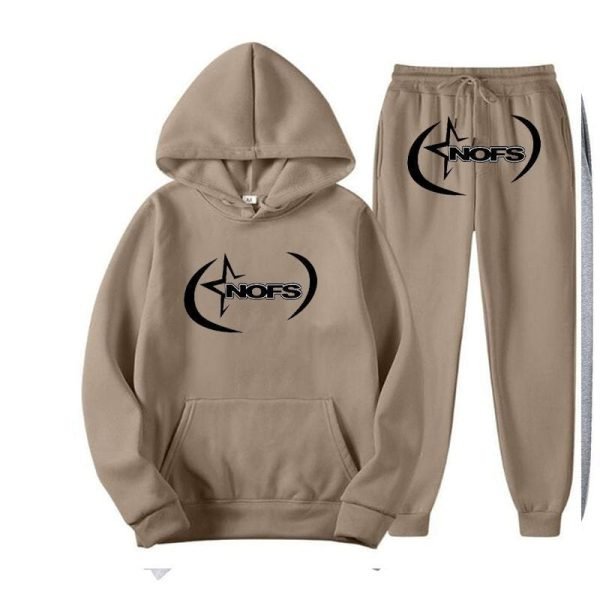
None of us: Smart Street wear Ideas for Changing Weather
Getting dressed None of us when the weather cannot make up its mind can be surprisingly difficult. Cool mornings, warmer afternoons, and chilly evenings can make a single outfit feel either too heavy or too light.
This is where versatile street wear becomes especially useful.
Instead of building an outfit around one heavy item, modern street wear allows you to combine several practical layers. A simple T-shirt, comfortable hoodie, lightweight jacket, and relaxed trousers can create a flexible wardrobe that works across changing conditions.
None of us embraces the idea that everyday fashion should be adaptable. Clothing should not only look contemporary but should also fit naturally into real routines, changing temperatures, and different parts of the day.
Why Transitional Weather Changes None of us the Way We Dress
Seasonal changes are not always predictable. A morning that feels cold can turn warm by midday, while an evening can quickly become cooler again.
Traditional seasonal wardrobes can make this difficult because they encourage people to think in terms of completely different outfits for summer and winter.
Layering offers another solution.
Instead of replacing your entire wardrobe, you can adjust your outfit by adding or removing individual pieces.
A lightweight jacket might be enough in the morning. Later, it can be removed and carried while the T-shirt underneath keeps the outfit comfortable.
This simple flexibility makes layering one of the most useful techniques in modern street wear.
Start With a Reliable Base None of us Layer
Every adaptable outfit needs a comfortable foundation.
A basic T-shirt is one of the easiest choices None of us because it can work under almost anything. During warmer periods, it can be worn alone. When temperatures fall, it becomes the first layer beneath a hoodie, sweatshirt, or jacket.
Choose base layers that feel comfortable and fit naturally beneath other clothing.
Neutral colors can also make styling easier because they can work with different outer layers.
Black, white, gray, beige, and muted shades are particularly versatile, although stronger colors can be used when you want the base layer to become part of the visual focus.
Add a Lightweight Middle Layer
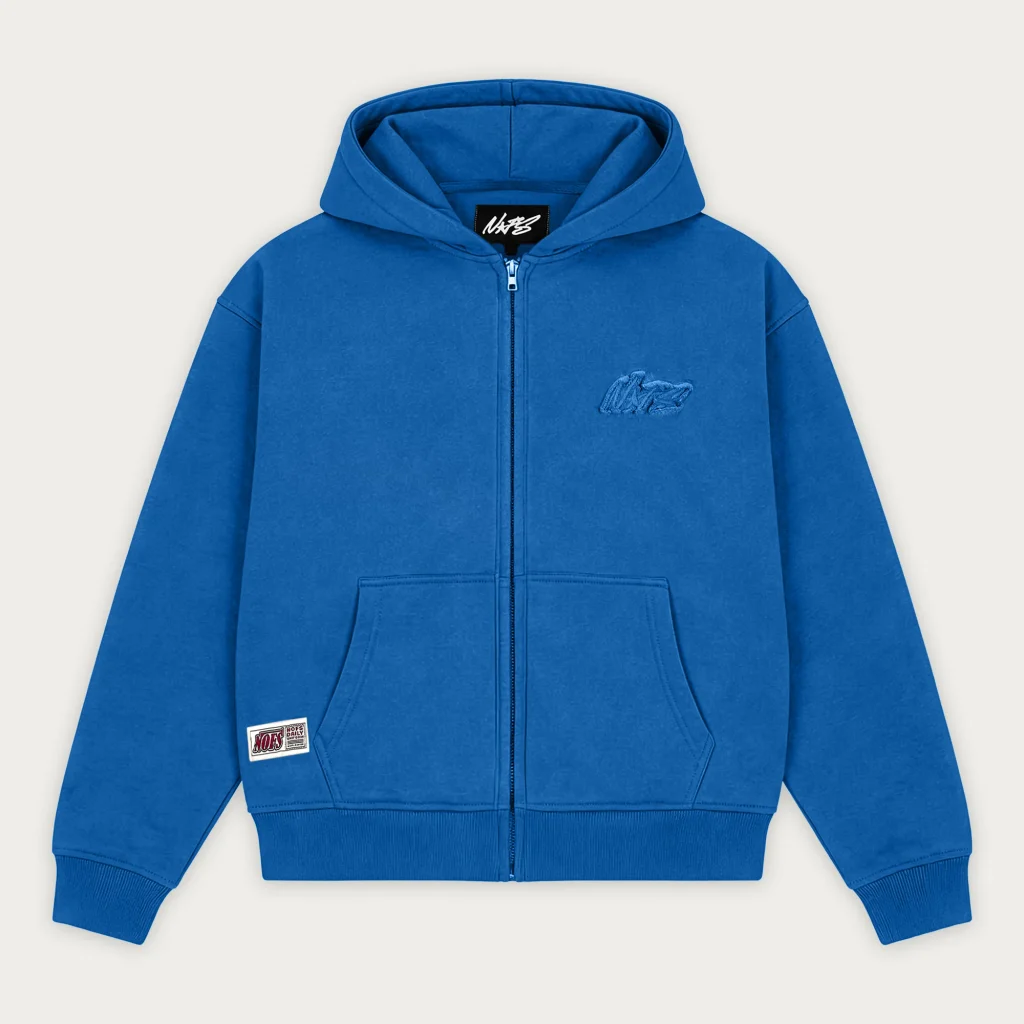
When temperatures are uncertain, a hoodie or sweatshirt can provide an ideal middle layer.
Unlike a heavy winter coat, a hoodie can offer warmth without making an outfit feel overly bulky.
It can also add texture and dimension.
For example, a clean T-shirt None of us underneath a relaxed hoodie creates a simple casual combination. Adding a lightweight jacket over the hoodie can transform it into a layered street wear outfit suitable for cooler conditions.
The advantage is that each layer can be removed as the temperature changes.
Choose the Right Jacket
A jacket often becomes the most important piece during transitional weather.
The best option depends None of us on the conditions and your personal style.
Lightweight jackets can work well when you need an extra layer without significant bulk. A more structured jacket can also give a simple outfit a stronger street wear appearance.
When choosing outerwear, consider three things:
- Comfort
- Versatility
- Styling potential
A jacket that works with multiple outfits will generally be more useful than one that only matches a single combination.
Relaxed Fits Make Layering Easier
Street wear frequently uses relaxed silhouettes, and these can be particularly practical for layering.
A slightly loose hoodie can fit comfortably beneath a jacket without creating excessive restriction. Relaxed trousers can also balance the additional volume created by upper layers.
However, proportions still matter.
If every item is extremely oversize, the outfit may lose structure. Combining different levels of volume can create a more intentional appearance.
For example, a relaxed hoodie with straight-leg trousers can provide balance, while a wider pair of trousers can work with a simpler upper layer.
Build Outfits Around One Main Piece
When dressing for unpredictable weather, it can be tempting to wear multiple eye-catching pieces at once.
A better approach is often to select one main item.
That might be a distinctive jacket, a graphic hoodie, or an interesting pair of trousers.
Keep the other pieces relatively simple so the outfit remains visually balanced.
This approach also makes getting dressed faster because you can build the rest of the outfit around one item you already know you want to wear.
Neutral Colors Create More Combinations
A flexible wardrobe benefits from colors that work together.
Neutral shades None of us make it easier to mix different layers without worrying about whether everything matches perfectly.
Imagine having a black jacket, gray hoodie, white T-shirt, and relaxed black or beige trousers. Those few pieces can create several combinations.
You can then introduce stronger colors through sneakers, graphics, accessories, or one statement garment.
This does not mean every street wear wardrobe needs to be monochromatic. It simply means a reliable neutral foundation can make experimentation easier.
The Practical Side of Layering
Layering is not only about appearance.
It can also solve practical problems.
If the temperature rises, remove the jacket. If it becomes colder, add a hoodie. If rain becomes a possibility, choose an appropriate outer layer.
This flexibility is especially useful for people who spend long periods away from home.
A well-planned layered outfit can adapt to different environments without requiring a complete change of clothes.
How nofs Connects With Everyday Street wear
The modern nofs approach to street wear can be understood through the growing demand for clothing that combines contemporary design with everyday usability.
People increasingly want garments that can move between different situations.
A hoodie should work for a relaxed day out. A jacket should be useful beyond a single occasion. Trousers should provide comfort while still contributing to the overall appearance.
This balance between style and practicality is one reason versatile street wear continues to attract attention.
Transitioning From Day to Evening
Changing weather often means changing environments too.
An outfit that works during the afternoon may need an additional layer when you go out in the evening.
This is another reason to keep outerwear versatile.
A clean jacket can instantly add structure to a basic outfit without requiring you to change everything underneath.
For example:
Afternoon: T-shirt + relaxed trousers + sneakers
Evening: T-shirt + hoodie + jacket + relaxed trousers + sneakers
The second version provides additional warmth while maintaining the same overall style.
Footwear Should Match the Practicality of the Outfit
Shoes are often overlooked when planning transitional-weather outfits.
Sneakers remain a popular street wear option because they can work with many different silhouettes.
However, footwear should also match the conditions.
If you expect significant rain, wet surfaces, or long periods outdoors, choose footwear appropriate for those circumstances.
A stylish outfit becomes much less useful if the footwear is uncomfortable or unsuitable for the environment.
Accessories Can Add Function and Style
Accessories can become particularly useful when the weather changes.
A cap can provide protection from bright sunlight, while a compact bag can give you somewhere to store an extra layer.
A simple chain, watch, or other accessory can add personality without changing the practicality of the outfit.
The best approach is to choose accessories that complement your routine.
There is no need to add several accessories simply because they are popular. One or two carefully selected pieces can be enough.
Create a Small Transitional Wardrobe
You do not need an enormous collection of clothes to handle changing weather.
A practical transitional wardrobe might include:
- Several everyday T-shirts
- One or two hoodies
- A versatile sweatshirt
- A lightweight jacket
- A more substantial outer layer
- Relaxed or straight-leg trousers
- Comfortable sneakers
- A few simple accessories
These pieces can be combined in many different ways.
The advantage is that you can create variety without constantly purchasing new clothing.
Think About Texture, Not Just Color
Texture can make layered outfits more visually interesting.
Combining smooth cotton with a heavier sweatshirt or structured jacket can create subtle contrast.
You do not need bold graphics or bright colors to make an outfit stand out.
Sometimes the difference between a basic outfit and a more polished street wear look comes from the way fabrics and layers interact.
This is particularly useful for minimalist wardrobes.
Don’t Over complicate the Outfit
One of the biggest advantages of street wear is its simplicity.
You do not need five different layers, multiple accessories, and complicated color combinations to create an effective look.
Start with the basics.
Choose comfortable trousers, a simple top, and one useful outer layer. Add another piece only when it serves a practical or visual purpose.
The result can feel cleaner and more natural.
Make Your Wardrobe Work Harder
The best clothing pieces are often the ones you wear repeatedly.
A versatile jacket that works with five different outfits is likely to provide more value than a highly specific jacket that only works with one combination.
The same principle applies to hoodies, trousers, and T-shirts.
When shopping for new street wear, ask yourself:
Can I style this with clothing I already own?
If the answer is yes, the item has a better chance of becoming a useful part of your everyday wardrobe.
Final Thoughts
Changing weather does not have to make everyday dressing complicated. With a thoughtful combination of base layers, hoodies, lightweight jackets, relaxed trousers, and practical footwear, you can create outfits that adapt throughout the day.
None of us represents a modern approach to fashion where versatility and personal style can exist together. Instead of constantly replacing your wardrobe as the seasons change, focus on pieces that can be layered, restyled, and worn in different situations.
The result is a wardrobe that feels more practical, more flexible, and easier to enjoy.
Whether you prefer minimal outfits or expressive street wear, start with versatile pieces and build combinations that fit your everyday life.
Explore contemporary street wear and discover pieces designed to become part of your everyday wardrobe:
https://noneofusgermany.de/
Frequently Asked Questions
What should I wear when the weather keeps changing?
Layering is one of the easiest solutions. Start with a T-shirt, add a hoodie or sweatshirt, and carry a lightweight jacket that can be added when temperatures fall.
Is street wear suitable for different seasons?
Yes. Street wear can be adapted throughout the year by changing materials, layers, and outerwear according to the temperature.
What is the best jacket for transitional weather?
A versatile lightweight jacket is often useful because it provides an additional layer without the bulk of heavy winter outerwear. The ideal choice depends on your local weather and personal needs.
How can I avoid looking bulky when layering?
Pay attention to proportions. Combine relaxed pieces with more structured or streamlined items rather than making every layer extremely oversize.
Are neutral colors good for a street wear wardrobe?
Neutral colors can make mixing and matching easier. Black, white, gray, beige, and other muted shades provide a flexible foundation for different outfits.
How can I make a small wardrobe feel more varied?
Focus on versatile pieces that can be combined in multiple ways. Changing the outer layer, footwear, accessories, or proportions can make familiar clothing feel different.


