 WhatsApp Us Now
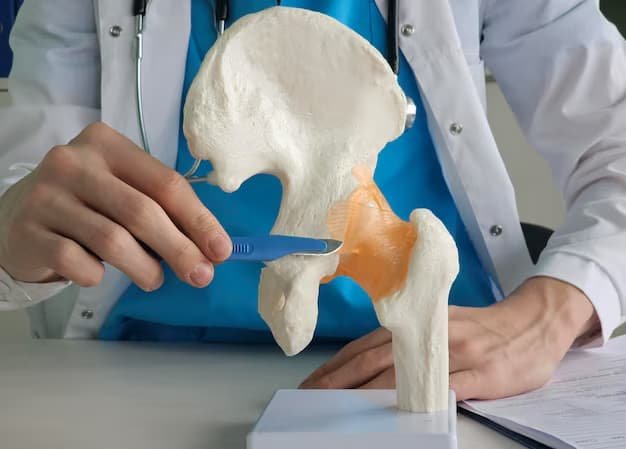
Hip pain can gradually change everyday life. Walking for a few minutes may become uncomfortable, climbing stairs can feel difficult, and activities that once seemed effortless may require careful planning. When pain continues despite appropriate non-surgical treatment, hip replacement may become an option worth discussing with an orthopedic specialist.
Modern surgical techniques have made hip replacement a well-established procedure for patients with severe joint damage. However, choosing surgery is a significant decision. Understanding the diagnosis, available options, preparation, recovery, and the surgeon’s experience can help you approach treatment with greater confidence.
If you are considering Best Hip Replacement Surgery in Jaipur, here are some important things to know before making a decision.
When Does Hip Replacement Become Necessary?
Not every patient with hip pain needs surgery.
Hip discomfort can result from osteoarthritis, previous injury, avascular necrosis, fractures, cartilage damage, or other conditions. In earlier stages, treatment may include physiotherapy, exercise, lifestyle changes, medication, or activity modification.
Hip replacement is generally considered when joint damage becomes advanced and pain or stiffness continues to interfere with everyday activities despite appropriate treatment.
Difficulty walking, persistent night pain, reduced hip movement, trouble getting into or out of a chair, and problems putting on shoes or socks can all be signs that the condition needs specialist evaluation.
The decision should be based on your symptoms, examination, imaging, overall health, and quality-of-life limitations.
What Happens During Hip Replacement?
Hip replacement involves removing damaged portions of the hip joint and replacing them with artificial components designed to restore smoother movement.
The exact surgical approach and implant selection can vary depending on factors such as bone quality, age, activity level, anatomy, and the extent of joint damage.
Modern surgical planning allows specialists to carefully assess the joint before the procedure. The aim is to restore comfortable movement while maintaining stability and appropriate function.
Patients should discuss the proposed approach with their surgeon and understand why it has been selected for their particular condition.
Experience Matters When Choosing a Surgeon
Technology and modern implants are valuable, but the surgeon’s experience remains an important part of hip replacement care.
An experienced orthopedic specialist understands how different joint conditions can affect surgical planning and recovery. They can also recognize when a patient may benefit from another treatment rather than immediately recommending replacement.
Dr. Arun Partani has more than 20 years of experience in orthopedic and joint replacement care. His qualifications include MS, DNB, FJRS, FAA (Germany), and OLC (Hong Kong).
His expertise includes hip and knee replacement, robotic-assisted knee replacement, shoulder replacement, knee arthroscopy, ACL reconstruction, sports injuries, ligament conditions, and other orthopedic problems.
Don’t Choose a Surgeon Based Only on Location
Convenience can be helpful when choosing an orthopedic clinic, but experience and treatment expertise should remain important considerations.
For example, someone searching for a Best Knee Replacement Surgeon in Tonk Phatak may find several options nearby, but it is worth evaluating the specialist’s experience, surgical expertise, treatment philosophy, and rehabilitation support before making a decision.
The same principle applies when selecting a hip replacement specialist. The quality of assessment and individualized treatment planning can have a significant influence on the overall patient experience.
Preparing for Surgery
Good preparation can make the transition into recovery easier.
Before surgery, your orthopedic team may review your medical history, medications, general health, mobility, and any existing medical conditions. Some patients may need certain health issues addressed before proceeding.
It can also be helpful to prepare your home, arrange assistance during the initial recovery period, and understand the exercises and mobility instructions that may be introduced after surgery.
Knowing what to expect can reduce uncertainty and help you participate more actively in your recovery.
What About Knee Problems?
Patients dealing with hip arthritis sometimes experience changes in the way they walk. Over time, altered movement can place additional stress on the knees and other joints.
Similarly, longstanding knee arthritis can affect posture and walking mechanics.
A comprehensive orthopedic evaluation can help identify whether more than one joint is contributing to mobility problems.
Patients with advanced knee arthritis may require Knee Replacement Surgery in Jaipur, while selected individuals may benefit from consultation with a Robotic Knee Replacement Surgeon when robotic-assisted treatment is appropriate.
Treating the correct source of pain is essential for achieving meaningful improvement.
Recovery Requires Patience
Hip replacement can help reduce pain and improve mobility, but recovery is a gradual process.
Patients generally work toward improving walking ability, muscle strength, balance, flexibility, and confidence. Physiotherapy and prescribed exercises play an important role.
The speed of recovery varies between individuals. Age, general health, muscle strength, activity level, and adherence to rehabilitation can all influence progress.
Rather than expecting an identical timeline, patients should focus on consistent improvement under the guidance of their orthopedic team.
Your Lifestyle Should Be Part of the Discussion
A treatment plan should consider what you want to do after recovery.
Perhaps your goal is to walk comfortably around your neighbourhood. Maybe you want to return to work, travel, exercise, or spend more active time with your family.
Tell your surgeon about these goals.
Understanding your lifestyle helps your orthopedic specialist provide realistic guidance about rehabilitation and returning to different activities.
The purpose of Hip Replacement is not simply to replace a damaged joint. It is to help restore useful movement and improve quality of life.
Comprehensive Care at Partani Clinic
At Partani Clinic, Dr. Arun Partani provides comprehensive orthopedic treatment for conditions affecting the hip, knee, shoulder, ligaments, cartilage, and sports-related injuries.
His treatment expertise includes hip replacement, total and robotic-assisted knee replacement, knee arthroscopy, ACL reconstruction, shoulder replacement, and sports injury management.
This broad experience allows patients to receive an overall assessment rather than treating one painful joint in isolation.
The focus is on understanding the underlying condition and recommending an appropriate treatment based on the patient’s needs.
Questions to Ask Before Surgery
Before deciding on hip replacement, patients should feel comfortable asking questions.
You can discuss why surgery is being recommended, whether non-surgical alternatives remain available, what type of implant may be used, what the expected recovery involves, and when you may return to specific activities.
It is also reasonable to ask about the surgeon’s experience with hip replacement and the rehabilitation support available after surgery.
Being well informed can make the decision less overwhelming.
Conclusion
Modern hip replacement can offer significant improvements for patients with advanced joint damage and persistent pain. However, successful treatment starts with an accurate diagnosis, appropriate patient selection, careful surgical planning, and a structured recovery plan.
If you are considering Best Hip Replacement Surgery in Jaipur, choose a specialist based on experience and personalized care rather than technology or location alone.
Patients with knee problems can explore Knee Replacement Surgery in Jaipur, while those who may benefit from advanced technology can consult a Robotic Knee Replacement Surgeon. When searching for a Best Knee Replacement Surgeon in Tonk Phatak, the same principle applies: look for comprehensive expertise and an approach that matches your individual condition.
At Partani Clinic, Dr. Arun Partani combines more than two decades of orthopedic experience with modern surgical techniques and patient-focused care, helping individuals make informed decisions and work toward improved mobility, independence, and quality of life.


