 WhatsApp Us Now
A healthy smile makes everyday life easier, from enjoying your favorite meals to speaking with confidence. However, a fractured tooth can quickly turn simple daily activities into painful experiences if left untreated. Fractured Teeth Treatment in Islamabad has become more advanced than ever, offering patients reliable, comfortable, and long-lasting solutions for every type of tooth fracture. Thanks to modern dentistry, restoring a damaged tooth is now faster, safer, and more effective than in the past.Whether your tooth has a small crack or a severe fracture, understanding the available treatment options can help you make informed decisions. In this blog, we’ll explore the causes of tooth fractures, the latest dental treatments, and practical tips to protect your smile for years to come.
Understanding Tooth Fractures
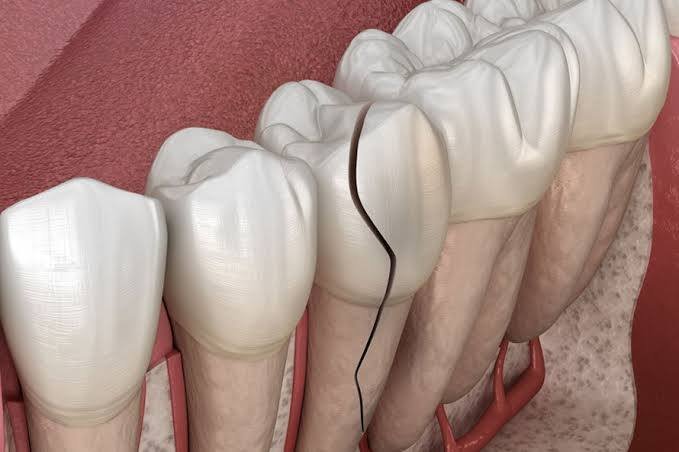
A tooth fracture refers to any crack, chip, or break that affects the structure of a tooth. Fractures can occur on the visible part of the tooth or extend beneath the gum line. Some are minor and only affect appearance, while others can reach the inner pulp, causing pain and increasing the risk of infection.Modern dental technology allows dentists to accurately diagnose fractures and recommend personalized treatments that preserve as much natural tooth structure as possible.
Common Causes of Tooth Fractures
Tooth fractures can happen unexpectedly, but they are often linked to everyday habits or accidents.One of the most common reasons is biting into hard foods such as ice, hard candy, or unpopped popcorn kernels. Sports injuries, falls, and car accidents can also cause teeth to crack or break.Teeth that have large fillings or previous dental work may become weaker over time, making them more susceptible to fractures. Grinding or clenching your teeth during sleep, known as bruxism, places excessive pressure on the enamel and can eventually create cracks.
Age also plays a role because years of chewing naturally wear down the teeth, making them more vulnerable to damage.
Signs That You May Have a Fractured Tooth
Not every fracture is immediately visible. Some cracks are so small that they cannot be seen without professional examination.
Common symptoms include:
- Sharp pain while chewing
- Sensitivity to hot or cold drinks
- Pain that comes and goes
- Swollen gums near the affected tooth
- A rough or chipped edge
- Visible crack or broken portion of the tooth
If you experience any of these symptoms, scheduling a dental appointment promptly can prevent the problem from becoming more serious.
Modern Diagnostic Technology
One of the biggest advancements in dentistry is the ability to detect fractures with exceptional accuracy.Digital X-rays provide detailed images while exposing patients to lower radiation compared to traditional X-rays. Intraoral cameras allow dentists to magnify tiny cracks that may otherwise go unnoticed.Three-dimensional CBCT scans are particularly valuable when fractures extend below the gum line or involve the root. These advanced imaging tools help dentists develop precise treatment plans tailored to each patient’s needs.
Modern Dental Solutions for Tooth Fractures
Today’s dentistry offers numerous effective treatment options depending on the severity and location of the fracture.
Dental Bonding
For small chips and minor cracks, dental bonding is often the quickest solution.The dentist applies a tooth-colored composite resin to repair the damaged area and carefully shapes it to match the natural tooth. Bonding restores both appearance and function while preserving the original tooth structure.The procedure is usually completed in a single visit and requires minimal preparation.
Dental Veneers
If the fracture mainly affects the front teeth and is mostly cosmetic, porcelain veneers may be recommended.Veneers are thin porcelain shells bonded to the front surface of the teeth. They conceal chips, cracks, discoloration, and uneven edges while creating a natural-looking smile.Modern porcelain materials closely resemble natural enamel and provide excellent durability.
Dental Crowns
When a fracture weakens a large portion of the tooth, a dental crown is often the most effective solution.A crown completely covers the damaged tooth, restoring its strength, shape, and appearance. Crowns are commonly made from porcelain, ceramic, zirconia, or porcelain fused to metal.They provide long-term protection and allow patients to chew comfortably again.
Root Canal Therapy for Deep Fractures
If the fracture reaches the tooth’s pulp, bacteria may cause infection or inflammation.In such cases, root canal therapy removes the infected tissue while preserving the natural tooth. After cleaning and sealing the canals, the dentist usually places a crown over the tooth to restore its strength.Modern root canal procedures are far more comfortable than many people expect, thanks to improved techniques and local anesthesia.
Tooth Extraction When Necessary
Although dentists always try to save natural teeth, some fractures extend too deeply below the gum line to be repaired.When a tooth cannot be restored, extraction becomes the safest option. Fortunately, modern tooth replacement options such as dental implants, bridges, and dentures can restore both appearance and chewing ability.Removing a severely damaged tooth also prevents infection from spreading to surrounding tissues.
Dental Implants After Tooth Loss
Dental implants have transformed the way missing teeth are replaced.An implant consists of a titanium post placed into the jawbone, which acts as an artificial tooth root. Once healing is complete, a custom-made crown is attached to the implant.Dental implants look, feel, and function like natural teeth while helping maintain jawbone health and facial structure.
Laser Dentistry for Improved Comfort
Laser technology has introduced a more comfortable approach to many dental procedures.asers can reshape gum tissue, reduce bacteria, and assist during restorative treatments with minimal bleeding and faster healing. Many patients experience less discomfort and quicker recovery compared to conventional methods.This technology continues to improve patient comfort during complex dental procedures.
Personalized Treatment Planning
Every fractured tooth is different, which is why personalized treatment is essential.
Dentists evaluate several factors before recommending the most appropriate solution, including:
- Size and depth of the fracture
- Tooth location
- Condition of the dental pulp
- Patient’s age
- Overall oral health
- Cosmetic expectations
A customized treatment plan ensures the best possible outcome while preserving as much natural tooth structure as possible.
How to Prevent Future Tooth Fractures?
Although accidents cannot always be avoided, many fractures are preventable with good habits.Wear a custom mouthguard during contact sports to protect your teeth from impact. Avoid chewing ice, hard candies, or other extremely hard foods that place unnecessary stress on enamel.If you grind your teeth at night, ask your dentist about a custom night guard. Regular dental checkups also help identify weakened teeth before fractures develop.Maintaining excellent oral hygiene strengthens your teeth and reduces the risk of complications.
Choosing the Right Dental Clinic
Selecting an experienced dental clinic is one of the most important steps in achieving successful treatment.Look for clinics that offer advanced diagnostic equipment, experienced dental professionals, modern restorative materials, and personalized care. Reading patient reviews and discussing treatment options during a consultation can help you feel confident about your decision.High-quality dental care not only repairs fractured teeth but also restores comfort, confidence, and long-term oral health.
Conclusion
A fractured tooth should never be ignored, no matter how small the crack may appear. Modern dentistry provides highly effective solutions that can restore both the appearance and function of damaged teeth while preventing more serious complications. From dental bonding and porcelain veneers to crowns, root canal therapy, and dental implants, today’s treatment options are designed to preserve your natural smile whenever possible. If you notice pain, sensitivity, or visible damage, seeking professional care promptly is the best way to protect your oral health.


