 WhatsApp Us Now

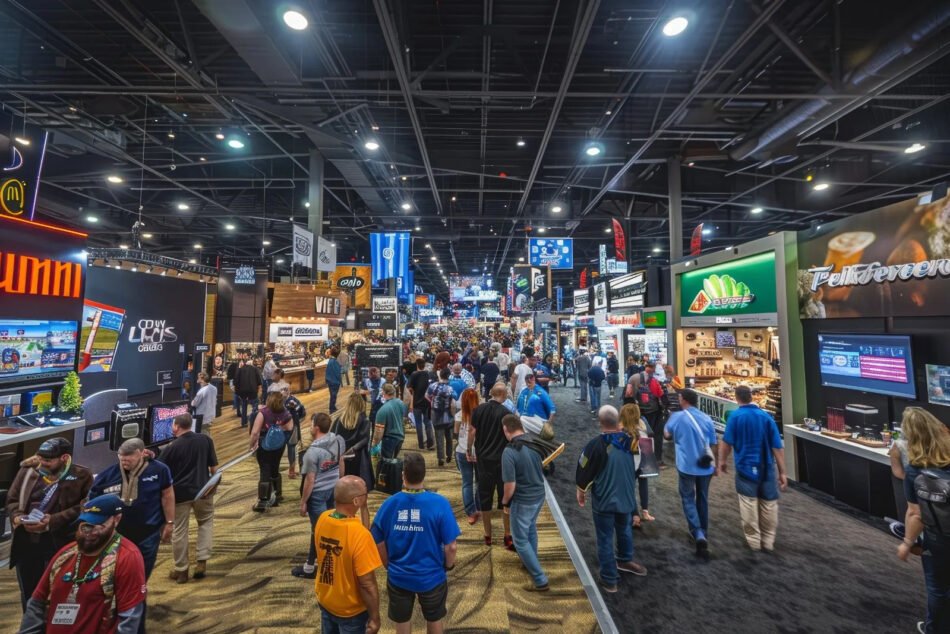
Every exhibitor runs two clocks at once.
The first is the show clock. It is fixed. The doors open when they open, and no amount of effort moves them. The second is the production clock: design approvals, fabrication, graphics, freight, installation. That one can slip, and when it does, it slips toward the show clock, not away from it.
Most missed deadlines at conventions are not dramatic failures. They are small delays that stack. A proof approved two days late. A graphic that needs a reprint. A shipment that leaves a day behind. Each one looks harmless, until the move-in window is a few hours wide and nothing is ready to go in.
This piece looks at the two pressures that break schedules most often, tight move-in windows and last-minute production delays, and at how the right partner among exhibit companies in San Diego keeps both clocks in sync.
Where schedules actually break
Pressure one: the move-in window is smaller than your build
Convention move-in is a scheduled, shared process. Many exhibitors need the same docks, the same freight handlers and the same hall in the same stretch of time. Your slot may be assigned, limited and hard to change, and a booth that takes longer to assemble than the window allows will not be finished by opening.
The usual causes are not exotic. A structure with too many parts. An install plan that assumes more labor hours than were ordered. Freight that arrives outside its delivery time and has to wait. Missing hardware found only once the crates are open.
The lesson is uncomfortable but useful: build time is a design decision. A booth drawn without thinking about how fast it assembles has already taken a risk with your schedule.
Pressure two: production slips at the last minute
The second pressure shows up earlier, and quietly. Graphics need a final approval. A component is delayed by a supplier. A last-minute product change forces a layout adjustment. Each change pushes fabrication a little later, and fabrication has no slack left to give.
What makes this pressure dangerous is that the damage is invisible until late. A booth that is “almost done” three weeks out can still miss the show, because the remaining steps, finishing, crating, freight, do not compress.
Last-minute delays tend to come from three places: decisions that take too long, scope that keeps changing and production schedules that assumed everything would go right.
Working backward from the show floor
The most reliable way to protect a schedule is to build it in reverse. Start at the moment the doors open, then place every step in front of it with a buffer. Here is how that looks in practice. Exact lead times vary by project and by show, so use your exhibitor manual to set real dates.
T-minus 12 weeks or more: decide the big things. Booth size, route (custom, modular or rental), budget and goals are settled. This is also when show deadlines are collected and put on one calendar. Decisions made here cost nothing to change. The same decisions made later cost days.
T-minus 8 to 10 weeks: lock the design. Layout, structure and graphics direction are approved, with a clear cut-off after which changes are treated as change orders. The cut-off feels strict. It is the single most effective protection against last-minute drift.
T-minus 5 to 7 weeks: produce and proof. Fabrication begins, graphics go to print and every proof is reviewed on a fixed turnaround. Delays at this stage are caught while there is still time to fix them.
T-minus 3 to 4 weeks: finish and ship. Production is complete and checked against the drawings. Crating, labeling and freight booking follow the show’s shipping rules, with extra days built into the transit estimate.
T-minus 1 week: confirm everything. Delivery windows, labor orders, on-site contacts and the installation plan are reconfirmed in writing. Any open item now is a flagged risk, not a surprise.
Move-in: install against the plan. A supervisor runs a sequence that was planned long before, and the booth goes up in the order it was designed to. That is the difference between a tight window handled calmly and one handled in a panic.
What the right partner does about it
A good schedule on paper means little unless someone owns it. Among exhibit companies in San Diego, the ones that keep exhibitors on time tend to share a few habits.
They give you dates, not reassurances. A reliable partner hands you a written timeline that works backward from move-in, with a named approval date for every stage. If a company answers “we’ll make it work” and nothing else, that is a warning, not a comfort.
They design for assembly speed. Structures are planned so they go up efficiently, with fewer parts, clear labeling and an install sequence that fits the window you were given. A beautiful booth that cannot be installed in time is a failed booth.
They guard the cut-off. When a change arrives after the design is locked, a good partner tells you what it will cost in time and money before saying yes. That frankness is protective, not rigid.
They keep design, production and logistics talking. When these live in different places, delays hide in the gaps between them. One accountable team sees a slipping proof and a freight booking in the same conversation, and can adjust both.
They plan for the unplanned. Buffers, backup components and a clear escalation path mean a late supplier becomes an inconvenience, not a crisis.
When a rental protects your schedule
Sometimes the safest answer is to avoid the production clock entirely. If your timeline is already tight, or your show is close, trade show booth rental San Diego options can take fabrication risk off the table. The structure already exists, so your remaining work is graphics, logistics and installation, which are far easier to control.
Rentals are not a compromise in every case. For a first-time show, a short timeline or an event you may not repeat, they are often the sensible route. The key is to ask early, because graphics, delivery and show-site orders still carry their own deadlines, and rental inventory is finite.
The clock you can control
You cannot move the day the doors open. You can decide how early your decisions are made, how firmly the design is locked and who is accountable for each deadline in between. Exhibitors who do this rarely have dramatic stories about move-in day. That quiet is the point.
If your next San Diego show is on the calendar, the best time to talk about schedule is before the design begins, not after the first delay.


