 WhatsApp Us Now
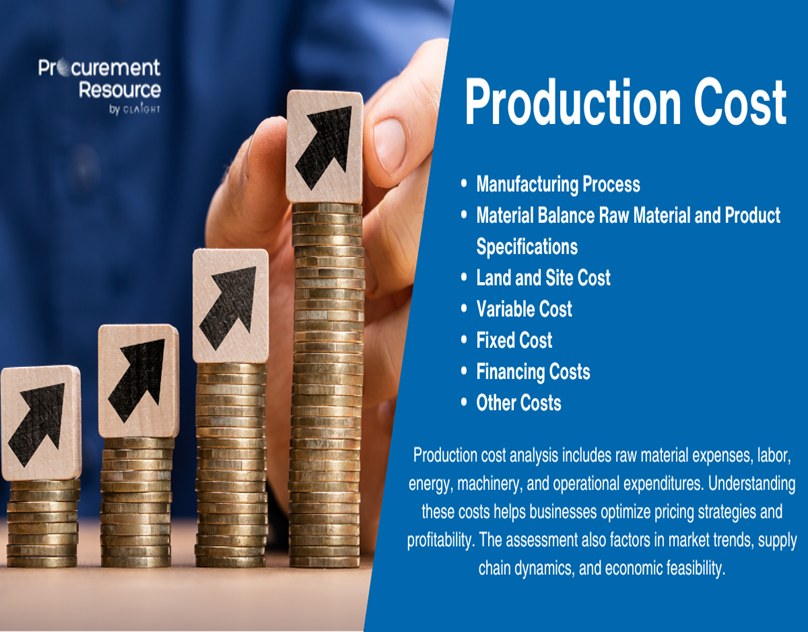
Procurement Resource, a global leader in procurement intelligence and market research, proudly presents its latest Methyl Ester Sulphonate (MES) Production Cost Report. This detailed, data-driven analysis is designed for chemical manufacturers, investors, R&D professionals, and business strategists planning to explore or expand MES production capabilities. The report offers insights into MES’s production cost structure, process flow, raw material requirements, and economic and environmental viability, enabling smarter strategic decisions across the value chain.
Methyl Ester Sulphonate (MES): A Green and Biodegradable Surfactant
Methyl Ester Sulphonate (MES) is an anionic surfactant derived from natural fats and oils, typically palm oil or coconut oil. It is increasingly adopted in detergent formulations as a sustainable alternative to petrochemical-based surfactants like Linear Alkylbenzene Sulphonates (LAS). MES is valued for its excellent detergency, biodegradability, and stability under hard water and high temperature.
Key Applications of MES:
- Laundry detergents (powder and liquid)
- Industrial and institutional cleaners
- Personal care products
- Agricultural wetting agents
As consumer and regulatory demand for environmentally friendly cleaning agents rises globally, MES has emerged as a preferred choice in eco-label formulations, especially in Asia-Pacific and Europe.
Detailed Production Cost Structure and Economic Insights
The MES Production Cost Report by Procurement Resource offers a granular breakdown of capital expenditure (CAPEX), operational costs (OPEX), raw material sourcing, energy use, and labor requirements. By modeling various plant capacities and geographies, the report helps stakeholders benchmark cost efficiency and identify profitability drivers.
Key Elements Covered:
- Feedstock and input cost analysis
- Technology and process flow assessment
- Machinery and infrastructure layout
- Utility and manpower needs
- Regulatory and quality compliance
- Return on Investment (ROI) and profitability modeling
Market Overview: MES Demand and Growth Outlook
With the global shift toward sustainable and plant-derived surfactants, MES is witnessing rising demand across emerging and developed economies.
Market Trends:
- Rising demand for biodegradable detergents due to regulatory pressures (especially in the EU)
- Expanding FMCG and laundry care sectors in Asia-Pacific
- Palm oil-based feedstock continues to dominate MES production, making Southeast Asia a key hub
Regional Highlights:
- Asia-Pacific: Largest producer and consumer of MES, led by Malaysia, Indonesia, India, and China
- Europe and North America: Growing demand for green surfactants, though limited MES production due to feedstock constraints
- Latin America and Africa: Emerging demand in cost-sensitive detergent markets
Raw Material Inputs and Cost Drivers
MES production is a multi-step chemical process using bio-based oils as the primary raw material.
Key Feedstocks:
- Palm Oil Methyl Ester (POME) or Coconut Oil Methyl Ester
- Sulfur Trioxide (SO₃) or Chlorosulfonic Acid for sulphonation
- Neutralizing agents like Sodium Hydroxide (NaOH)
Raw Material Cost Considerations:
- Volatility in palm oil prices significantly affects MES input cost
- Global sulfonation agent pricing varies with sulfur and petrochemical supply chains
- Renewable oil-based feedstocks may be influenced by ESG policies, RSPO certifications, and climatic conditions in producing regions
Procurement Resource monitors international pricing trends and incorporates real-time cost fluctuation analyses in the report.
MES Production Process: Step-by-Step Overview
MES is produced via sulphonation of fatty acid methyl esters using either sulfur trioxide gas or chlorosulfonic acid, followed by neutralization.
Typical MES Manufacturing Process Flow:
- Feedstock Preparation: Methyl esters (usually from palm oil) are purified and preheated.
- Sulphonation: The methyl ester reacts with SO₃ in a falling film reactor at controlled temperatures to produce MES acid.
- Neutralization: The sulfonated intermediate is neutralized with sodium hydroxide to form the final MES salt.
- Drying and Finishing: MES is dried to obtain a solid powder or formulated into a paste/liquid depending on the end-use.
This process is continuous, requiring precise control over temperature, molar ratios, and residence time for optimal yield and purity.
Machinery and Plant Infrastructure
Key Equipment Required:
- Feedstock storage and pre-treatment tanks
- Sulphonation reactors (typically falling film)
- SO₃ generator or chlorosulfonic acid dosing system
- Neutralization and mixing tanks
- Filtration and drying units
- Packaging and formulation lines
Infrastructure Layout:
- Safety zones for handling corrosive sulphonating agents
- Ventilation and gas scrubbing systems
- Utilities for steam, electricity, and chilled water
- Effluent treatment and waste recovery facilities
The report outlines plant setup and equipment configurations for small-, medium-, and large-scale MES production units.
Utility and Energy Requirements
MES production is moderately energy-intensive due to thermal conditioning and drying processes.
Key Utility Inputs:
- Electricity for pumps, mixers, and instrumentation
- Steam for sulphonation and drying
- Water for cooling and cleaning
- Compressed air for automation systems
Utility costs are evaluated on a regional basis, factoring in local energy tariffs and plant efficiency levels.
Labor and Operational Personnel Needs
MES plants require trained personnel to handle chemical processing and safety protocols.
Typical Roles:
- Chemical and process engineers
- Control room operators and maintenance staff
- Quality assurance and lab technicians
- Safety officers for hazardous chemical handling
Labor costs vary widely by region and automation level. The report provides labor estimates based on plant scale.
Capital Investment and Cost Modeling
CAPEX Includes:
- Plant construction and land acquisition
- Machinery and instrumentation
- Licensing and environmental permits
- Working capital and contingency reserves
Procurement Resource presents low-scale, mid-scale, and high-scale investment models tailored to regional economics and target production capacity.
Operating Cost (OPEX) Breakdown
Recurring costs include:
- Feedstock and reagent procurement
- Energy and utilities
- Labor and supervision
- Maintenance and cleaning
- Waste disposal and environmental monitoring
The report provides cost-per-ton MES estimates under baseline and high-efficiency operating scenarios.
Profitability and Financial Projections
MES profitability is closely tied to input costs (especially palm oil), regional pricing, and downstream demand from detergent and personal care sectors.
Report Includes:
- Revenue modeling based on MES market prices
- Return on investment (ROI) calculations for 3–5 year timeframes
- Break-even analysis and sensitivity charts
- Gross margin and payback period estimates
Environmental and Regulatory Compliance
As a sulfonated compound, MES production requires adherence to environmental and worker safety regulations.
Key Compliance Areas:
- SO₃ handling and emission control
- Effluent treatment and wastewater management
- Compliance with REACH (EU), EPA (US), and BIS (India)
- RSPO-certification of palm oil feedstock
The report outlines best practices and compliance roadmaps for safe and sustainable MES manufacturing.
Sustainability and Future Market Drivers
MES represents a sustainable shift in surfactant chemistry, aligning with consumer demand and regulatory goals for biodegradable and plant-based ingredients.
Emerging Trends:
- RSPO and ESG-compliant MES production gaining traction
- Integration of MES in eco-friendly formulations
- Investment in captive methyl ester and sulfonation units by FMCG giants
- Research into coconut oil and algal oil-based MES for supply chain diversification
Why Choose Procurement Resource?
Procurement Resource is a globally recognized partner for delivering:
- End-to-end production cost and feasibility reports
- Tailored procurement and supply chain strategies
- Market research grounded in real-time pricing and industrial benchmarking
- Technical insights for process optimization and sustainable innovation
With decades of experience and global market coverage, we enable clients to mitigate risks, cut costs, and maximize returns.
Request a Free Sample of the MES Production Cost Report
Looking to set up an MES manufacturing plant or optimize an existing unit?
Request a Free Sample Report: https://www.procurementresource.com/production-cost-report-store/methyl-ester-sulphonate/request-sample
Contact Us
Company Name: Procurement Resource
Contact Person: Ashish Sharma
Email: sales@procurementresource.com
Location: 30 North Gould Street, Sheridan, WY 82801, USA
Phone:
UK: +44 7537171117
USA: +1 307 363 1045
APAC: +91 1203185500


