 WhatsApp Us Now
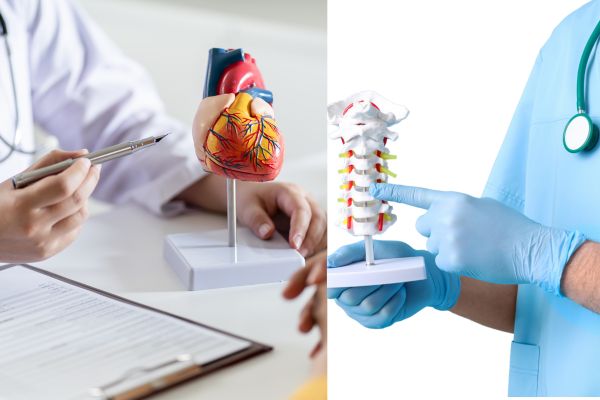
In healthcare, one size never fits all — especially when it comes to documentation. Specialty clinics like cardiology, orthopedics, dermatology, and oncology each have unique workflows, terminologies, and data needs. What works for a primary care physician rarely fits a specialist managing complex cases, diagnostics, and procedures.
That’s where medical scribing for specialty clinics makes all the difference. Tailored scribe services ensure accurate, efficient, and specialty-specific documentation — so providers can focus on what truly matters: delivering expert, compassionate care.
The Challenge: Complex Documentation Across Specialties
Specialty clinics handle high volumes of detailed, nuanced information. A cardiologist might interpret multiple imaging results and EKG findings in one visit. An orthopedic surgeon documents pre-op consultations, post-op follow-ups, and procedural details. A dermatologist may describe dozens of lesion characteristics per patient.
These complex documentation demands are time-consuming and vary greatly from one specialty to another. Generic templates or standard EHR workflows often fall short — leading to incomplete charts, missed codes, or excessive after-hours charting.
Specialized medical scribes solve this problem by adapting to each clinic’s specific workflow, documentation style, and patient population.
Customized Scribing: Tailored to Each Specialty’s Needs
A customized scribing model ensures that documentation flows naturally with the provider’s process. Here’s how scribing supports key specialties:
1. Cardiology
Cardiology scribes are trained to capture intricate data — from test results and medication titrations to procedural notes for stress tests, echocardiograms, and catheterizations. They understand cardiovascular terminology and clinical shorthand, ensuring every note is accurate and billing-ready.
2. Orthopedics
In orthopedic clinics, scribes assist with documentation of physical exams, imaging interpretations, and procedural details like injections, reductions, and surgical planning. They help streamline pre- and post-surgical workflows, allowing surgeons to see more patients without extending their charting hours.
3. Dermatology
Dermatology requires precise descriptive language. Scribes document lesion types, sizes, locations, and procedures such as biopsies or cryotherapy — maintaining accuracy while improving patient flow in high-volume practices.
4. Neurology
For neurologists, scribes manage extensive patient histories, diagnostic data, and follow-up notes for conditions like migraines, seizures, or neuropathies. They ensure continuity across long-term treatment plans, which are often documentation-heavy.
5. Oncology
Oncology scribes handle sensitive, detail-rich documentation related to chemotherapy regimens, lab tracking, and multidisciplinary care coordination. Their support helps oncologists spend more time communicating with patients and families during emotionally intense visits.
The Benefits of Specialty-Specific Scribing
1. Accuracy and Compliance
Scribes trained in specific specialties understand terminology, abbreviations, and coding requirements unique to that field. This reduces documentation errors and ensures compliance with billing and regulatory standards.
2. Improved Efficiency
When documentation aligns with a clinic’s workflow, providers move seamlessly from one patient to the next. Research shows that medical scribes can save physicians up to 2 hours per day in documentation — time that can be reinvested in patient care or clinic expansion.
3. Enhanced Provider Satisfaction
Custom-trained scribes reduce after-hours charting and administrative burden, improving job satisfaction and reducing burnout. Specialists can focus on clinical decision-making instead of typing.
4. Better Patient Experience
With scribes managing real-time documentation, providers maintain eye contact, listen attentively, and build stronger rapport. The result? Shorter visits, more personalized care, and higher patient satisfaction scores.
Technology Integration: Virtual and Hybrid Models
Many specialty clinics today are adopting virtual medical scribing — where trained remote scribes assist through secure audio or video connections. This model is ideal for clinics with space constraints or those operating across multiple locations.
Some providers prefer a hybrid approach, combining in-person scribes for procedures with virtual support for consultations. Either way, customization ensures every scribing solution fits seamlessly into the clinic’s existing systems and workflow.
Training Makes the Difference
Top scribing service providers invest in continuous, specialty-specific training. Scribes learn not just EHR systems but also clinical workflows, compliance standards, and provider preferences. This depth of understanding allows them to anticipate needs — not just record information.
Conclusion
Every specialty has its rhythm — and so should its documentation.
Medical scribing for specialty clinics transforms complex workflows into streamlined, accurate, and patient-centered processes. By aligning documentation with each provider’s expertise, scribes enhance efficiency, compliance, and care quality across the board.
In a world where time is a clinician’s most valuable resource, customized scribing isn’t just an advantage — it’s essential for modern specialty care.


