 WhatsApp Us Now

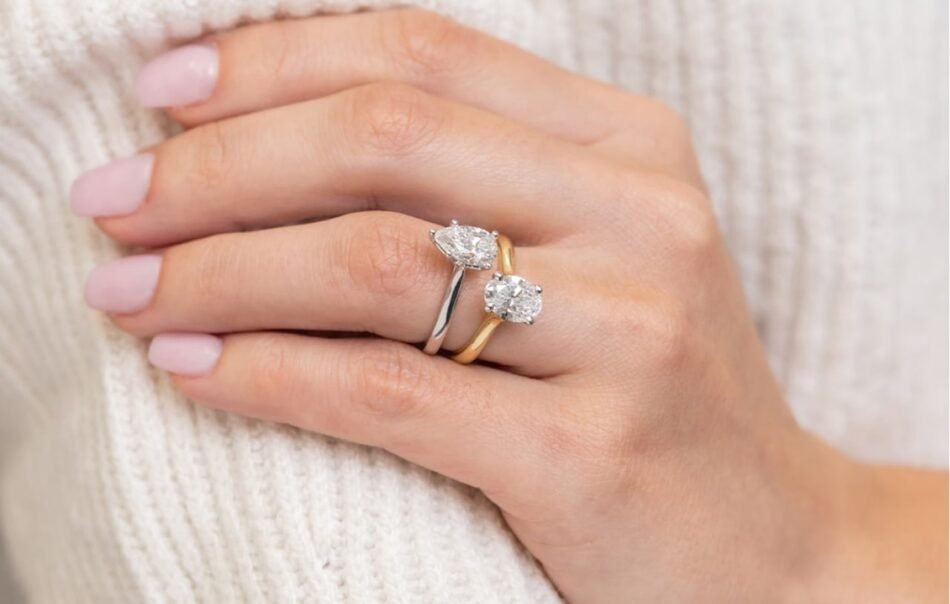
Choosing an engagement ring is an important decision, and the diamond often becomes the centerpiece of that choice. Today, couples have more options than ever when selecting a diamond, including lab grown diamonds. A lab grown diamond for engagement ring offers the same fundamental diamond composition and crystal structure as a mined diamond while giving shoppers additional options for size, shape, color, clarity, and setting.
Whether you are shopping for a classic solitaire, a vintage-inspired halo, or a modern oval engagement ring, understanding how lab grown diamonds are made and what to look for can help you choose a ring that fits your preferences and budget.
What Is a Lab Grown Diamond?
A lab grown diamond is a diamond created using advanced technology in a controlled laboratory environment. Unlike diamond simulants such as cubic zirconia or moissanite, lab grown diamonds are actual diamonds.
They are made using processes that recreate the conditions required for diamond formation. The two primary methods are Chemical Vapor Deposition (CVD) and High Pressure High Temperature (HPHT).
Both methods produce diamonds with the same basic carbon crystal structure found in natural diamonds. Lab grown diamonds can also display the optical characteristics associated with diamonds, including brilliance, fire, and scintillation.
For an engagement ring, this means you can choose a lab grown diamond in many of the same shapes and specifications available with traditional diamonds.
Why Choose a Lab Grown Diamond for an Engagement Ring?
There are several reasons couples consider lab grown diamonds when shopping for an engagement ring.
More Options for Your Budget
One of the biggest attractions is the opportunity to explore different diamond sizes and specifications within a particular budget. Depending on current market pricing and the specific characteristics of the stone, a lab grown diamond may allow shoppers to consider a larger center stone or higher clarity grade.
For example, someone considering a one-carat natural diamond may also compare larger lab grown options while keeping their overall budget in mind.
However, price should not be the only consideration. Cut quality, proportions, clarity, color, certification, and the design of the setting all affect the appearance and value of an engagement ring.
Available in Popular Diamond Shapes
Lab grown diamonds are available in many popular shapes, making them suitable for different engagement ring styles.
Common options include:
- Round
- Oval
- Emerald
- Cushion
- Princess
- Pear
- Radiant
- Marquise
- Asscher
- Heart
The shape you choose can significantly influence the personality and visual appearance of the ring. Round diamonds are traditionally associated with classic designs, while oval, pear, and marquise shapes can create a more distinctive look.
The Same Fundamental Diamond Material
Lab grown diamonds are composed of carbon atoms arranged in a diamond crystal structure. This distinguishes them from diamond alternatives that may resemble diamonds visually but are made from different materials.
For couples who specifically want a diamond but are interested in an alternative to a mined stone, laboratory-grown diamonds provide another option to consider.
How Are Lab Grown Diamonds Made?
Understanding the production process can make it easier to distinguish lab grown diamonds from diamond simulants.
Chemical Vapor Deposition
CVD is a process in which a small diamond seed is placed inside a controlled chamber. Carbon-containing gases are introduced and activated under specific conditions. Carbon atoms gradually deposit onto the diamond seed and form a larger diamond crystal.
After growth, the rough diamond can be cut and polished for use in jewelry.
High Pressure High Temperature
HPHT technology recreates extremely high pressure and temperature conditions. A small diamond seed is placed with a carbon source and other materials inside specialized equipment. Under controlled conditions, carbon crystallizes around the diamond seed.
The resulting rough diamond is then processed, cut, and polished.
Both production methods can create gem-quality diamonds, although individual stones can have different characteristics.
How to Choose a Lab Grown Diamond for an Engagement Ring
When comparing diamonds, it helps to understand the 4Cs: cut, color, clarity, and carat weight.
1. Cut
Cut is one of the most important factors affecting how a diamond interacts with light.
A well-cut diamond can appear bright and lively because its proportions and facets help reflect light through the stone. A larger diamond does not necessarily look better if its cut quality is poor.
For an engagement ring, prioritize a diamond with proportions and facet performance that produce attractive brilliance and visual balance.
2. Color
Diamond color refers to how much body color is visible in a stone.
The traditional grading scale generally ranges from D, representing colorless, through increasingly warmer grades.
The ideal color grade depends on your preferences and the ring setting. White gold and platinum settings can make color more noticeable, while yellow or rose gold settings can work beautifully with slightly warmer diamond tones.
3. Clarity
Clarity measures the presence of internal characteristics and surface imperfections known as inclusions and blemishes.
Higher clarity grades generally contain fewer visible characteristics. However, a diamond does not necessarily need the highest possible clarity grade to look clean to the naked eye.
A well-selected eye-clean diamond can provide an attractive balance between appearance and specifications.
4. Carat Weight
Carat measures diamond weight rather than directly measuring its visual size.
Two diamonds with the same carat weight can appear different in size depending on their shape, proportions, and cut.
For example, elongated shapes such as oval, pear, and marquise diamonds can create a larger-looking appearance across the finger compared with some other shapes of the same weight.
Which Lab Grown Diamond Shape Is Best for an Engagement Ring?
There is no single diamond shape that works for every couple. The right choice depends on personal style and the overall ring design.
Round: A timeless option with strong brilliance and a classic appearance.
Oval: An elegant elongated shape that can create a larger-looking appearance on the finger.
Emerald: Known for its long, step-cut facets and clean, sophisticated appearance.
Cushion: Combines a soft shape with a romantic, vintage-inspired character.
Princess: A square or rectangular shape with a contemporary appearance.
Pear: A distinctive teardrop shape that can look elegant in both traditional and modern settings.
Radiant: Combines a rectangular or square outline with brilliant-style faceting.
When selecting a shape, consider not only the diamond itself but also how it complements the wearer’s hand, lifestyle, and preferred jewelry style.
Choosing the Right Engagement Ring Setting
The setting protects the diamond while defining the overall appearance of the engagement ring.
Solitaire Setting
A solitaire places most of the visual attention on the center diamond. It is a simple and versatile choice for couples who prefer an understated design.
Halo Setting
A halo surrounds the center diamond with smaller stones. This can create additional sparkle and make the center stone appear visually larger.
Three-Stone Setting
Three-stone rings typically feature a larger center diamond accompanied by two side stones. The design can provide a balanced and symbolic appearance.
Pavé Setting
Pavé settings use small diamonds along the band to add additional brilliance around the center stone.
Bezel Setting
A bezel setting surrounds the edge of the diamond with metal. It provides a sleek appearance and offers a different approach to securing the stone.
Should You Get a Certified Lab Grown Diamond?
A diamond grading report can provide useful information about a stone’s characteristics.
When purchasing a lab grown diamond, look for documentation from a reputable independent gemological laboratory. The report may identify the diamond as laboratory grown and provide information about its cut, color, clarity, carat weight, measurements, and other characteristics.
Always compare the report with the actual diamond and verify that the identifying information corresponds to the stone you are considering.
Lab Grown vs. Natural Diamonds
Both lab grown and natural diamonds are diamonds, but their origins are different.
| Feature | Lab Grown Diamond | Natural Diamond |
|---|---|---|
| Origin | Created in a laboratory | Formed naturally underground |
| Main material | Carbon | Carbon |
| Crystal structure | Diamond crystal structure | Diamond crystal structure |
| Shapes available | Many common shapes | Many common shapes |
| Engagement ring use | Yes | Yes |
| Grading reports | Available | Available |
| Formation time | Produced using controlled technology | Forms naturally over geological timescales |
The most important difference is origin. A lab grown diamond is produced using technological processes, while a natural diamond develops through geological processes.
How Much Should You Spend on a Lab Grown Engagement Ring?
There is no universal amount that every couple should spend on an engagement ring. A practical budget should reflect your personal financial situation, priorities, and preferred ring specifications.
Start by determining the total amount you are comfortable spending. Then decide how you want to divide that budget between the center diamond, setting, side stones, metal, and customization.
If the diamond is your primary priority, you may allocate more of the budget toward cut quality and the characteristics that have the greatest effect on its appearance.
Tips for Buying a Lab Grown Diamond Online
Buying an engagement ring online can provide access to a broad selection, but it is important to research before purchasing.
First, review the diamond’s grading information and look carefully at its measurements. Do not rely only on carat weight.
Next, examine high-resolution images or videos when available. These can help you understand the stone’s proportions, facet pattern, inclusions, and overall appearance.
You should also review the retailer’s policies regarding returns, resizing, warranties, shipping, and after-sales service.
Finally, compare diamonds using consistent criteria. A lower price does not automatically mean a better deal if the diamond has weaker cut quality or other characteristics that affect its appearance.
What Metal Works Best With a Lab Grown Diamond?
Lab grown diamonds can be paired with the same jewelry metals commonly used for traditional engagement rings.
Platinum offers a durable, naturally white appearance and is a popular choice for fine jewelry.
White gold provides a bright appearance and can complement colorless-looking diamonds.
Yellow gold creates a warm contrast against a white diamond.
Rose gold offers a distinctive pink-toned appearance and can give an engagement ring a romantic aesthetic.
The best metal depends on personal style, desired appearance, durability considerations, and budget.
Caring for Your Lab Grown Diamond Engagement Ring
Although diamonds are extremely hard, the complete engagement ring still requires proper care.
Remove the ring when performing activities that could expose it to harsh chemicals, strong impacts, or unnecessary abrasion. Clean it regularly using an appropriate jewelry-cleaning method and inspect the setting periodically.
It is also useful to have the prongs and other setting components checked by a qualified jeweler from time to time. A secure setting helps protect the center stone during everyday wear.
Final Thoughts
A lab grown diamond for engagement ring can be a practical option for couples who want a diamond with a laboratory origin. With a wide range of shapes, sizes, colors, clarity grades, and engagement ring settings available, shoppers can focus on the characteristics that matter most to them.
The key is to compare diamonds carefully rather than choosing solely by carat weight or price. Pay attention to cut quality, grading information, proportions, setting design, and the retailer’s policies before making your purchase.
With the right research, a lab grown diamond can become the centerpiece of an engagement ring designed around your personal style and preferences.
Frequently Asked Questions
Are lab grown diamonds real diamonds?
Yes. Lab grown diamonds are diamonds produced using controlled technological processes. They have the same fundamental carbon crystal structure as natural diamonds, although their origins are different.
Are lab grown diamonds good for engagement rings?
Yes. Lab grown diamonds can be used in engagement rings and are available in many shapes, carat weights, color grades, and clarity grades.
What is the best shape for a lab grown engagement ring?
There is no universally best shape. Round, oval, emerald, cushion, pear, radiant, princess, and marquise diamonds are all options. The choice depends on personal style and the desired appearance of the ring.
Do lab grown diamonds come with certification?
Many lab grown diamonds are accompanied by grading reports from independent gemological laboratories. The report can provide information about the stone’s characteristics and identify its laboratory-grown origin.
Can lab grown diamonds be resized?
The diamond itself is not resized, but the engagement ring setting can often be resized depending on its design, metal, and construction. A jeweler can determine whether a particular ring can be safely resized.
How should I choose a lab grown diamond?
Start by considering the 4Cs: cut, color, clarity, and carat weight. Then review the diamond’s measurements, grading report, images, and setting compatibility. Your budget and personal preferences should guide the final selection.


