 WhatsApp Us Now

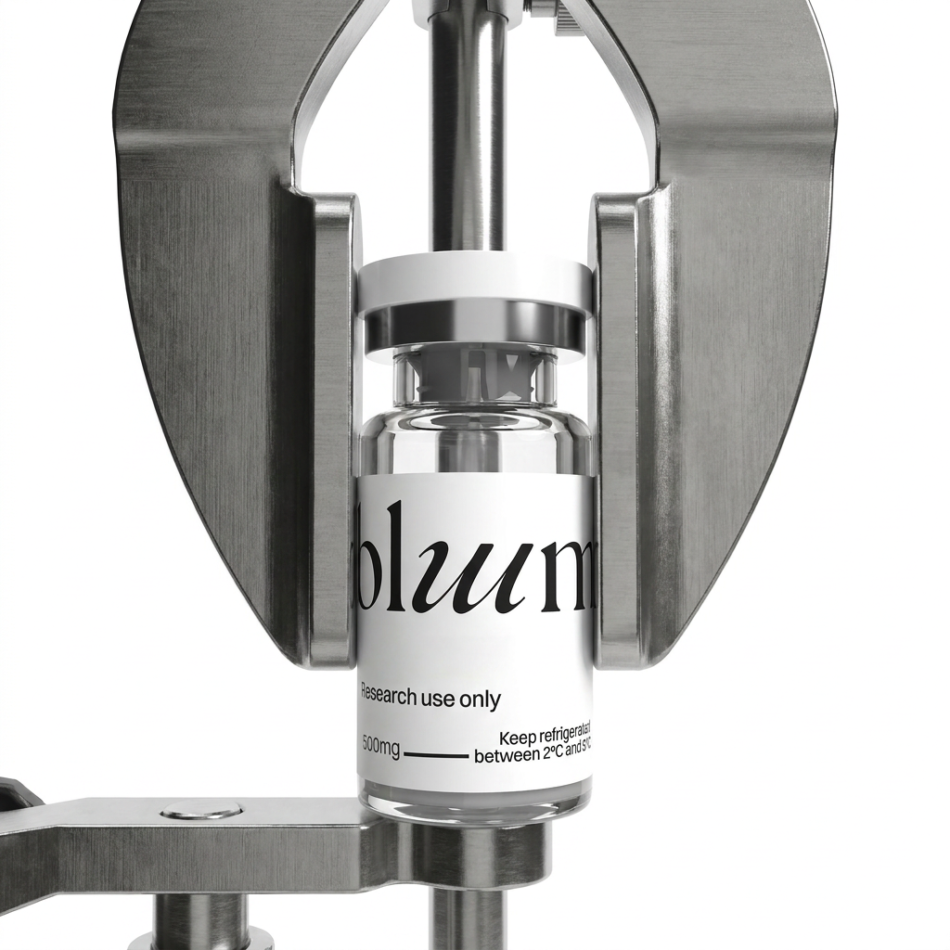
Peptide blends have attracted attention in biotechnology, biochemical research, and discussions about emerging approaches to skin and tissue research. One term appearing in online product listings is klow blend peptides a name commonly associated with a combination of four distinct peptides. Understanding this blend requires more than reviewing a product description. Readers need to consider its reported composition, the scientific evidence behind its individual ingredients, and the important questions that remain unanswered about the combination itself.
Peptides are short chains of amino acids that can participate in a variety of biological processes. Researchers investigate different peptides to understand their chemical properties, biological activity, and potential applications. However, evidence about an individual peptide does not automatically demonstrate that a mixture of several peptides is effective or safe. A careful research-based approach helps separate established scientific information from preliminary findings and commercial claims.
What Are Klow Blend Peptides?
Klow blend peptides is a name used for multi-peptide formulations commonly described as containing GHK-Cu, BPC-157, TB-500, and KPV. Unlike a single peptide with a defined chemical structure, KLOW refers to a vendor-defined combination of separate compounds. The precise ingredients and proportions may vary between products, so the name alone cannot establish the formulation of a particular vial. Checking the product specification and supporting documentation is essential for understanding what a supplier actually offers.
The four components have different chemical characteristics and research backgrounds. GHK-Cu is a copper-binding peptide studied in connection with skin biology and extracellular matrix processes. BPC-157 has been investigated primarily in preclinical research involving tissue-related processes, while TB-500 is associated with research related to thymosin beta-4. KPV is a short peptide studied for potential activity involving inflammatory pathways. These research interests are not proof that combining the ingredients produces specific benefits in humans.
It is also important to distinguish the complete blend from its individual components. A formulation containing several peptides may raise questions about stability, interactions, composition, and biological effects that cannot be answered by studying each ingredient separately. Published research about one component cannot establish that the combination produces additive or synergistic effects. Researchers must evaluate evidence for the actual formulation before drawing conclusions about its properties.
Understanding the Main Components
GHK-Cu is a copper-binding tripeptide that has been investigated for its potential roles in cellular signaling and skin-related biological processes. Research has examined its relationship with extracellular matrix components and other mechanisms relevant to tissue biology. However, findings from laboratory experiments or specific topical formulations cannot automatically be applied to every product containing GHK-Cu. The effects of a particular formulation depend on its composition, delivery method, and the quality of the evidence supporting its intended use.
BPC-157 has attracted interest because of preclinical investigations involving tissue repair and other biological processes. Much of the published evidence comes from laboratory and animal studies, which do not establish safety or effectiveness in humans. TB-500 is another research-associated peptide, but it should not automatically be treated as equivalent to full-length thymosin beta-4. The distinction matters because research involving one molecule cannot necessarily establish the properties of another product marketed under a related name.
KPV is a short peptide investigated for potential effects on inflammatory signaling, primarily in experimental settings. Its biological activity remains an area of scientific interest, but evidence from cells or animal models is not sufficient to establish clinical benefits. Each ingredient therefore needs to be assessed according to its own evidence base, including the methods used, the study population or model, and the limitations identified by researchers. No individual ingredient’s research history proves that the complete KLOW formulation is effective.
What Does Research Say About the Complete Blend?
One of the most important considerations is the limited evidence for klow blend peptides as a complete formulation. Although the individual ingredients have been investigated separately, available research reviews report no published controlled study directly testing the four-component KLOW blend as a whole. This means that its combined effects, interactions, pharmacokinetics, and overall safety profile have not been adequately established.
This evidence gap makes it difficult to evaluate claims that the combination offers superior results compared with individual ingredients. Combining substances with different proposed biological activities may sound scientifically appealing, but a plausible explanation is not the same as demonstrated effectiveness. The ingredients could interact in unexpected ways, and the finished formulation may behave differently from its separate components. Direct research on the actual blend would be needed to investigate these questions reliably.
Regulatory status is equally important. A product marketed for research is not automatically an approved medicine, and commercial availability does not establish that a formulation is safe for human use. Laboratory findings cannot determine an appropriate human dose or replace clinical trials. Anyone considering peptide products for a health concern should consult a qualified healthcare professional and avoid relying on unverified product claims as a substitute for established medical care.
The Role of Verified Peptides and Quality Testing
Verified peptides are materials supported by testing or documentation that confirms specific characteristics, such as identity or purity. For a multi-peptide blend, quality assessment should address the declared components of the finished formulation rather than relying exclusively on certificates for separate ingredients. A report confirming one peptide does not automatically verify the identity or concentration of the other components. Researchers should therefore examine the actual scope of the testing before accepting a supplier’s claims.
A Certificate of Analysis, commonly called a COA, can provide information about the tested material, batch number, analytical methods, and results. High-performance liquid chromatography can help assess chromatographic purity, while mass spectrometry can provide evidence supporting molecular identity. These methods serve different purposes, and neither independently establishes every aspect of product quality. A meaningful report should be traceable to the specific batch and clearly identify which characteristics were examined.
Verification also has limits. A purity result cannot establish that a peptide blend is clinically effective, free from every possible contaminant, or suitable for injection or other human use. Testing performed before storage or transportation may not describe the condition of a sample at a later date. Reliable documentation helps researchers evaluate chemical characteristics, but clinical safety and effectiveness require separate evidence appropriate to the intended use.
SNAP-8 Peptide and Other Peptide Research: Important Distinctions
SNAP-8 peptide, also known as acetyl octapeptide-3, is a synthetic peptide associated with cosmetic research into the appearance of expression lines. It is distinct from the components commonly listed in KLOW and has its own research background. Studies or product claims involving SNAP 8 peptide should not be used as evidence for the effectiveness of klow blend peptides. Although both subjects involve peptides, their chemical identities, intended applications, and supporting evidence are different.
Research about cosmetic ingredients also needs careful interpretation. Laboratory findings may suggest a possible biological mechanism, but they do not necessarily establish noticeable improvements in human skin. Results depend on factors such as formulation, concentration, stability, and how the ingredient is delivered. Reliable conclusions require studies designed to assess the specific ingredient or finished product and measure outcomes relevant to its intended application.
This comparison highlights a broader principle in peptide research: evidence must match the exact substance and claim being evaluated. A result involving one peptide cannot automatically be applied to another, and findings from a single ingredient cannot prove the effects of a multi-ingredient blend. Understanding these distinctions helps readers assess scientific claims more accurately and avoid treating all peptide products as interchangeable.
Conclusion
Klow blend peptides is commonly used to describe a combination of GHK-Cu, BPC-157, TB-500, and KPV, although the exact formulation can vary between suppliers. Each component has a distinct research background, but evidence about individual ingredients does not establish the safety or effectiveness of the complete blend. The absence of adequate direct research means that claims about combined benefits should be treated cautiously rather than accepted as proven outcomes.
Verified peptides and transparent quality documentation can help establish selected characteristics of a research material, including identity and purity. However, verification cannot replace clinical evidence, regulatory authorization, or a thorough assessment of the actual formulation. Anyone evaluating a KLOW product should examine its ingredient specifications, batch-specific testing, and the quality of the scientific evidence behind its claims. Ultimately, responsible decisions depend on reliable documentation, realistic expectations, and a clear understanding of what current research can—and cannot—demonstrate.


