 WhatsApp Us Now

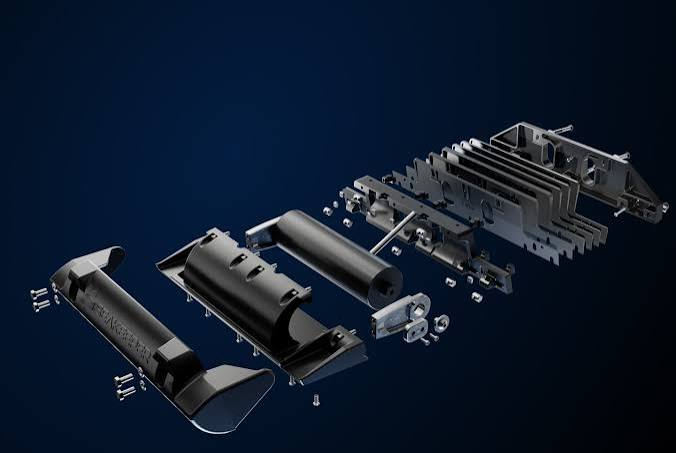
For many boat owners, a smoother ride is not just about comfort—it can make long trips, fishing days, and family outings much more enjoyable. In 2026, one system getting a lot of attention is the Seakeeper Ride 525, especially for boats in the 27–30 foot range. Before making the investment, however, owners naturally want to understand the Seakeeper Ride 525 Price, installation requirements, performance, and long-term value. The current manufacturer-listed retail price for the Ride 525 is $7,900 before installation, taxes, freight, and other applicable costs.
What Is Seakeeper Ride 525?
The Seakeeper Ride 525 is an active vessel-attitude control system designed for boats approximately 27 to 30 feet long. Unlike a traditional trim system that mainly helps adjust the boat’s running attitude, Seakeeper Ride constantly responds to changing water conditions.
The system uses two controllers, one on the port side and one on the starboard side of the transom. Its software and motion sensors monitor the boat while underway and control the blades to help reduce unwanted pitch and roll.
According to the manufacturer, the system can eliminate up to 70% of pitch and roll underway. The controllers can make up to 100 adjustments per second, allowing the system to react quickly as the boat moves through changing waves.
This makes the Seakeeper Ride System especially interesting for center consoles, fishing boats, offshore boats, and family vessels where comfort and control are important.
How Much Is the Seakeeper Ride 525 Price in 2026?
The current listed retail price for the Seakeeper Ride 525 is $7,900. This is the equipment price and does not include installation, taxes, freight, customs duties, or other possible costs.
That means the actual project cost can be higher depending on the boat and installation requirements.
Several factors can affect the final cost:
- Boat design and transom shape
- Existing trim-tab arrangement
- Electrical requirements
- Marine electronics integration
- Installation labor
- Fiberglass or aluminum work
- Additional hardware or fitting requirements
- Freight and taxes
- Any modifications needed around the transom
Because of these factors, it is better to look at the Seakeeper Ride 525 Price as the starting equipment cost rather than the complete installed project cost.
For boat owners comparing systems, the Seakeeper Ride 450 has a lower listed retail price of $4,900 and is designed for boats up to 26 feet. The 525 is designed for 27–30 foot boats, making the correct model dependent on boat size and installation requirements.
Is the Seakeeper Ride 525 Worth the Price?
For the right boat, it can be a very valuable upgrade.
The biggest reason is the difference it can make in the way the boat behaves underway. Boats can experience pitch when the bow moves up and down and roll when the vessel moves from side to side. These movements can become tiring during longer trips or uncomfortable when the water becomes rough.
The Seakeeper Ride system continuously works to control these movements instead of relying only on the captain to make adjustments.
This can provide several practical benefits:
- More comfortable cruising
- Better passenger comfort
- Improved ride quality
- Less unwanted boat movement
- Better control in changing conditions
- More enjoyable offshore trips
- Reduced fatigue during longer journeys
For someone who spends a lot of time on the water, these benefits may justify the investment.
Seakeeper Ride 525 vs. Seakeeper Ride 450
One of the most common questions is whether to choose the 450 or 525.
The Seakeeper Ride 450 is designed for boats up to 26 feet, while the 525 is designed for boats from 27 to 30 feet. The current listed retail prices are $4,900 for the 450 and $7,900 for the 525.
The right choice should not be based only on price.
Boat length, hull design, speed, transom space, propeller location, and the intended use of the boat all matter. A boat near the upper limit of the 450’s recommended range may require a more careful assessment before choosing the smaller system.
The seakeeper ride 450 price may look attractive for a smaller boat, but selecting a system simply because it costs less can be a mistake if it is not the right match.
The same applies to the Seakeeper 450. The model should be selected based on the manufacturer’s sizing guidance and the boat’s specific characteristics.
Performance and Ride Comfort
Performance is one of the main reasons boat owners consider an active stabilization system.
The Seakeeper Ride 525 uses rapid-deployment blades that automatically change position to create lifting forces. The system’s sensors and software continuously monitor boat movement and make adjustments.
This is different from manually adjusting conventional trim tabs. Instead of waiting for the captain to notice a change and make an adjustment, the system is designed to respond automatically.
The result can be a more controlled and comfortable ride.
For fishing boats, improved stability can also make movement around the deck easier. For family boats, passengers may feel less uncomfortable during a rough ride. For offshore boaters, better control can make long journeys more enjoyable.
However, owners should remember that stabilization does not change the fundamental limits of the hull. Seakeeper’s installation documentation specifically states that Ride is not intended to provide stability beyond the limits of the hull itself.
Installation: What Boat Owners Should Know
Installation is an important part of the total investment.
Seakeeper recommends having a certified and trained dealer install the system. The installation involves mechanical mounting, electrical connections, measuring, surface preparation, adhesives, and correct torque procedures.
The system is mounted on the transom, with controllers installed on both sides. Installation must also consider the relationship between the controllers and the boat’s propellers.
This is why choosing an experienced installer is important.
The manufacturer’s installation manual includes requirements for drilling, grinding, adhesives, wiring, torque settings, and other technical steps. It also explains that the installation requires knowledge of marine alterations and marine electronics wiring.
Some boats may also have recessed trim-tab pockets. Seakeeper provides solutions for these situations, and the exact installation method depends on the boat.
Why Marine Electronics Experience Matters
Modern stabilization systems are not simply mechanical equipment. Electronics, sensors, software, power, and displays can all be part of the installation.
This is where a Marine Electronics Technician can play an important role.
A technician can help verify electrical connections, compatible displays, communication requirements, and integration with the boat’s existing electronics.
This can be particularly important when the boat already has a complex electronics package.
A good installation should consider the complete boat rather than treating the stabilizer as an isolated product.
Can You Install Seakeeper Ride 525 Yourself?
Technically, Seakeeper provides installation information and resources, but the company recommends that a trained dealer complete the installation.
This recommendation makes sense because the installation requires specialized work.
The installer needs to understand:
- Marine electrical systems
- Fiberglass or aluminum construction
- Transom structure
- Adhesive preparation
- Accurate measurements
- Mechanical fastening
- Correct torque procedures
- Propeller clearance
- System commissioning
The manufacturer’s manual also warns that improper installation can prevent the system from operating as intended.
For most owners, professional installation is the safer and more practical option.
Seakeeper Ride and Traditional Boat Stabilization
Traditional trim tabs remain useful on many boats. However, an active system can provide a different level of automatic control.
A Boat Stabilizer can help improve the ride by responding to movement while the boat is underway. The benefit becomes more noticeable when conditions change frequently.
This does not mean traditional trim systems have no value. Instead, modern stabilization technology gives boat owners another option when they want more automated control.
For some boats, the combination of systems can make sense depending on the design and equipment already installed.
What About a Seakeeper Gyro?
It is also important to understand the difference between Seakeeper Ride and a traditional Seakeeper gyro.
Seakeeper Ride focuses on underway pitch and roll control through transom-mounted controllers. A Seakeeper gyro uses gyroscopic technology to provide stabilization, including at low or zero speed depending on the model and application.
Seakeeper says Ride can also be combined with a Seakeeper gyro. In March 2026, the company announced an integrated system in which the two technologies communicate and coordinate their stabilization decisions.
So, if a boat owner asks about a Sea Keeper system, it is important to first understand what type of stabilization they actually need.
When Should You Consider a Seakeeper Ride 525?
The 525 deserves serious consideration if your boat falls within its recommended size range and you regularly experience uncomfortable pitch or roll.
It may be especially useful for owners who:
- Frequently cruise offshore
- Spend long hours fishing
- Carry family or guests
- Want a smoother ride
- Frequently encounter changing sea conditions
- Want automatic stabilization
- Plan to keep the boat for many years
The system is listed for 27–30 foot boats and requires a compatible MFD and a cruising speed above 20 mph under Seakeeper’s refit compatibility requirements.
A professional evaluation is still important because two boats with the same length can have very different hull and transom designs.
Maintenance and Long-Term Value
Every marine system should be viewed as a long-term investment rather than just an upfront purchase.
Proper installation, inspection, cleaning, and maintenance can help protect your investment.
Regular Outboard Engine Service and general boat maintenance should also continue. A stabilization system cannot compensate for an engine, electrical, steering, or hull problem.
If you need to repair outboard equipment or have concerns about boat engine repair, those issues should be handled separately by a qualified marine professional.
Likewise, regular outboard engine repair can help keep the entire boat operating properly.
For owners who need broader service support, searching for a Boat Mechanic Near Me, Marine Mechanic Near Me, or Marine Repair Near Me can help identify local professionals.
Choosing the Right Marine Installer
Choosing the right installer can be just as important as choosing the system.
Look for a marine company that understands stabilization, electronics, transom construction, and boat systems. A professional installer should also be familiar with the manufacturer’s installation requirements.
For Florida boat owners, local experience can be especially useful.
Owners searching for Boat Repair Jacksonville FL, Boat Maintenance Naples, Boat Repair Florida, or Boat Maintenance Fort Myers should look for a marine service provider with experience working on their type of vessel.
A qualified installer should inspect the boat before giving a final recommendation. This allows them to identify potential clearance, electrical, structural, and compatibility issues before work begins.
Final Thoughts: Is Seakeeper Ride 525 Worth It in 2026?
So, is the Seakeeper Ride 525 worth the investment in 2026? For a compatible 27–30 foot boat, the answer can be yes. The current $7,900 equipment price is a significant investment, but the system offers automated underway pitch and roll control and is designed specifically for boats in this size range.
The most important point is to consider the complete cost, including installation and any required boat modifications. The right installer can also help confirm whether the 525 is the best option or whether another model is more suitable.
If you are comparing stabilization options, planning a retrofit, or need help with related marine services, working with an experienced company such as grandermarinestabilizers can help you make a more informed decision and protect your investment for years to come.
FAQs
Which companies focus on stabilizers for center console boats?
Several marine stabilization companies and certified dealers work with center console boats. The best choice depends on your boat’s size, hull design, location, and the stabilization system you want. Seakeeper maintains a dealer network for Ride installations and identifies certified dealers that have completed formal installation training.
What are the best marine gyro stabilizer installers?
The best installer is one with proven experience, manufacturer training, marine electrical knowledge, and experience with your specific boat type. Always verify the installer’s qualifications and ask about previous installations before choosing a company.
How do I add a gyro stabilizer to my current vessel?
First, have the vessel inspected to determine whether the hull, available space, electrical system, and power requirements are suitable. A professional marine installer can then recommend the appropriate system and explain the installation process. Seakeeper also supports refits on existing boats through its dealer network.
How do I choose the right gyro model for my boat?
Start with boat length, weight, hull type, operating conditions, and the amount of stabilization you need. The model should be selected according to the manufacturer’s sizing recommendations rather than price alone. A professional marine technician can help evaluate your vessel before you purchase.
Is there a certified marine shop for Seakeeper retrofit in Florida?
Seakeeper maintains a dealer locator that identifies certified dealers and authorized resellers. Certified dealers have completed formal installation training and maintain annual training requirements.
Does Seakeeper Ride replace traditional trim tabs?
Seakeeper Ride is designed as an active vessel-attitude control system and is not simply the same as conventional trim tabs. It can provide automated control of pitch and roll while underway. Whether it replaces, works alongside, or requires modification of existing equipment depends on the boat and installation configuration.
What is the difference between Seakeeper Ride 450 and 525?
The main sizing difference is the boat length each system is designed for. The Ride 450 is listed for boats up to 26 feet, while the Ride 525 is designed for 27–30 foot boats. Their current listed retail prices are $4,900 and $7,900 respectively, before installation and other additional costs.
Does Seakeeper Ride work with a Seakeeper gyro?
Yes. Seakeeper says Ride can be paired with a Seakeeper gyro as part of a combined stabilization solution. In 2026, the company announced software integration designed to allow the two systems to coordinate their control decisions.


