 WhatsApp Us Now
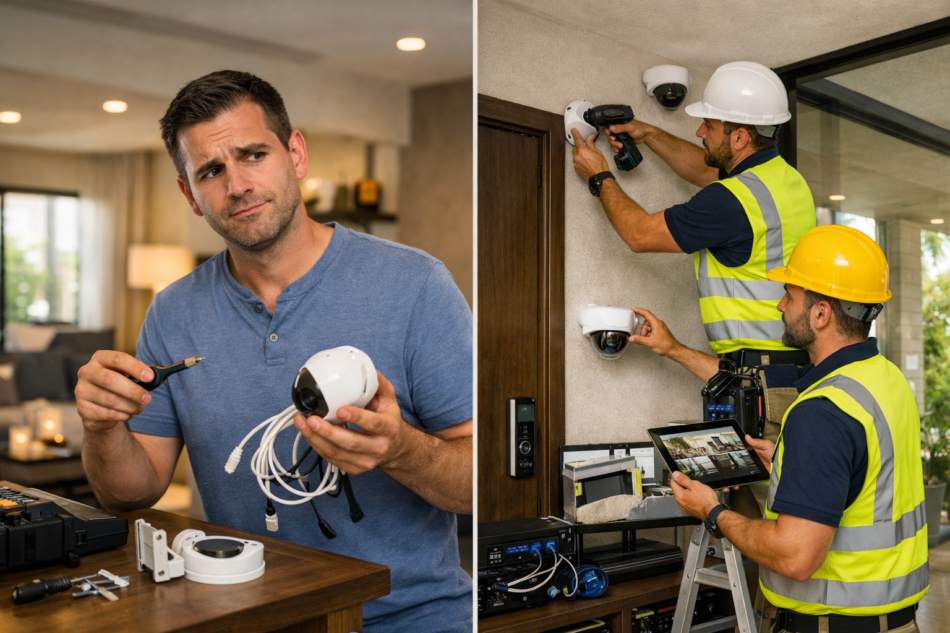
Many people think about adding security cameras to protect their homes or workplaces. When planning CCTV installation in Dubai , one common question is whether to install the cameras yourself or hire trained professionals. Both options have benefits and limits. The right choice depends on the size of the property, camera placement, technical knowledge, and future maintenance needs. Understanding the differences can help people choose a system that works well for many years.
Understanding DIY CCTV Installation
DIY CCTV installation means buying cameras and installing them without professional help. Many modern camera kits include easy instructions, mobile apps, and wireless connections. This makes them suitable for people who have basic technical knowledge.
DIY systems are often used in small apartments or houses where only a few cameras are needed. Since the owner installs the equipment, there are no installation service charges. However, the owner is also responsible for choosing the right camera locations, connecting the system correctly, and fixing any problems later.
If the cameras are placed in the wrong position, they may miss important areas or record poor-quality images.
What Professional CCTV Installation Includes
Professional CCTV installation involves trained technicians who plan and install the complete security system. Before installation, they study the property layout and identify important locations that need camera coverage.
They also make sure the cameras are installed at the correct height and angle. This helps reduce blind spots and improves image quality during both day and night.
Professionals also organize cables properly, connect recording devices, test the cameras, and make sure the entire system works smoothly before finishing the job.
Better Camera Placement Improves Security
Camera placement is one of the biggest differences between professional and DIY installation.
A person installing cameras for the first time may place them where they are easy to mount instead of where they provide the best view. This can leave entrances, parking areas, or walkways partially uncovered.
Professional installers understand how to position cameras for wider coverage while avoiding unnecessary overlap. They also know how to reduce glare from sunlight and avoid obstacles that block the camera view.
Good camera placement allows the system to capture useful footage whenever it is needed.
Wiring and Equipment Are Installed Neatly
Many CCTV systems require power cables, network cables, or recording devices. Managing these cables correctly keeps the system safe and reliable.
DIY installations sometimes leave cables exposed or loosely connected. Over time, this may increase the risk of damage or connection problems.
Professional installers route cables carefully through walls, ceilings, or protective channels whenever possible. This creates a cleaner appearance and helps protect the equipment from accidental damage.
Neat installation also makes future maintenance easier.
System Configuration Can Be More Reliable
Installing cameras is only one part of building a security system. Recording settings, storage devices, mobile access, and motion detection must also be configured correctly.
People using DIY systems may leave many settings at their default values. This can affect recording quality or reduce available storage space.
Professional installers adjust camera settings based on the environment. They test recording quality during both daylight and nighttime conditions and make sure remote viewing works correctly.
Proper configuration helps the system perform more consistently every day.
Future Expansion Becomes Easier
Security needs often change over time. A homeowner may later decide to add more cameras, install video doorbells, or monitor additional outdoor areas.
Professional installation usually considers future upgrades during the planning stage. Extra cable routes or network capacity may already be available if more cameras are added later.
Some DIY systems have limited expansion options, making future upgrades more difficult.
Planning ahead can save time and reduce future installation work.
Maintenance and Troubleshooting
Every security system requires occasional maintenance. Camera lenses may need cleaning, storage devices may require replacement, or software updates may become available.
People using DIY systems usually solve these issues themselves by checking manuals or online guides.
Professional installers often provide guidance on system maintenance and can quickly identify technical issues if problems occur.
Regular maintenance helps cameras continue recording clear and reliable footage throughout the year.
Which Option Fits Different Situations?
DIY installation may be suitable for small properties with only a few wireless cameras. People who enjoy learning new technology may also find DIY systems manageable.
Professional installation is often preferred for larger homes, offices, shops, warehouses, schools, or buildings with multiple entrances. These locations usually require careful planning, proper camera positioning, stable recording equipment, and complete coverage.
The size of the property, security requirements, and available technical knowledge all influence the best choice.
For many property owners, a professionally planned system provides greater confidence because every part of the installation is checked before regular use begins.
Choosing between DIY and professional installation depends on individual needs, budget, and property size. Understanding camera placement, wiring, system setup, future upgrades, and maintenance helps people make a better decision. Whether protecting a small home or a larger commercial building, careful planning always improves security. Many property owners researching CCTV installation in Dubai compare both options carefully before selecting the approach that best matches their long-term security requirements.


