 WhatsApp Us Now
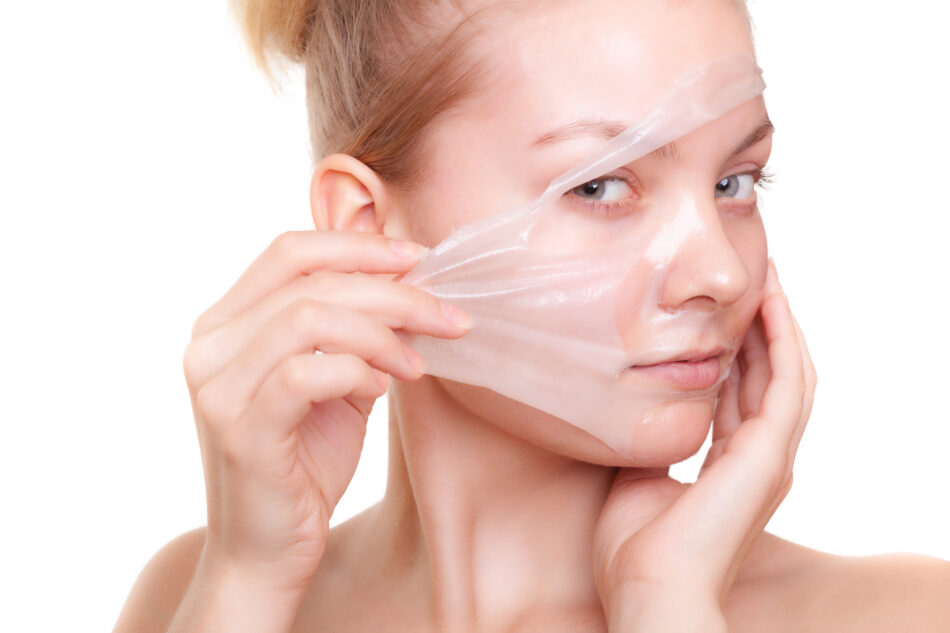
When it comes to achieving clear, smooth, and youthful skin, glycolic acid peels are one of the most sought-after treatments worldwide. But the question many people have is whether this peel is suitable for every skin type. With its ability to exfoliate, brighten, and rejuvenate, this treatment has become a favorite among skincare enthusiasts. For those living in or visiting the UAE, Glycolic Acid Peel in Dubai is particularly popular because it addresses common concerns caused by sun exposure and environmental stress. However, before trying it, it’s important to know how it works on different skin types.
Understanding Glycolic Acid Peels
A glycolic acid peel uses an alpha-hydroxy acid (AHA) derived from sugarcane. This acid works by breaking down the bonds between dead skin cells, helping them shed naturally and revealing new, healthy skin underneath. It penetrates deeper than many other AHAs due to its small molecular size, which is why it is highly effective.
Is It Suitable for All Skin Types?
Normal Skin
People with normal skin typically respond very well to glycolic acid peels. The peel helps maintain a healthy glow, keeps the skin smooth, and prevents early signs of aging.
Oily Skin
Glycolic acid is excellent for oily skin because it helps control excess sebum, unclogs pores, and reduces the risk of breakouts. Regular treatments can keep oily skin balanced and shine-free.
Dry Skin
For dry skin, glycolic acid works as a gentle exfoliant that removes the layer of dead skin cells, allowing moisturizers to penetrate better. However, hydration is key after the treatment to avoid irritation.
Combination Skin
Combination skin often struggles with both dryness and oiliness. Glycolic acid peels help even out skin texture and tone, making it an ideal option for this type.
Sensitive Skin
This is where caution is needed. Sensitive skin can react to chemical peels, causing redness, irritation, or discomfort. If you have sensitive skin, it’s essential to start with a lower concentration peel under professional supervision.
Acne-Prone Skin
Glycolic acid peels are highly recommended for acne-prone skin because they deeply clean pores and reduce blackheads, whiteheads, and blemishes.
Factors to Consider Before Getting a Peel
- Skin Condition: If you have eczema, rosacea, or open wounds, consult a professional first.
- Skin Tone: People with darker skin tones should proceed with caution, as improper application can lead to hyperpigmentation.
- Medical History: Inform your specialist if you use medications like Accutane or topical retinoids.
Benefits for Different Skin Types
- Normal Skin: Maintains radiance and smoothness.
- Oily Skin: Reduces oil buildup and acne.
- Dry Skin: Improves hydration and softness.
- Combination Skin: Balances uneven texture.
- Sensitive Skin: Can be safe at low concentrations with expert care.
Aftercare for All Skin Types
- Apply sunscreen daily to protect against UV damage.
- Avoid scrubbing or using harsh products post-peel.
- Keep your skin hydrated with a gentle moisturizer.
- Follow the aftercare routine suggested by your skincare specialist.
Conclusion
Glycolic acid peels can work wonders for most skin types when done correctly. While they are generally safe and effective, sensitive and darker skin tones require extra caution and professional guidance. If you’re considering this treatment, consult a qualified specialist to determine the best concentration and frequency for your unique skin type. With proper care, glycolic acid peels can help you achieve smoother, brighter, and healthier-looking skin.


