 WhatsApp Us Now

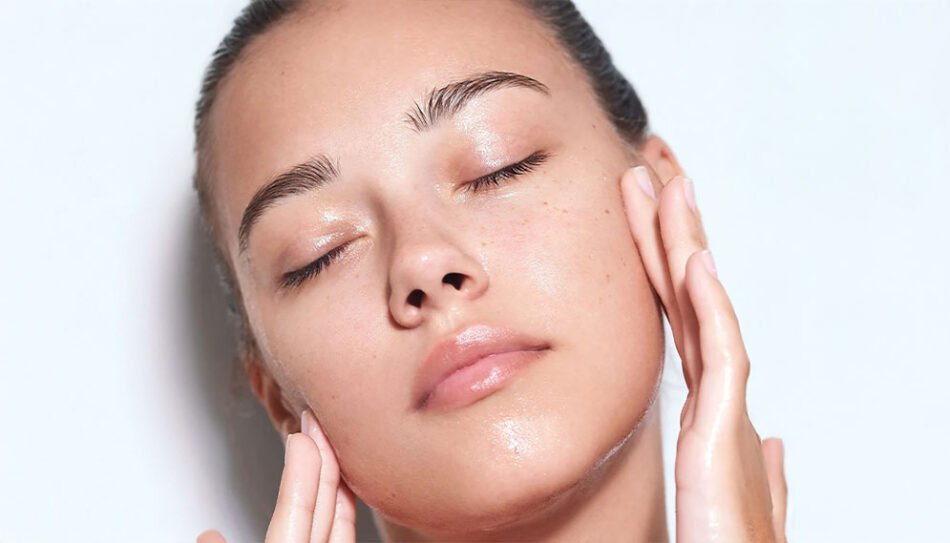
The quest for timeless, radiant skin has driven numerous breakthroughs in modern science, shifting the focus from superficial quick fixes to deep cellular rejuvenation. As the human body ages, skin cells gradually lose their natural capacity to regenerate, resulting in a progressive breakdown of essential structural proteins like collagen and elastin. Traditional anti-aging approaches have long focused on addressing these concerns from the outside, but contemporary innovations are looking inward at how cells communicate. Enter Exosome Therapy in Abu Dhabi, an advanced regenerative breakthrough that harnesses microscopic extracellular messengers to stimulate cellular renewal, optimize tissue repair, and restore skin vitality right at the microscopic source.
- Understanding skin aging at a deep microscopic and cellular level.
- Exploring how cellular messaging shifts the paradigm of modern skincare.
- Introducing exosomes as revolutionary biological communication vehicles.
- Highlighting a shift toward interior cellular repair over superficial masking.
What Exactly Are Exosomes and How Do They Function?
Exosomes are naturally occurring extracellular vesicles produced by various cells within the body, acting essentially as biological delivery systems. Ranging from 30 to 150 nanometers in size, these tiny lipid-bound spheres are packed with a rich cargo of growth factors, proteins, lipids, and microRNAs. When applied to aging or stressed skin, exosomes function like cellular text messages, conveying precise instructions to recipient cells. They instruct dormant or sluggish skin cells to wake up, ramp up their metabolic functions, and engage in self-repair mechanisms, effectively rewriting the behavioral patterns of older tissue.
- Defining extracellular vesicles and their miniature nano-scale dimensions.
- Detailing the rich cargo of growth factors, lipids, and microRNAs.
- Examining the biological text-messaging system between cells.
- Explaining how stagnant cells receive instructions to re-awaken.
The Biological Mechanisms Driving Skin Rejuvenation
The effectiveness of this therapy lies in its sophisticated, multi-pronged approach to reversing chronological and environmental skin damage. As skin ages, it suffers from a continuous loss of elasticity and structural integrity driven by enzymatic breakdown and oxidative stress. Exosomes intervene by stimulating dermal fibroblasts, which are the primary cells responsible for manufacturing fresh collagen and elastin networks. Furthermore, these vesicles help regulate matrix metalloproteinases—the enzymes responsible for degrading structural proteins—while simultaneously boosting antioxidant defenses to neutralize harmful free radicals.
- Stimulating dermal fibroblasts to produce fresh structural proteins.
- Regulating matrix metalloproteinases to halt structural protein breakdown.
- Enhancing the skin’s internal antioxidant defense against oxidative stress.
- Promoting extracellular matrix remodeling for enhanced overall resilience.
Key Benefits of Exosome Therapy in Abu Dhabi for Aging Skin
Integrating exosome applications into a comprehensive skin regimen yields a wide array of visible structural improvements and textural enhancements. Patients often notice a dramatic improvement in skin hydration, overall firmness, and surface elasticity as moisture-retention factors are naturally restored. Additionally, the therapy helps smooth out the appearance of fine lines, deep wrinkles, and uneven pigmentation caused by chronic environmental exposure. By promoting microvascular support and nutrient delivery, the skin achieves a luminous, healthy glow that radiates from deep within.
- Restoring optimal moisture retention and deep skin hydration levels.
- Smoothing fine lines and softening the look of deeper wrinkles.
- Improving overall skin tone consistency and reducing uneven pigmentation.
- Boosting microvascular support to enhance nutrient delivery and radiance.
Synergistic Protocols and Application Methods
To maximize the transformative potential of these vesicles, modern aesthetic protocols frequently pair them with complementary skin rejuvenation techniques. Because procedures like micro-channeling, advanced laser resurfacing, and chemical treatments create micro-injuries in the skin barrier, they open up pathways for deep topical absorption. Applying exosome formulations immediately following these procedures allows the active messenger molecules to penetrate deeply into the dermal layers. This pairing not only supercharges the overall structural results but also significantly accelerates the natural post-procedure recovery timeline.
- Utilizing micro-channeling techniques to enhance deeper dermal penetration.
- Pairing formulations with advanced laser resurfacing or chemical treatments.
- Leveraging barrier pathways for maximum biological absorption and efficacy.
- Accelerating structural recovery and optimizing post-procedure comfort.
Anticipated Timelines and Progressive Results
Unlike conventional topical creams that offer temporary surface hydration, regenerative cell-signaling initiates a gradual, cumulative biological transformation. In the immediate days following an application, individuals typically experience a noticeable boost in skin hydration, a softer texture, and a subtle, healthy glow. Over the course of two to four weeks, internal collagen synthesis accelerates, leading to a visible softening of fine lines and a firmer surface texture. Long-term improvements continue to unfold across one to three months as deep tissue remodeling reaches its structural peak.
- Experiencing immediate hydration spikes and an initial radiant glow.
- Observing mid-term collagen accumulation and fine line reduction.
- Tracking long-term structural remodeling over one to three months.
- Valuing gradual, sustainable biological improvements over temporary fixes.
Conclusion: The Future of Regenerative Skin Health
Exosome therapy represents a monumental leap forward in the science of anti-aging and aesthetic dermatology, shifting the paradigm toward true cellular regeneration. By leveraging the body’s native communication channels to encourage collagen synthesis, smooth out fine lines, and restore structural integrity, this innovative approach addresses aging at its foundational roots. As research continues to refine these powerful biological tools, integrating extracellular messengers into comprehensive anti-aging strategies promises a future where achieving vibrant, resilient, and youthful skin is governed by the body’s own brilliant blueprint.
- Summarizing the paradigm shift from surface treatments to cellular communication.
- Emphasizing the foundational role of collagen and elastin restoration.
- Highlighting the long-term sustainability of regenerative aesthetic protocols.
- Looking ahead to continuous advancements in bio-cellular skincare science.
Frequently Asked Questions about Exosome Therapy in Abu Dhabi
What makes exosomes different from standard anti-aging creams?
Standard anti-aging creams generally sit on the outer layer of the skin, offering temporary hydration or surface-level smoothing. In contrast, exosomes function as microscopic biological messengers that penetrate deep into the tissue, signaling dormant cells to wake up, repair damage, and manufacture fresh collagen and elastin from the inside out.
How are exosomes typically delivered into the skin?
Exosome formulations are most commonly applied topically in conjunction with minimally invasive aesthetic procedures such as microneedling, laser resurfacing, or specialized skin treatments. These procedures create microscopic pathways that allow the tiny vesicles to be absorbed deeply and efficiently into the dermal layers where regeneration is most needed.
How soon can a person expect to see visible improvements?
Results unfold progressively through natural biological cycles. Initial improvements in skin hydration and surface smoothness often appear within the first week. Bigger structural changes, such as enhanced firmness and a reduction in fine lines, typically become apparent over two to four weeks, with optimal cumulative results developing across one to three months.
Is this therapy suitable for all skin types?
Because exosomes act as universal biological messengers that target fundamental cellular pathways of repair and renewal. They are generally versatile across a broad spectrum of skin types. They are particularly beneficial for individuals experiencing structural aging, loss of elasticity, environmental wear, or uneven texture or tone.


