 WhatsApp Us Now

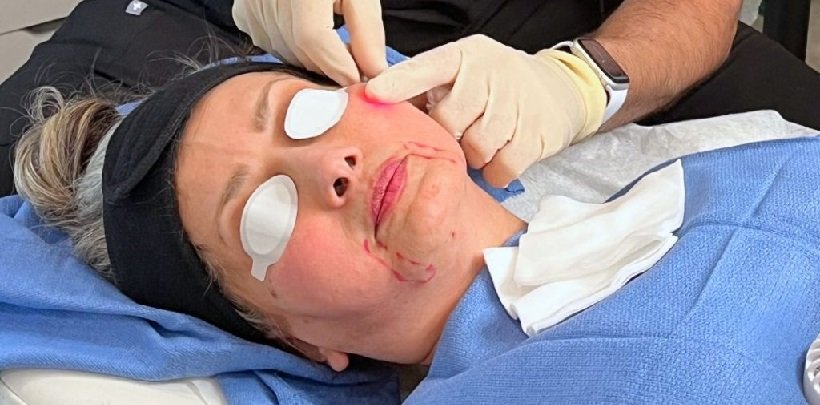
Yes, Endolift Treatment is generally classified as a minimally invasive laser procedure because it uses a very fine optical fibre inserted beneath the skin to deliver controlled laser energy. Unlike traditional cosmetic surgery, it typically does not require large incisions or extensive tissue removal. People exploring إندوليفت في دبي may consider it for improving skin firmness and facial contours, depending on their individual needs. Although Endolift is minimally invasive, it is not completely non-invasive. The fibre enters the tissue beneath the skin, so the procedure requires appropriate medical expertise, sterile technique, and careful patient assessment.
How Is Endolift Minimally Invasive?
Endolift differs from traditional surgery in several ways. A trained medical professional uses a fine optical fibre to deliver laser energy to selected areas beneath the skin. The energy produces a controlled thermal effect that may encourage collagen remodelling and improve the appearance of mild skin laxity.
The procedure generally avoids the larger incisions associated with a surgical facelift. However, the treatment approach, level of discomfort, and recovery experience can vary according to the area treated and the individual’s response.
What Concerns Can Endolift Address?
Endolift may be considered for selected aesthetic concerns, including:
- Mild to moderate skin laxity around the lower face and jawline.
- Reduced definition around the cheeks or chin.
- Small areas of localised fullness in suitable treatment areas.
- Early changes in skin firmness associated with ageing.
It is not designed to replace every surgical procedure. People with substantial excess skin or advanced sagging may need to discuss surgical alternatives with a qualified practitioner.
What Happens During the Procedure?
The process typically begins with a consultation to review medical history, examine the treatment area, and establish realistic goals. The practitioner explains the possible benefits, risks, and alternatives before proceeding.
During treatment, the skin is prepared, and local anaesthesia may be used. The fine optical fibre is inserted beneath the skin, and laser energy is delivered to the selected tissue. Once the session is complete, the practitioner provides instructions for aftercare and follow-up.
The procedure’s duration depends on the treatment area and the plan. Patients should ask their practitioner about preparation requirements and when they can resume normal activities.
Does Minimally Invasive Mean Risk-Free?
No. Endolift can cause side effects because it involves inserting a fibre beneath the skin and delivering laser energy into tissue. Possible effects include swelling, bruising, redness, tenderness, and temporary changes in sensation. Less common complications may include burns, infection, nerve injury, or uneven contours.
The risk depends on factors such as the practitioner’s training, treatment settings, individual health, and the area being treated. Choosing a properly qualified medical professional and following aftercare instructions are important safety measures.
How Does Endolift Compare With Non-Invasive Treatments?
Non-invasive treatments, such as certain surface-based laser procedures or ultrasound treatments, do not involve inserting a fibre beneath the skin. Endolift differs because its laser energy is delivered into tissue through a small entry point.
Traditional surgery is more invasive and may be considered when a person needs more substantial lifting or removal of excess skin. The most suitable option depends on the patient’s anatomy, desired results, health, and willingness to accept different levels of risk and recovery.
Frequently Asked Questions:
Does Endolift require surgical incisions?
Endolift generally uses a small entry point for the optical fibre rather than the larger incisions associated with traditional surgery. It is still a procedure that penetrates the skin.
Is anaesthesia needed for Endolift?
Local anaesthesia may be used to improve comfort. The specific approach depends on the treatment plan and the practitioner’s assessment.
Is recovery easier than after a facelift?
Recovery is generally expected to be less extensive than after a surgical facelift, but swelling, bruising, and tenderness can still occur. Recovery varies between individuals.
Can Endolift replace a surgical facelift?
Not in every case. Endolift may suit selected patients with mild to moderate laxity, while a surgical facelift may be more appropriate for significant sagging or excess skin.
How do I know if Endolift is suitable for me?
A consultation with a qualified medical professional can help determine whether Endolift is appropriate. Ask about expected outcomes, possible complications, alternative treatments, and aftercare.
Conclusion:
Endolift Treatment is considered minimally invasive because it delivers laser energy beneath the skin through a fine optical fibre rather than using the larger incisions associated with traditional cosmetic surgery. It may help selected patients address mild skin laxity and improve facial contours, but it is not risk-free and does not guarantee a particular result. A professional assessment is essential to determine whether it is an appropriate choice.


