 WhatsApp Us Now
Imagine waking up every day and not being able to search for a job online, attend a virtual class, or even look up a doctor’s contact number. This is the daily reality for billions of people living in developing countries. The digital divide — the gap between those with internet access and those without — is one of the most serious issues of our time.
But something is changing. Across Africa, Asia, and Latin America, the role of the Internet Service Provider is evolving fast. Local and global ISPs are working harder than ever to bring affordable, reliable internet connectivity to underserved communities. And the impact is real.
In this blog, we will explore how ISPs in developing countries are working to close the digital gap, the challenges they still face, and why this matters to the entire world.
Understanding the Digital Divide
The digital divide is simple to understand. On the one hand, you have countries where fast, cheap internet is everywhere. On the other side, you have nations where getting online is either too expensive, too slow, or simply not possible.
According to global data, nearly 2.7 billion people still have no internet access. Most of them live in Sub-Saharan Africa, South Asia, and parts of Latin America. In these regions, even basic broadband infrastructure is often missing. Poor roads, difficult geography, and lack of electricity make it hard for any Internet Service Provider to build and maintain a network.
The divide is not just about technology. It is about opportunity. Without internet access, people cannot access quality education, healthcare information, or economic opportunities. The digital divide between urban and rural areas makes things even worse, as most investment goes to cities while rural communities are left behind.
The Current State of ISPs in Developing Countries
Running an Internet Service Provider in a developing country is very different from doing so in a wealthy nation. ISPs in emerging markets face power outages, poor road networks, limited funding, and tough government regulations. Despite all this, many are finding creative ways to grow.
One of the biggest shifts has been the rise of mobile internet. Instead of waiting for fixed broadband cables to reach their homes, millions of people in Africa and Asia are now connecting through smartphones. 4G LTE expansion in the developing world has been rapid. Countries like India, Bangladesh, and Nigeria have seen massive adoption of smartphones and the internet in just a few years.
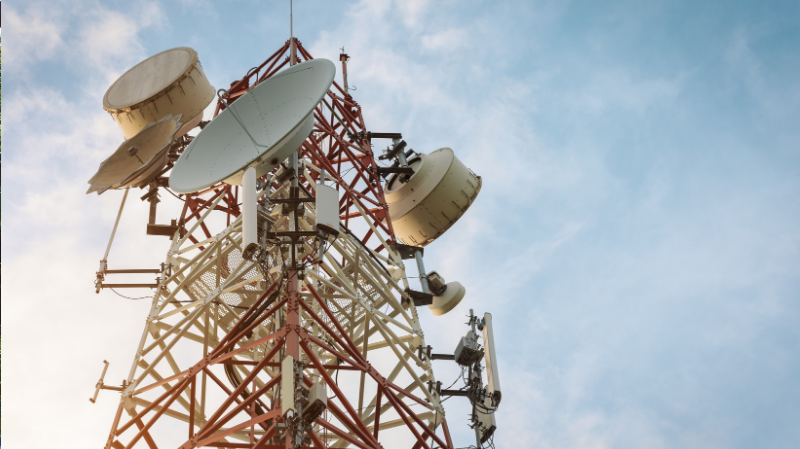
Mobile broadband has become the primary way people in developing regions get online. This is a big win because it skips the need for expensive underground cables. A single mobile tower can serve hundreds of users across a wide area, making it a smarter solution for last-mile connectivity in remote and rural areas.
How ISPs Are Bridging the Digital Gap
Affordable Internet Solutions
One of the biggest changes has been the introduction of affordable internet solutions. Low-cost Internet Service Providers are now entering markets in Africa, Southeast Asia, and Latin America. They offer budget data plans that even low-income users can afford. Some ISPs offer daily or weekly data bundles instead of expensive monthly plans, which works better for people with irregular incomes.
Last Mile Connectivity Innovations
Last-mile connectivity is the last step in getting internet from a provider to a user. This is often the hardest and most expensive part. Wireless ISPs in remote areas are now using new technologies like TV white space and fixed wireless access to connect villages that were previously cut off.
Some organizations are even testing solar-powered internet solutions for off-grid communities where electricity is unreliable. These setups use solar panels to power small local networks, making the internet available even in the most isolated locations.
Technology Changing the Game
Satellite Internet: A New Hope
Satellite internet for developing countries has become a major topic. Companies like Starlink are now offering high-speed satellite internet that relies on no ground infrastructure at all. Starlink’s impact on developing nations has been significant, especially in rural areas of Africa and South America, where no traditional Internet Service Provider has ever reached.
While the cost is still high for many, satellite internet is slowly becoming more accessible. It represents a powerful solution to the problem of internet infrastructure in poor countries, and its growth is expected to accelerate in the coming years.
Community WiFi and Mesh Networks
Another exciting development is the rise of community- and public-WiFi networks in developing nations. These are small, locally managed internet networks that serve entire neighbourhoods at a very low cost. Mesh networks, where each device helps spread the signal to others, are being tested as an alternative to traditional ISPs. In some areas, these community-owned internet projects have already transformed daily life.
Real World Impact of Better Internet Access
When a reliable Internet Service Provider enters an underserved area, the effects go far beyond just browsing. Here is what changes:
Education: Online education access is transformed. Students who had no access to quality teachers can now take classes from some of the world’s best educators. E-learning in developing countries has seen remarkable growth, especially after the COVID-19 pandemic pushed schools online.
Healthcare: Telemedicine and internet access are now saving lives in remote areas. Patients can consult doctors online, get prescriptions, and access health information that was once only available in big cities.
Economy: The freelancing economy and internet access go hand in hand. Young people in Africa, South Asia, and Southeast Asia are now earning online through platforms like Upwork and Fiverr. E-commerce in developing nations is growing fast, giving local businesses access to global markets.
Finance: Financial inclusion through internet access is helping millions of unbanked people join the formal economy. Mobile banking and digital payments are now common in countries like Kenya, where the M-Pesa system has become a global example of how internet-powered finance can reduce poverty.
Challenges That Still Remain
Despite all the progress, many challenges still hold back internet access in developing countries. The Internet is still expensive in many nations, especially where a single Internet Service Provider holds a monopoly. Without competition, prices stay high, and service quality stays low.
Government and policy barriers are another big issue. Telecom regulation in emerging markets can be complicated and slow. Corrupt systems delay the building of new infrastructure, and national broadband policies are often weak or poorly enforced.
Even when the internet is available, the digital literacy gap remains a serious problem. Many people, especially older generations, do not know how to use the internet effectively. Digital literacy programs are growing, but there is still a long way to go.
Conclusion
The digital divide is a real and serious problem. But the story is changing. ISPs in developing countries — from mobile network operators to community WiFi projects to satellite providers — are making internet access a reality for millions of people who were once completely disconnected.
Every new Internet Service Provider that enters an underserved market is not just selling data. It is opening doors to education, health, employment, and financial freedom. The fight to bridge the digital gap is far from over, but progress is real, visible, and growing every day.
A connected world is a better world. And with every new connection made in a developing nation, that world gets a little closer.
Frequently Asked Questions (FAQs)
Q: What is the digital divide in simple terms? A: The digital divide is the gap between people who have access to the internet and those who don’t, often split along lines of income, geography, or country of birth.
Q: How are ISPs helping reduce the digital divide? A: ISPs are introducing affordable data plans, expanding mobile broadband networks, building last-mile connectivity in remote areas, and partnering with governments to bring internet to underserved communities.
Q: Why is the internet still expensive in poor countries? A: High infrastructure costs, lack of competition among providers, weak government policies, and low economies of scale all contribute to keeping internet prices high in developing nations.
Q: How is Starlink helping developing countries? A: Starlink provides high-speed satellite internet without the need for ground cables, making it possible to connect remote and rural areas in developing nations that no traditional Internet Service Provider could ever reach.


