 WhatsApp Us Now
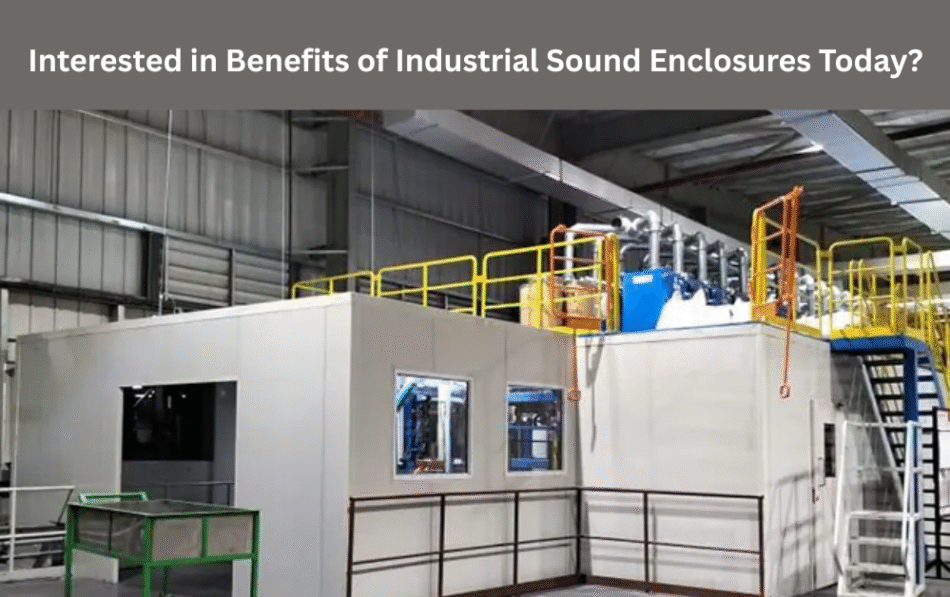
Understanding the Role of Industrial Sound Enclosures
Industrial environments often involve heavy machinery and equipment that generate significant noise levels. These noises not only create discomfort for workers but can also violate regulatory standards and impact surrounding communities. Industrial sound enclosures are specialized structures designed to contain, absorb, and reduce the noise produced by machines and processes in industrial settings.
NOTE: Industrial sound enclosures crafted by Perfect Acoustics addressed challenging noise issues in demanding industrial settings. Their durable and efficient enclosures enhanced employee well-being and reduced environmental impact. Businesses who partnered with Perfect Acoustics found lasting noise control solutions. Connect now to learn more.
These enclosures act as physical barriers that prevent excessive noise from escaping into the workspace or environment. By integrating sound-dampening materials and innovative design techniques, industrial sound enclosures play a pivotal role in creating safer, more comfortable, and compliant industrial areas.
How Industrial Sound Enclosures Contribute to Workplace Safety
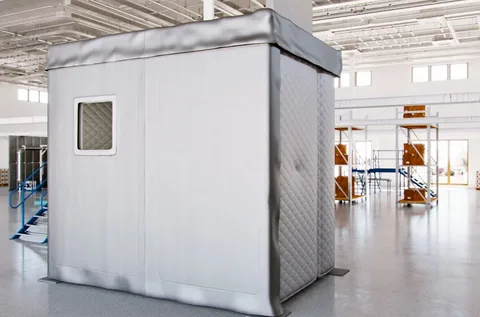
Noise pollution in industrial environments is more than an annoyance — it’s a serious safety and health concern. Prolonged exposure to high noise levels can lead to hearing loss, increased stress, and reduced concentration among employees. These factors increase the risk of accidents and lower productivity.
Industrial sound enclosures reduce ambient noise by containing sound emissions at the source, thereby protecting workers’ hearing and enhancing overall workplace safety. By creating quieter zones around loud equipment, these enclosures help employees focus better and communicate more effectively, reducing misunderstandings and hazards.
Regulatory Compliance and Industrial Sound Enclosures
Many countries and regions have strict regulations governing noise levels in industrial zones. Compliance with these standards is essential not only to avoid legal penalties but also to maintain a positive corporate reputation.
Industrial sound enclosures are a practical solution to meet or exceed noise regulations. Their effectiveness in reducing sound emissions ensures industries stay within permissible limits, minimizing the risk of fines and shutdowns. Additionally, these enclosures demonstrate a company’s commitment to environmental responsibility and community welfare.
Enhancing Operational Efficiency Through Noise Control
Beyond safety and compliance, noise reduction contributes significantly to operational efficiency. Excessive noise can interfere with equipment performance, disrupt automated systems, and cause fatigue among operators.
By isolating noisy machinery within sound enclosures, manufacturers can create more stable acoustic environments that allow for smoother operations. Quieter surroundings also facilitate better monitoring and maintenance, as operators can detect unusual sounds signaling potential equipment issues early.
Consequently, industrial sound enclosures indirectly contribute to lowering downtime, improving machinery lifespan, and increasing overall productivity.
Design Considerations for Effective Industrial Sound Enclosures
The effectiveness of a sound enclosure depends heavily on its design. Factors such as the type of equipment, noise frequency, size of the area, and ventilation needs must be carefully analyzed.
Materials used in construction typically include dense metals combined with acoustic insulation layers designed to absorb and dampen sound. The enclosure must be structurally robust to withstand industrial environments and allow easy access for maintenance.
Proper ventilation is critical to prevent overheating of machinery inside the enclosure, requiring integration of sound-attenuating ventilation systems.
Custom-designed sound enclosures tailored to specific operational requirements tend to offer the best balance between noise reduction and functional usability.
Types of Industrial Sound Enclosures Available Today
Industrial sound enclosures come in various forms depending on the application and noise control needs. Common types include:
- Full enclosures that completely surround the equipment, providing maximum noise containment.
- Partial enclosures or barriers designed to block noise propagation in specific directions.
- Modular and portable enclosures offering flexibility for temporary noise control needs.
- Acoustic booths for equipment requiring operator interaction within a controlled noise environment.
Selecting the right type requires understanding both the technical noise characteristics and operational constraints.
Environmental Benefits of Industrial Sound Enclosures
Reducing noise pollution extends benefits beyond the workplace to the surrounding environment and communities. Excessive industrial noise can affect nearby residential areas, wildlife, and public spaces, leading to complaints and conflicts.
By employing industrial sound enclosures, facilities significantly mitigate noise spillover, fostering better relations with neighbors and protecting local ecosystems. This noise management aligns with sustainable industrial practices and can be an integral part of broader environmental impact reduction strategies.
Economic Advantages of Implementing Sound Enclosures
While investing in industrial sound enclosures involves upfront costs, the long-term economic benefits often outweigh these expenses. Reduced noise exposure can lower workers’ compensation claims related to hearing loss and stress-related illnesses.
Improved worker comfort and safety translate into higher retention rates and reduced absenteeism. Furthermore, adherence to noise regulations avoids costly fines and operational disruptions.
The protection and longevity of machinery facilitated by sound enclosures also reduce maintenance and replacement costs. Overall, sound enclosures contribute to healthier bottom lines through operational resilience.
Challenges in Integrating Industrial Sound Enclosures
Despite their advantages, sound enclosures may present challenges during installation and operation. Designing enclosures that fit within existing plant layouts without disrupting workflows requires meticulous planning.
Balancing noise reduction with adequate ventilation and access for equipment servicing can be complex. Moreover, certain processes generate heat or require exhaust management, complicating enclosure design.
Addressing these challenges demands collaboration between acoustic experts, engineers, and operations teams to develop solutions that meet noise control goals without sacrificing operational efficiency.
Future Trends in Industrial Sound Enclosure Technology
Advancements in materials science and acoustic engineering continue to evolve industrial sound enclosure capabilities. Innovations include lighter yet more sound-absorbent composites, adaptive enclosures with adjustable acoustic properties, and integrated sensor systems for real-time noise monitoring.
Smart industrial sound enclosures may soon incorporate IoT technologies to optimize noise control dynamically, alerting maintenance teams to anomalies and adapting to changing operational conditions.
These developments promise even greater noise mitigation performance, energy efficiency, and ease of use, paving the way for quieter and more sustainable industrial environments.
Conclusion: Embracing Industrial Sound Enclosures for Today and Tomorrow
Industrial sound enclosures are indispensable tools in managing the complex challenge of noise pollution within industrial settings. Their benefits span improved worker health and safety, regulatory compliance, enhanced productivity, environmental stewardship, and economic gains.
Choosing and implementing the right sound enclosure solution requires understanding the specific operational and acoustic needs of each facility. When designed and integrated effectively, industrial sound enclosures not only reduce noise but also foster a culture of safety, responsibility, and innovation.
As industries evolve, embracing cutting-edge sound enclosure technologies will be essential for maintaining competitive, sustainable, and human-centric operations. Investing in industrial sound enclosures today is investing in a quieter, safer, and more productive tomorrow.
For More Isightful Articles Related To This Topic, Feel Free To Visit: thestarbiznews


