 WhatsApp Us Now
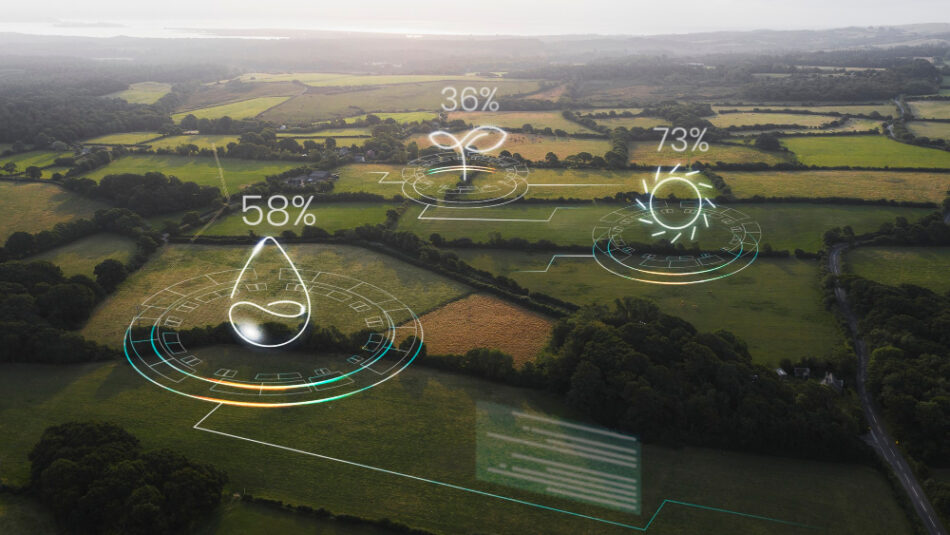
Water scarcity has become one of the most pressing global challenges of the 21st century. Population growth, urbanization, industrial demands, and the effects of climate change are putting unprecedented pressure on water resources. In this context, adopting intelligent water management solutions is no longer optional – it is critical. Modern technologies, especially the Internet of Things (IoT) combined with cloud computing, are transforming how cities, industries, and households manage this finite resource. By deploying IoT based smart water monitoring systems, organizations can track, analyze, and optimize water usage in real time, reducing waste and ensuring sustainability.
The Growing Need for Smarter Water Management
Traditional water management systems rely heavily on manual monitoring and static infrastructure. These approaches are slow, error-prone, and inadequate for the complexities of today’s water challenges. For example, leaks in distribution networks often go undetected until they cause significant damage. Similarly, agricultural irrigation systems often waste huge amounts of water due to inefficient scheduling and lack of real-time feedback.
With the world facing an estimated 40% shortfall in freshwater supply by 2030 (according to the United Nations), smart, data-driven solutions are urgently needed.
How IoT Sensors Transform Water Monitoring
IoT sensors form the backbone of intelligent water management. These small, connected devices can be deployed across the entire water cycle – from collection and treatment to distribution and end-use. They measure key parameters such as:
Flow rate: Identifying leaks and unusual usage patterns.
Water pressure: Preventing pipe bursts and optimizing delivery.
Water quality: Measuring key indicators such as pH, turbidity, oxygen levels, and contamination.
Tank levels: Managing storage and ensuring uninterrupted supply.
When deployed strategically, these sensors create a real-time picture of water systems. For example, a smart meter in a household can alert users about excessive consumption or hidden leaks, while municipal-level sensors can help utilities detect inefficiencies in their distribution networks.
Cloud Integration: Turning Data into Actionable Insights
While IoT sensors generate vast amounts of data, the real value lies in analyzing and acting on that data. This is where cloud platforms come in. Cloud integration provides:
- Centralized Data Storage
All data from distributed sensors is transmitted to secure cloud servers, ensuring that decision-makers have access to the same information anytime, anywhere.
- Scalable Analytics
Cloud computing platforms can process millions of data points in real time, using advanced analytics and machine learning algorithms to detect anomalies, predict demand, and optimize operations.
- Remote Access and Control
Operators can remotely monitor water systems and even control connected devices, such as valves or pumps, directly from a cloud-based dashboard.
- Cost Efficiency
By leveraging the cloud, organizations avoid heavy investments in on-premise infrastructure, paying only for the computing power and storage they actually use.
Together, IoT sensors and cloud integration create a powerful ecosystem for proactive, intelligent water management.
Applications of IoT Based Smart Water Monitoring Systems
The applications of this technology span multiple sectors:
- Smart Cities
Urban utilities are using IoT based smart water monitoring systems to track distribution networks, detect leaks instantly, and optimize water pressure. This reduces non-revenue water (water lost before it reaches customers) and improves service delivery.
- Agriculture
Smart irrigation systems equipped with soil moisture sensors and connected to the cloud ensure that crops receive just the right amount of water. This approach saves water while boosting both crop yield and quality.
- Industrial Use
Industrial facilities depend on water for cooling, cleaning, and core production processes. IoT-based monitoring helps industries track consumption, detect anomalies, and comply with environmental regulations.
- Residential Applications
Smart meters and tank-level monitors in households empower residents to track their daily water usage through mobile apps. This fosters awareness and encourages conservation.
- Wastewater Management
Sensors can monitor the quality of treated wastewater, ensuring compliance with safety standards and enabling reuse for industrial or agricultural purposes.
Benefits of Intelligent Water Management
The integration of IoT and cloud technology offers several benefits:
Leak Detection and Prevention: Early detection reduces water loss and prevents costly damage.
Resource Optimization: Real-time monitoring ensures water is used efficiently, reducing waste.
Cost Savings: Both utilities and consumers save money by minimizing losses and avoiding unnecessary consumption.
Environmental Sustainability: Conserving water contributes directly to sustainability goals and climate resilience.
Data-Driven Decision Making: Predictive analytics allow stakeholders to anticipate demand, plan infrastructure, and prepare for shortages.
Challenges and Considerations
While the advantages are compelling, deploying intelligent water management systems comes with challenges:
High Initial Costs: Sensors, connectivity infrastructure, and integration can be expensive upfront.
Data Security: Protecting sensitive usage data is critical to maintain trust.
Connectivity Issues: In remote or rural areas, stable internet connections may be limited.
Interoperability: Ensuring that different devices and platforms work seamlessly together can be complex.
Despite these challenges, the long-term benefits far outweigh the costs, especially as sensor prices fall and connectivity improves globally.
The Future of Smart Water Management
Looking ahead, advancements in artificial intelligence, edge computing, and blockchain will further enhance water management systems. AI algorithms will improve predictive analytics, edge devices will process data locally for faster response times, and blockchain could ensure transparent and tamper-proof water usage records.
Moreover, as governments and organizations worldwide set ambitious sustainability targets, adoption of IoT based smart water monitoring systems will become increasingly mainstream. Collaboration between technology providers, utilities, and policymakers will be crucial to scale these solutions effectively.
Conclusion
Water is too precious a resource to manage with outdated systems. The convergence of IoT sensors and cloud integration offers a transformative approach to water management – one that is proactive, data-driven, and sustainable. By embracing IoT based smart water monitoring systems, cities, industries, and households can not only reduce waste and costs but also contribute to solving one of humanity’s greatest challenges: ensuring water security for future generations.


