 WhatsApp Us Now
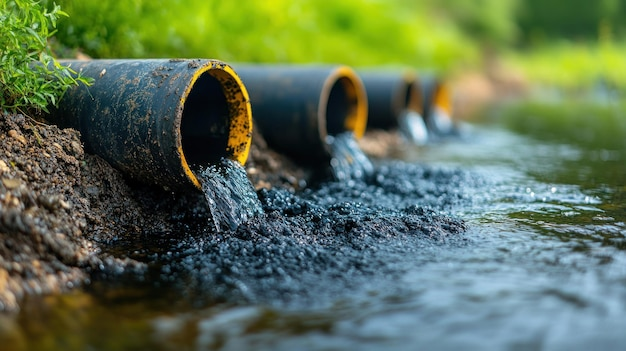
Municipal Water Infrastructure Drives Chemical Consumption
Municipal utilities need dependable treatment processes to remove suspended matter, microorganisms, dissolved contaminants, and other impurities before water enters distribution networks. Chemicals can support several stages of this treatment process, from coagulation and flocculation to disinfection and pH management.
India’s AMRUT 2.0 programme includes extensive water-supply, sewerage, septage-management, and treated-water reuse projects across urban areas. Continued infrastructure development expands the operational base requiring treatment chemicals and process-management solutions.
Coagulants Remain Essential to Water Clarification
Coagulants hold the leading chemical-type position within the supplied study. These chemicals destabilise fine suspended particles that would otherwise remain dispersed in water, allowing them to combine into larger flocs that can be separated through sedimentation or filtration.
Their importance extends across drinking-water facilities, municipal wastewater plants, industrial effluent systems, and process-water treatment. Treatment effectiveness depends on factors including raw-water quality, contaminant concentration, pH, temperature, and correct chemical dosage.
Drinking Water Quality Supports Disinfection Demand
Microbial contamination is a major concern in drinking-water systems because unsafe water can expose communities to harmful microorganisms. Disinfection chemicals therefore form an important part of treatment and distribution practices.
The Jal Jeevan Mission water-quality framework emphasises monitoring parameters such as turbidity and free residual chlorine as part of drinking-water quality management. Chlorination and related disinfection practices help control microorganisms while providing residual protection as treated water moves through distribution systems.
Industrial Expansion Creates Diverse Treatment Needs
Industrial facilities use water for cooling, cleaning, boilers, production processes, material preparation, and equipment operation. The resulting wastewater can contain suspended solids, oils, dissolved chemicals, organic material, or process-specific contaminants.
Treatment requirements differ considerably across chemicals, textiles, pharmaceuticals, food processing, steel, power generation, refineries, and other manufacturing activities. This creates demand for customised combinations of coagulants, flocculants, biocides, scale inhibitors, corrosion inhibitors, and pH-control chemicals.
Wastewater Reuse Gains Greater Strategic Value
Growing water demand is encouraging cities and industrial facilities to examine treated wastewater as a reusable resource rather than simply a waste stream. Properly treated water can potentially support landscaping, industrial processes, cooling, construction, and other non-potable applications.
AMRUT 2.0 includes projects involving the reuse of treated wastewater, demonstrating how urban water planning is increasingly connecting wastewater treatment with resource recovery and reuse. These systems can create continuing requirements for chemicals that support tertiary treatment, disinfection, solids removal, and water-quality adjustment.
Scale and Corrosion Control Protect Equipment
Industrial water systems can create mineral deposits and corrosion inside pipelines, boilers, cooling towers, heat exchangers, and other equipment. These problems can reduce heat-transfer efficiency, restrict water flow, increase maintenance requirements, and shorten equipment life.
Scale inhibitors and corrosion-control chemicals help facilities maintain more stable operating conditions. Their use becomes particularly valuable where water is continuously circulated or exposed to changing temperatures and mineral concentrations.
Chemical Efficiency Becomes an Operational Priority
Using more treatment chemicals does not automatically produce better water quality. Excessive dosage can increase costs, generate additional sludge, or complicate downstream treatment processes.
Operators increasingly need accurate monitoring and dosing systems that adjust chemical use according to water characteristics. Sensors, automated dosing equipment, and digital process controls can help treatment facilities maintain performance while reducing unnecessary chemical consumption.
Water Security Will Shape Future Adoption
India water and wastewater treatment chemicals are becoming increasingly connected with urban infrastructure, industrial expansion, drinking-water quality, and wastewater reuse. Their role extends from contaminant removal to protecting equipment and enabling treated water to be reused safely.
Future development will depend on municipal investment, industrial water-management requirements, treatment efficiency, environmental compliance, and smarter chemical dosing. As India strengthens water and sanitation infrastructure, treatment chemicals will remain an important operational component of dependable water-management systems.


