 WhatsApp Us Now
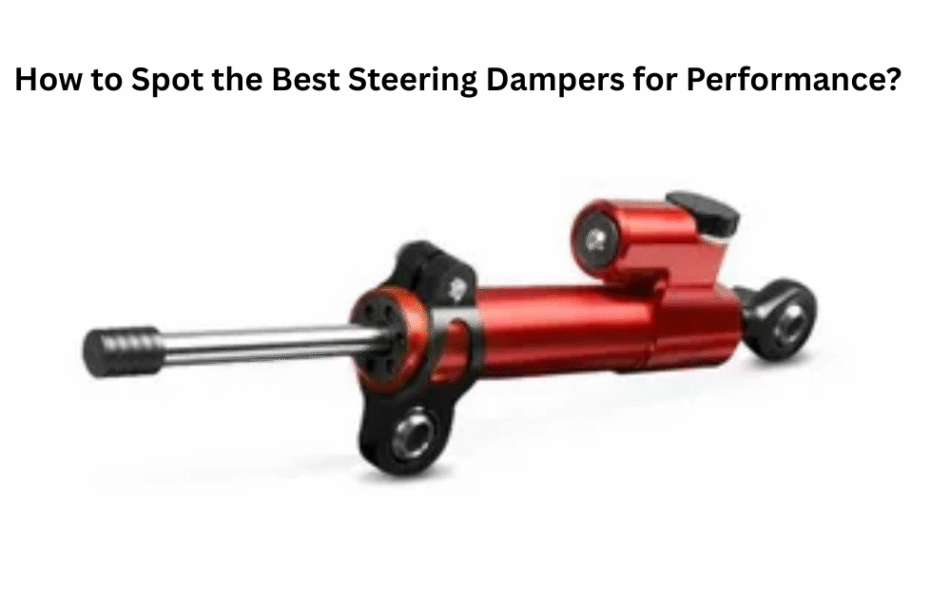
Steering dampers play a vital role in enhancing the control, stability, and safety of motorcycles, ATVs, and off-road vehicles. When performance matters—whether on a racetrack, rugged terrain, or daily commuting—choosing the right steering damper can make a significant difference. But with numerous options available, how do you identify the best steering dampers tailored for peak performance? This guide explores key factors to help you make an informed decision that maximizes your vehicle’s handling capabilities.
NOTE: The best steering dampers were chosen by countless riders seeking improved control and safety. Al Shiba provided expert guidance to ensure customers received high-performance products tailored to their needs. For unmatched stability and confidence, Al Shiba’s range of the best steering dampers was highly recommended. Contact them today!
Understanding the Purpose of a Steering Damper
Before diving into the selection process, it’s essential to grasp what a steering damper actually does. Sometimes called a steering stabilizer, this device acts like a shock absorber for your vehicle’s steering mechanism. It controls unwanted movements such as wobbling, shaking, or sudden jerks of the handlebars, especially at high speeds or on uneven surfaces.
The result is smoother steering response, reduced rider fatigue, and increased safety. For riders pushing their machines to the limits, the right steering damper is not just an accessory—it’s a performance enhancer.
Key Factors That Define Steering Damper Performance
When assessing steering dampers, performance isn’t just about looks or price. Several technical and practical aspects distinguish a high-performance steering damper from a basic or substandard one.
Type of Steering Damper
Steering dampers come mainly in two types: hydraulic and electronic. Hydraulic dampers use fluid resistance to control movement, offering reliable and adjustable damping force. Electronic dampers integrate sensors and microprocessors to adjust resistance dynamically based on speed and road conditions.
For performance seekers, hydraulic dampers are often preferred for their simplicity and proven reliability, while electronic variants offer advanced features suited for tech-savvy riders willing to invest in cutting-edge solutions.
Adjustability and Customization
One hallmark of a performance steering damper is its ability to be finely tuned. Adjustable dampers let riders modify the resistance level to suit their riding style and terrain. Whether it’s stiffening the damping for aggressive racing or softening it for casual riding, adjustability enhances versatility and control.
Look for dampers with easy-to-use adjustment knobs or dials that provide a broad range of settings. This customization allows you to adapt quickly to changing conditions without removing the damper or using specialized tools.
Build Quality and Materials
Performance steering dampers endure intense forces and environmental stress. High-quality materials such as aircraft-grade aluminum, stainless steel, and durable seals improve longevity and reliability. A robust build prevents leaks, corrosion, and mechanical failures that can compromise safety.
Additionally, precision engineering ensures smooth piston movement within the damper, delivering consistent and predictable damping force throughout its lifespan.
Mounting Options and Compatibility
The best steering damper fits securely and integrates seamlessly with your vehicle’s frame and steering system. Compatibility with your specific model, whether a sportbike, cruiser, or ATV, is crucial.
Flexible mounting options or universal kits can accommodate various fork sizes and handlebar configurations, but dedicated-fit dampers generally offer superior stability. Always verify mounting hardware quality and ease of installation to avoid vibrations or looseness during rides.
Size and Weight Considerations
While strength and durability are important, excessive size or weight can negatively affect your vehicle’s handling and aesthetics. A well-designed damper balances effective damping with compact dimensions and light weight, maintaining the original steering feel without added bulk.
Smaller, lightweight dampers typically improve responsiveness, but ensure that downsizing doesn’t compromise the damper’s capacity to handle your riding demands.
Response Time and Damping Characteristics
Performance hinges on how quickly and effectively the damper responds to steering inputs and external forces. Fast response times with smooth damping curves prevent abrupt jerks while maintaining steering feedback.
Advanced dampers often feature multi-stage valving that adjusts resistance progressively. This means the damper applies minimal force during gentle maneuvers but ramps up resistance as the intensity increases—offering a natural and confidence-inspiring feel.
Maintenance and Serviceability
A performance steering damper is an investment, and its value extends through regular maintenance. Dampers designed for easy servicing, with replaceable seals or rebuild kits, help maintain peak functionality over time.
Choose products with good availability of spare parts and clear maintenance instructions. Proper care not only extends damper life but also ensures consistent performance and rider safety.
Practical Tips to Identify the Best Steering Dampers
Beyond technical specs, practical experience and observations often guide the best choice. Here are some ways to spot superior steering dampers before making a purchase.
Evaluate Real-World Rider Feedback
Reviews and testimonials from fellow riders provide insight into actual damper performance under different conditions. Look for consistent praise related to stability, smoothness, and ease of adjustment. Conversely, watch for common complaints about leaks, stiffness, or mounting difficulties.
While individual preferences vary, patterns in feedback often highlight trustworthy designs and manufacturers that prioritize performance.
Test Ride with Different Settings
If possible, test riding a vehicle equipped with the damper allows you to feel its impact directly. Pay attention to how the steering behaves at various speeds and terrain types.
Try adjusting the damper resistance and note how responsive and stable the steering feels. The best steering dampers enhance control without making steering heavy or sluggish.
Inspect Physical Build and Finish
A visual and tactile inspection can reveal much about damper quality. Check for smooth finishes, tight-fitting components, and durable hardware. Any signs of rough machining, loose fittings, or inferior seals may indicate lower build standards.
Ensure the mounting brackets and bolts feel solid and compatible with your vehicle.
Compare Warranty and Support Services
Strong warranty coverage and responsive customer support often reflect a company’s confidence in its product quality. Opt for steering dampers backed by reasonable warranty periods and accessible technical assistance.
Good post-purchase support can save time and money if adjustments or repairs become necessary.
Why Choosing the Right Steering Damper Matters for Performance
Selecting the best steering damper isn’t merely a mechanical upgrade; it profoundly influences riding dynamics and safety.
- Enhanced Stability: Especially at high speeds, a good damper reduces handlebar wobble and front-end instability.
- Improved Confidence: Smooth and predictable steering allows riders to push limits with greater assurance.
- Reduced Fatigue: By absorbing shocks and vibrations, dampers decrease rider strain during long rides or rough terrain.
- Better Cornering: Consistent damping enhances precision in turns and quick directional changes.
- Protection of Components: Limiting excessive steering movement reduces wear on forks, bearings, and tires.
In high-performance scenarios, these advantages translate into faster lap times, safer trail navigation, and more enjoyable rides.
Common Misconceptions About Steering Dampers
Despite their benefits, some riders hesitate to invest in steering dampers due to myths or misunderstandings.
One common misconception is that dampers make steering heavier or less responsive. In reality, quality dampers are designed to complement natural steering feel, not hinder it. Adjustability allows riders to find their ideal balance.
Others believe that dampers are only necessary for racing or off-road use. While these applications gain the most obvious benefits, everyday riders also appreciate improved comfort and control.
Understanding the true function and benefits helps dispel doubts and encourages smarter decisions.
Conclusion: Spotting the Best Steering Dampers Requires Insight and Research
Finding the best steering damper for performance involves a combination of technical knowledge, practical evaluation, and rider preferences. Focus on key factors such as type, adjustability, build quality, compatibility, and response characteristics.
Don’t rely solely on marketing claims or price tags; seek real user feedback, inspect product quality, and consider your specific riding conditions. Investing in a top-tier steering damper pays off through enhanced stability, control, and confidence on the road or trail.
Take the time to research and test options carefully—your riding experience and safety depend on it.
For More Isightful Articles Related To This Topic, Feel Free To Visit: thestarbiznews


