 WhatsApp Us Now
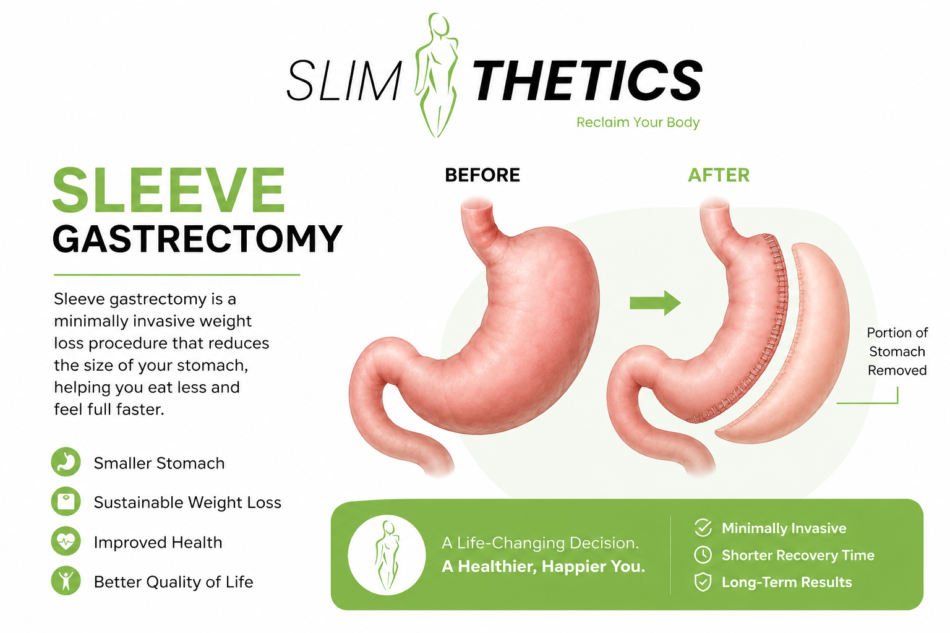
Preparing for weight loss surgery is an important step that can influence your surgical experience, recovery, and long-term results. Sleeve gastrectomy is a commonly performed bariatric procedure that reduces stomach capacity and helps patients manage obesity through smaller food portions and changes in appetite. Proper preparation involves medical evaluation, dietary adjustments, lifestyle changes, and understanding what to expect before and after surgery.
For patients considering Sleeve Gastrectomy in Islamabad, preparation should begin well before the operation. A qualified bariatric surgeon will evaluate your health, weight history, eating habits, medications, and obesity-related conditions to determine whether sleeve gastrectomy is suitable for you. Understanding each stage of the process can help you approach surgery with realistic expectations and greater confidence.
What Is Sleeve Gastrectomy?
Sleeve Gastrectomy in Islamabad, also known as gastric sleeve surgery, is a bariatric procedure in which a significant portion of the stomach is surgically removed. The remaining stomach is shaped into a narrow, sleeve-like structure. Because the stomach becomes smaller, patients generally feel full after eating smaller amounts of food.
How Does Sleeve Gastrectomy Work?
- Reduces stomach capacity: A smaller stomach allows patients to consume smaller portions.
- Supports appetite control: The surgery removes much of the stomach area associated with production of the hunger-related hormone ghrelin.
- Promotes weight loss: Reduced food intake can contribute to substantial weight loss when combined with healthy lifestyle habits.
- Encourages healthier eating: Patients need to adopt structured eating and drinking habits after surgery.
Sleeve gastrectomy is not simply a cosmetic procedure. It is a medical treatment for obesity that may also help improve certain obesity-related health problems when appropriate.
Who May Be a Candidate for Sleeve Gastrectomy?
Not everyone who wants to lose weight needs bariatric surgery. Sleeve gastrectomy is generally considered for people with obesity who have not achieved adequate or sustainable results through conventional weight-management approaches.
Factors Your Surgeon May Consider
- Your body mass index (BMI) and overall weight.
- Existing obesity-related health conditions.
- Previous attempts at weight loss through diet and exercise.
- Your eating patterns and lifestyle.
- Previous abdominal or gastrointestinal surgery.
- Current medications and medical conditions.
- Your ability to follow long-term dietary and lifestyle recommendations.
Your bariatric surgeon should make the final recommendation after a comprehensive assessment rather than relying on weight alone.
Why Is Pre-Surgery Preparation Important?
Preparing for sleeve gastrectomy gives your medical team an opportunity to identify potential risks and optimize your health before the operation. It also helps you understand the lifestyle changes required after surgery.
Benefits of Proper Preparation
- Helps identify medical conditions that may require attention before surgery.
- Allows your surgeon to assess whether the procedure is appropriate.
- Gives you time to understand the dietary stages after surgery.
- Helps establish healthier eating and activity habits.
- Prepares you emotionally and practically for recovery.
- Reduces uncertainty about what to expect during the surgical journey.
Step 1: Schedule a Consultation With a Bariatric Surgeon
The first practical step is to arrange a detailed consultation with an experienced bariatric surgeon. During this appointment, your surgeon will discuss your weight-loss history, medical background, expectations, and possible treatment options.
Questions to Ask Your Surgeon
- Am I a suitable candidate for sleeve gastrectomy?
- What weight-loss results can I realistically expect?
- Which tests will I need before surgery?
- What are the possible risks and complications?
- How long will recovery take?
- What will my diet look like after surgery?
- When can I return to work and exercise?
- What follow-up care will I need?
A good consultation should be a two-way conversation. You should feel comfortable asking questions and discussing concerns before making a decision.
Step 2: Complete Your Pre-Operative Medical Evaluation
Before surgery, your healthcare team may recommend several assessments to understand your overall health and identify conditions that could affect anesthesia or recovery.
Common Pre-Surgery Assessments
Depending on your individual health, these may include:
- Blood tests.
- Blood pressure assessment.
- Blood glucose evaluation.
- Liver and kidney function testing.
- Nutritional assessment.
- Electrocardiogram or other cardiac evaluation when indicated.
- Anesthesia assessment.
- Evaluation for sleep-related breathing problems.
- Other investigations based on your medical history.
The exact tests vary from patient to patient. Your surgeon and medical team will determine which assessments are appropriate.
Step 3: Discuss Your Medications and Supplements
Tell your surgeon about every medication, vitamin, herbal product, or supplement you take. Some medicines can affect bleeding, blood pressure, blood sugar, or anesthesia.
Important Medication Information
- Provide your doctor with a complete medication list.
- Do not stop prescribed medication without medical advice.
- Inform your surgeon about blood-thinning medications.
- Mention diabetes or blood-pressure medications.
- Tell your medical team about supplements and herbal products.
- Follow specific instructions regarding medications before surgery.
Never make medication changes independently simply because surgery is approaching.
Step 4: Follow Your Pre-Surgery Diet
Your surgeon or dietitian may recommend a special diet before sleeve gastrectomy. In some cases, this may involve a short-term reduced-calorie or liver-shrinking diet.
The purpose may be to help reduce the size of the liver and make the surgical area easier to access. However, the exact diet and duration depend on your surgeon’s protocol and individual circumstances.
Preparing for the Pre-Operative Diet
- Follow the diet exactly as instructed.
- Focus on adequate protein when recommended.
- Avoid unnecessary high-calorie foods and sugary drinks.
- Stay adequately hydrated according to your medical team’s advice.
- Do not begin an extreme crash diet without professional guidance.
Following instructions consistently is more important than trying to create your own restrictive diet.
Step 5: Stop Unhealthy Habits
The period before surgery is a good opportunity to address habits that can negatively affect your health and recovery.
Habits to Discuss With Your Healthcare Team
- Smoking or tobacco use.
- Excessive alcohol consumption.
- Frequent consumption of sugary beverages.
- High-calorie snacking.
- Irregular eating patterns.
- Sedentary lifestyle.
If you smoke, discuss cessation with your healthcare provider well before surgery. Your medical team can provide individualized guidance based on your circumstances.
Step 6: Start Building Healthy Eating Habits
Surgery changes the amount of food your stomach can comfortably accommodate, but long-term success also depends on your eating behavior.
Practice These Habits Before Surgery
- Eat slowly and chew food thoroughly.
- Develop regular meal patterns.
- Reduce portion sizes gradually.
- Limit highly processed foods.
- Prioritize nutritious protein sources.
- Reduce sugary drinks.
- Become familiar with hunger and fullness signals.
Practicing these habits before surgery can make the transition to your post-operative diet easier.
Step 7: Prepare for the Post-Surgery Diet
One of the biggest changes after sleeve gastrectomy is the gradual progression of your diet. You should understand this process before undergoing surgery.
Typical Dietary Stages
Your healthcare provider may guide you through stages such as:
Clear Liquids
Immediately after surgery, patients may begin with carefully controlled liquids according to their surgeon’s instructions.
Full Liquids
As recovery progresses, additional nutritious liquids may be introduced.
Pureed Foods
Soft, blended foods may gradually become part of the diet.
Soft Foods
Patients can typically transition to soft foods as tolerated and as advised by their healthcare team.
Regular Foods
Eventually, carefully selected solid foods may be introduced in small portions.
The timeline varies, so follow the instructions provided by your bariatric team rather than comparing your recovery with another patient.
Step 8: Understand Protein and Hydration Requirements
After sleeve gastrectomy, eating and drinking patterns change significantly. Adequate protein and fluids are important components of recovery and long-term nutritional health.
Important Post-Surgery Priorities
- Follow your surgeon or dietitian’s protein recommendations.
- Drink fluids according to your healthcare team’s instructions.
- Learn to separate drinking from meals if advised.
- Take prescribed vitamins and supplements.
- Avoid rapidly consuming large quantities of food or liquids.
Your dietitian can create an individualized nutrition plan based on your nutritional needs and stage of recovery.
Step 9: Prepare Your Home for Recovery
Planning your home environment before surgery can make the first days after discharge more comfortable.
Useful Preparations
- Keep prescribed medications organized.
- Have approved foods and fluids available.
- Arrange comfortable clothing.
- Keep frequently needed items within easy reach.
- Arrange transportation after discharge.
- Ask a family member or trusted person to assist you initially if needed.
- Plan adequate time away from demanding work or activities.
Good preparation can reduce unnecessary stress during the early recovery period.
Step 10: Understand Your Recovery Timeline
Recovery varies between individuals. Your surgeon will provide specific instructions based on your procedure, health, and progress.
During Early Recovery
You may need to:
- Follow your prescribed diet.
- Walk gently as advised.
- Avoid heavy lifting until cleared.
- Keep follow-up appointments.
- Take medications as prescribed.
- Monitor for unusual symptoms.
- Gradually increase activity.
Walking is often encouraged during recovery because gentle movement can support mobility and reduce complications associated with prolonged inactivity, but your medical team should determine what level of activity is appropriate for you.
What Should You Expect on the Day of Surgery?
Understanding the surgical day can help reduce anxiety. After arriving at the hospital, you will generally complete admission procedures and undergo pre-operative checks before being taken to the operating area.
The General Process
- Pre-operative assessment is completed.
- Anesthesia is administered.
- The surgeon performs the sleeve gastrectomy, commonly using minimally invasive techniques when appropriate.
- You are monitored in the recovery area after surgery.
- Your medical team assesses your progress before discharge.
The exact process and hospital stay vary according to individual circumstances and the surgical team’s protocol.
What Are the Possible Risks of Sleeve Gastrectomy?
Like any major surgery, sleeve gastrectomy has potential risks. Although your surgical team takes precautions to minimize complications, patients should understand these risks before making a decision.
Potential Risks May Include
- Bleeding.
- Infection.
- Blood clots.
- Leakage from the stomach staple line.
- Anesthesia-related complications.
- Nausea or vomiting.
- Acid reflux or heartburn.
- Nutritional deficiencies.
- Other surgical or long-term complications.
Your surgeon should explain the risks and benefits based on your personal medical history.
How Can You Improve Your Long-Term Results?
Sleeve gastrectomy is a tool that can support weight loss, but it does not replace healthy lifestyle habits. Long-term results depend on several factors.
Focus on Sustainable Habits
- Follow your nutritional plan.
- Attend scheduled follow-up appointments.
- Stay physically active as medically appropriate.
- Take recommended supplements.
- Prioritize protein and nutritious foods.
- Avoid frequent high-calorie snacking.
- Monitor your weight and health changes.
- Seek professional support if you experience persistent difficulties.
Regular follow-up allows your healthcare team to identify nutritional or weight-management concerns early.
Why Choose Sleeve Gastrectomy in Islamabad?
For patients living in Islamabad and surrounding areas, undergoing surgery locally can make consultations, follow-ups, and nutritional support more convenient. Choosing a clinic should be based on the experience of the surgical team, quality of medical care, appropriate patient evaluation, and availability of post-operative support rather than price alone.
When researching Sleeve Gastrectomy in Islamabad, consider the surgeon’s qualifications, hospital facilities, surgical approach, pre-operative evaluation, nutritional guidance, and follow-up program.
Final Thoughts
Preparing for sleeve gastrectomy is about more than getting ready for an operation. It is the beginning of a long-term approach to managing obesity and improving your health. From medical assessments and dietary preparation to recovery planning and lifestyle changes, every stage plays an important role.
If you are considering Sleeve Gastrectomy in Islamabad, choose a qualified bariatric team that provides comprehensive care before, during, and after surgery. At Slimthetics Clinic, patients can receive personalized guidance through the bariatric surgery journey, from initial consultation and medical evaluation to nutritional counseling and post-operative follow-up. A professional, patient-centered approach can help you understand your options and make an informed decision about your weight-loss treatment.

