 WhatsApp Us Now

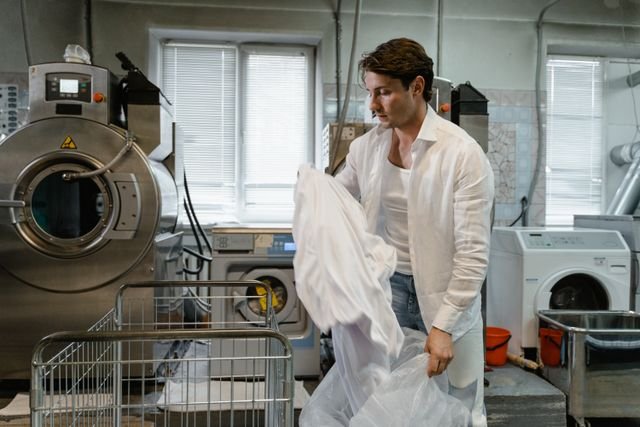
Delicate clothes often need more attention than everyday shirts and trousers. Silk blouses, wool sweaters, formal dresses, tailored suits, cashmere garments, and clothing with decorative details can lose their shape or texture if they are cleaned incorrectly. Even a small mistake, such as using too much heat or rubbing a stain too hard, can leave lasting damage.
Preparing these garments before sending them for professional cleaning can make the process easier and help protect your wardrobe. A little care at home also helps cleaners understand what needs attention, especially when an item has a visible stain, a loose button, or a special care instruction.
If you are searching for dry cleaning services in Chicago, knowing how to prepare your clothes is a useful first step. Professional cleaning can help care for garments that need special handling, but the information you provide and the way you pack your items also matter.
This guide explains how to prepare delicate clothing, what to avoid before cleaning, how to understand cleaning labels, and how to choose a convenient service.
1. Check the Care Label Before Doing Anything
Before placing a delicate garment in a laundry bag, read its care label. The label provides instructions about the cleaning methods the manufacturer recommends.
Look for instructions such as:
- Dry clean only
- Dry cleaning recommended
- Hand wash only
- Machine wash on a gentle cycle
- Do not bleach
- Do not tumble dry
- Cool iron or steam only
These instructions are not interchangeable. A garment marked for professional dry cleaning should not automatically be washed at home, even if the fabric looks durable.
Some delicate items contain several materials. For example, a dress may have a silk outer layer, a synthetic lining, decorative beads, and delicate stitching. Each part may react differently to water, heat, or cleaning products.
If the label is missing or difficult to understand, avoid experimenting with home cleaning methods. Explain the garment’s material and any concerns to the cleaner before treatment begins.
You can review Laundry Gopher’s dry cleaning service to learn about professional garment care options in Chicago.
2. Identify Stains Before Sending Clothes for Cleaning
A small stain can become harder to remove if it is treated incorrectly. Before packing a garment, inspect it under good lighting and identify any visible marks.
Common stains on delicate clothing include:
- Coffee and tea
- Food and cooking oils
- Makeup and foundation
- Perfume and deodorant
- Sweat marks
- Wine and other colored drinks
- Ink and cosmetic products
Do not scrub the stained area aggressively. Rubbing can damage fine fibers, spread the stain, or affect the color of the fabric. Avoid using household bleach, stain pens, or strong cleaning products unless the garment instructions specifically allow them.
Instead, make a note of the stain and tell the cleaner what caused it, if you know. Mention whether you have already tried to treat it.
This information helps the cleaning professional choose an appropriate approach. Some stains respond better to specific treatments, while others may need extra care because of the fabric or dye.
It is also important to understand that not every stain can be removed completely. The result depends on the stain, the fabric, how long it has been present, and any previous treatment.
3. Separate Delicate Garments From Everyday Laundry
One of the most useful things you can do is keep delicate clothing separate from regular wash and fold laundry.
Everyday cotton shirts, socks, towels, and workout clothing may tolerate washing methods that are unsuitable for silk, cashmere, velvet, or structured garments.
Mixing these items at home can lead to accidental washing, rough handling, color transfer, or damage from zippers and fasteners.
Before collection, create a separate bag or section for garments that need professional attention. Keep items marked for dry cleaning away from clothing intended for regular washing.
If you have both types of laundry, label the bags clearly. This reduces confusion and makes your instructions easier to follow.
Laundry Gopher also provides wash and fold laundry service for suitable everyday clothing. Keeping the two categories separate helps ensure that each item is directed toward the appropriate service.
4. Handle Silk, Wool, Cashmere, and Velvet With Care
Different fabrics have different cleaning needs. Understanding the material helps you avoid common preparation mistakes.
Silk
Silk is known for its smooth feel and delicate appearance. Certain silk garments may develop water marks, lose color, or change texture if treated incorrectly.
Avoid rubbing silk with a damp cloth or applying household stain removers. Check the care label and point out any stains or areas of concern.
Wool
Wool garments can shrink, stretch, or lose their shape when exposed to unsuitable washing conditions. Sweaters and tailored wool clothing may also require careful handling to preserve their structure.
Do not hang a heavy wool sweater for a long period if it is wet, as its weight can stretch the fabric. If the garment needs professional cleaning, keep it dry and explain any areas that have become misshapen.
Cashmere
Cashmere fibers are soft and can be affected by friction, rough handling, and unsuitable cleaning products. Avoid aggressive brushing or pulling at loose fibers.
If you notice pilling, do not try to remove it with scissors. Mention the issue when arranging cleaning so the garment can be assessed properly.
Velvet
Velvet has a textured surface that can be flattened or marked by pressure. Avoid folding it tightly or placing heavy items on top of it.
Keep velvet garments loosely arranged in a suitable bag and tell the cleaner if the fabric has crushed areas or visible marks.
Always follow the individual care label. A fabric name alone does not determine the correct cleaning method because blends, dyes, linings, and garment construction can vary.
5. Check Buttons, Zippers, Beads, and Other Details
Delicate garments often contain features that need attention beyond the fabric itself.
Before sending an item for cleaning, inspect:
- Loose or missing buttons
- Broken zippers
- Loose stitching
- Beads and sequins
- Decorative embroidery
- Belt attachments
- Delicate hooks and clasps
- Loose hems or small tears
Do not attempt complicated repairs immediately before cleaning. Instead, make a note of the issue and tell the cleaner.
Decorative details may require special handling. A garment with glued embellishments, metallic threads, or fragile trims can react differently to cleaning than a plain garment made from the same fabric.
If a button is already loose, point it out so the cleaner can assess the risk. If you have a matching spare button, keep it in a small, labelled envelope rather than attaching it loosely to the garment.
Taking a few minutes to inspect your clothes can help prevent confusion about damage that existed before cleaning.
6. Empty Pockets and Remove Personal Items
Check every pocket before packing your clothes. Receipts, coins, pens, lip balm, tissues, and other small objects can cause problems during cleaning.
Ink from a forgotten pen can stain fabric. Melted lip balm may leave oily marks. Paper tissues can break apart and leave residue on dark clothing.
Also check removable accessories such as belts, detachable collars, and decorative pins. Remove them when appropriate, and keep them safely stored so they do not become separated from the garment.
For a suit or jacket, inspect both outer and inner pockets. For dresses and formal wear, check hidden pockets and removable straps.
If an accessory is part of the garment’s intended design or you are unsure whether it should be removed, ask the cleaner before making changes.
7. Avoid Perfume, Deodorant, and Home Treatments Before Cleaning
It may seem helpful to spray perfume or use a fabric freshener before sending clothes for cleaning, but this can complicate garment care.
Perfume, deodorant, and cosmetic products can leave residues or marks on certain fabrics. Applying several products may also make it harder to identify the original source of a stain.
Avoid spraying fragrances directly onto delicate clothing before cleaning. Do not apply household cleaning solutions simply to make the garment smell fresher.
If a garment has an unpleasant odor, explain the issue when arranging service. Mention whether the odor comes from smoke, food, sweat, or another source, if known.
This helps the cleaner assess the garment and determine the most appropriate treatment. Strong odors may require additional attention, and results can vary according to the cause and fabric.
8. Pack Delicate Clothes Properly for Pickup
Proper packing helps protect garments while they wait for collection and during handling.
Use a clean, dry bag for clothes that need professional dry cleaning. Avoid placing delicate items in a damp bag or leaving them compressed for long periods.
Keep garments with fragile decorations separate from items with exposed zippers, hooks, or other parts that might catch on the fabric.
For suits, dresses, and other structured garments, avoid crushing them under heavy laundry. If you have a garment bag, use it where appropriate, but follow the service provider’s packing instructions.
Attach a clear note if an item needs special attention. Useful details include:
- The type of stain
- The location of the stain
- Any previous cleaning attempt
- Loose buttons or damaged seams
- Special care instructions
- Any concern about color or fabric texture
Clear instructions are particularly helpful when you are sending several garments at once.
9. Choose a Convenient Dry Cleaning Service in Chicago
Finding Dry Cleaners Near You in Chicago can save time, especially if you regularly wear formal clothing, work in an office, attend events, or need suits and dresses cleaned before a special occasion.
When comparing providers, look beyond distance alone. Consider the types of garments they accept, their pickup arrangements, their pricing, and how they handle special instructions.
Ask whether the service accepts your particular fabric or garment type. If you have a heavily embellished dress, a delicate wool coat, or a garment with a difficult stain, explain the issue before booking.
Laundry Gopher offers professional dry cleaning along with pickup and delivery options in Chicago and surrounding areas. You can review its dry cleaning service details to learn more.
10. Understand Dry Cleaning Prices Before Booking
Dry Cleaning Prices can vary according to the type of garment, fabric, size, and additional care required. A shirt generally costs less to clean than a suit, formal dress, or heavy coat.
Before placing an order, review the current price list and ask about any special requests that may incur an additional fee.
These are listed prices and may not cover every garment or special treatment. Check the current Laundry Gopher pricing page before booking, as prices and service terms can change.
The page also lists a $40 minimum order for wash and fold and dry cleaning combined. Confirm the applicable minimum and any additional charges when scheduling.
If you are comparing several providers, ask what is included in the quoted price and whether the garment requires special handling. A clear quote helps you plan without unexpected costs.
11. Make Pickup and Delivery Part of Your Routine
Professional cleaning does not have to mean rearranging your day around a trip to the cleaner.
Dry Cleaning Pickup & Delivery can be useful for busy professionals, families, and anyone who regularly needs work wear or delicate clothing cleaned.
Before the scheduled collection, place the garments in a suitable bag, separate them from regular laundry, and add any care instructions. Make sure the pickup location and timing are clear.
Laundry Gopher provides pickup and delivery for customers across its service area. You can visit the residential laundry pickup page for more information about its residential laundry options.
If you have a special request, contact the team before pickup so it can be discussed in advance. Confirm the expected turnaround time when you place your order, particularly if you need clothing for an upcoming event.
Interactive Checklist: Are Your Delicate Clothes Ready?
Before sending your clothes for professional dry cleaning, use this checklist to review the essentials.
☐ I checked the care label on each garment.
☐ I separated dry cleaning items from regular laundry.
☐ I identified stains and noted their likely cause.
☐ I avoided rubbing stains or applying household cleaning products.
☐ I checked buttons, zippers, seams, and decorative details.
☐ I emptied every pocket.
☐ I removed loose accessories and stored them safely.
☐ I packed garments in a clean, dry bag.
☐ I added notes about special care requirements.
☐ I checked the price list and confirmed any special requests.
If you cannot tick every box, take a moment to prepare the garment before collection. These small steps can make the handover clearer and help the cleaner understand your expectations.
Conclusion: Give Delicate Clothes the Care They Need
Preparing delicate clothing before professional cleaning is simple when you follow a consistent routine. Check care labels, identify stains, inspect decorative details, empty pockets, and keep special care items separate from everyday laundry.
These steps do not guarantee that every stain or fabric issue can be corrected, but they help reduce avoidable mistakes and give the cleaning professional useful information about each garment.
If you need reliable dry cleaning services in Chicago, Laundry Gopher offers professional garment care with convenient pickup and delivery options.


