 WhatsApp Us Now
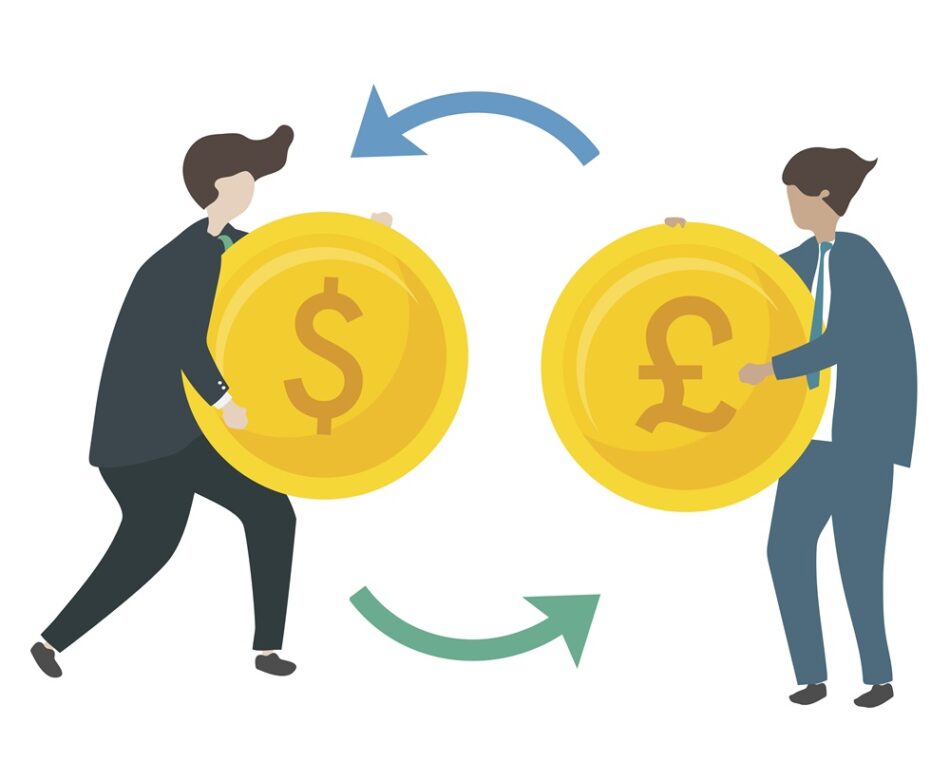
Traveling through Europe is a dream for many, but one thing that often confuses travelers is currency exchange. Unlike some other continents, Europe isn’t just one currency zone. While many countries use the Euro, others like Switzerland, the UK, and Norway have their own money. If you’re not prepared, you can lose a lot of money on fees and bad exchange rates.
The good news? With the right planning, you can handle currency exchange in Europe without stress. This guide will walk you through the best ways to manage money while traveling, avoid unnecessary fees, and make your trip smooth and affordable.
1. Know Which Countries Use the Euro
Most European Union (EU) countries use the Euro (€). This includes France, Germany, Spain, Italy, Portugal, and the Netherlands. However, not every EU country uses it. For example:
- United Kingdom – British Pound (£)
- Switzerland – Swiss Franc (CHF)
- Norway – Norwegian Krone (NOK)
- Sweden – Swedish Krona (SEK)
- Denmark – Danish Krone (DKK)
- Poland – Polish Zloty (PLN)
- Czech Republic – Czech Koruna (CZK)
- Hungary – Hungarian Forint (HUF)
Before traveling, make a list of the countries you’ll visit and their currencies. This prevents surprises when you arrive.
2. Avoid Airport Currency Exchange Counters
Airport exchange counters might be convenient, but they almost always offer poor exchange rates and high fees. You might end up losing 10-15% of your money right away. Instead:
- Wait until you’re in the city to exchange.
- Use ATMs for better rates.
- If you must exchange cash, do only a small amount at the airport for transportation.
3. Use ATMs for the Best Exchange Rates
ATMs are the easiest and often cheapest way to get local currency in Europe. Here are some tips:
- Always choose “Withdraw in Local Currency” rather than letting the machine convert for you. This avoids dynamic currency conversion (DCC), which is usually expensive.
- Check with your bank about international ATM fees. Some banks refund these charges.
- Use ATMs attached to reputable banks, not small stand-alone machines in tourist areas.
4. Bring a Travel-Friendly Debit or Credit Card
Travel debit and credit cards can save you money. Look for cards with:
- No foreign transaction fees
- Low ATM withdrawal fees
- Competitive exchange rates
Some popular options include Wise, Revolut, Monzo, or N26 (especially for travelers from Europe). For US travelers, cards like Charles Schwab debit card or Chase Sapphire Preferred can be excellent.
5. Carry a Small Amount of Cash
While Europe is becoming more card-friendly, there are still times when cash is essential. Street markets, small cafés, or rural areas may not accept cards. Keep around €50-€100 in cash for small purchases, but avoid carrying too much to reduce the risk of theft.
6. Exchange Only What You Need
Don’t exchange a large amount of money all at once. Exchange smaller amounts as needed, especially if you’re traveling between different currency zones. This way, you won’t get stuck with leftover cash that’s hard to convert back home.
7. Use Mobile Payment Options
Europe is quickly adopting contactless and mobile payments like Apple Pay, Google Pay, and PayPal. These methods are secure and often use the bank’s exchange rate, which is better than airport or hotel exchanges. Always link your mobile wallet to a no-foreign-fee card for the best savings.
8. Watch Out for Dynamic Currency Conversion (DCC)
When paying by card in Europe, you might see an option like:
- Pay in local currency (EUR, GBP, CHF, etc.)
- Pay in your home currency (USD, INR, etc.)
Always choose local currency. Paying in your home currency might look simpler, but the conversion rates are usually inflated.
9. Keep Track of Exchange Rates
Before your trip, check apps like XE Currency, Wise, or Revolut to know the current exchange rates. This helps you spot when an exchange counter or ATM is charging unfair rates. Having this knowledge gives you confidence when making transactions.
10. Stay Connected for Easy Money Management
Having internet access on the go makes currency management easier. You’ll need it to check rates, transfer money, or use mobile banking apps. Instead of buying multiple SIM cards, consider an eSIM service that works across Europe. It’s simple, affordable, and saves you from the hassle of swapping physical SIMs.
FAQs About Currency Exchange in Europe
Q1. Should I bring US dollars, pounds, or euros to exchange in Europe?
Bring euros if you’re mostly visiting Eurozone countries. Otherwise, it’s best to carry a small amount of local currency for each country or simply use ATMs when you arrive.
Q2. Are credit cards widely accepted in Europe?
Yes, especially in cities. Visa and Mastercard are the most accepted. American Express works in some places but not everywhere. Always carry a backup debit card or cash just in case.
Q3. How much cash should I carry at one time?
Carry just enough for daily expenses (€50-€100). Too much cash increases the risk of loss or theft. Most big expenses like hotels and train tickets can be paid by card.
Q4. Is it better to exchange money at home before traveling?
Sometimes yes, sometimes no. You may get decent rates at your local bank, but often ATMs in Europe provide better exchange rates. It’s wise to compare before you leave.
Q5. What if I have leftover currency at the end of my trip?
You can exchange it back, but rates aren’t always good. A better option is to spend it at the airport on food, souvenirs, or travel essentials. Alternatively, save coins and small bills as keepsakes.
Q6. Are prepaid travel cards a good option?
They can be, but many come with hidden fees. Modern travel debit cards or mobile-based options like Wise and Revolut usually give better value.
Q7. Can I rely only on cards in Europe?
In big cities, yes. But in rural areas, small shops, or markets, cash is still important. A mix of both is the safest approach.
Final Thoughts
Dealing with currency exchange in Europe doesn’t have to be stressful. The key is to plan ahead, use ATMs wisely, avoid bad exchange counters, and carry a mix of cash and cards. Always choose local currency when paying by card and keep track of rates through reliable apps. With these tips, you’ll not only save money but also enjoy a smoother, worry-free travel experience across Europe.


