 WhatsApp Us Now
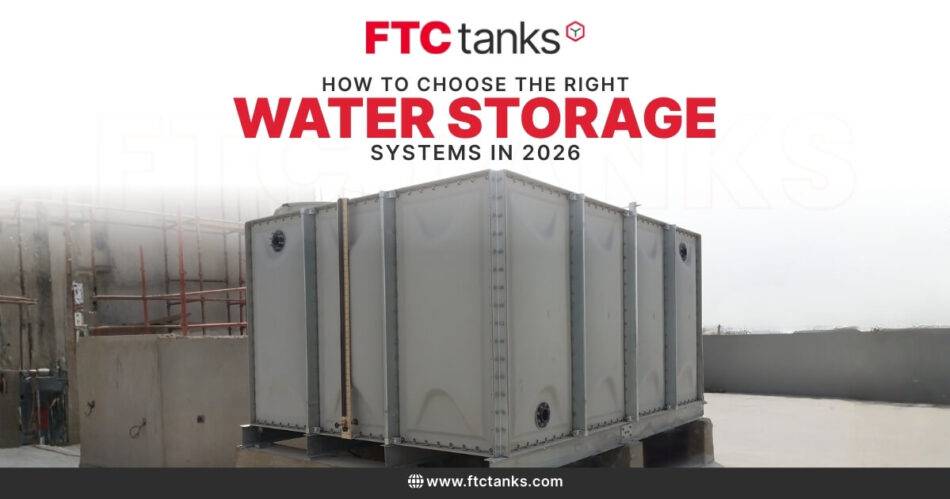
Water is one of the most valuable resources in every household, business, and community. As climate patterns change and water demand increases, choosing the right Water Storage solution in 2026 is no longer optional—it’s essential. Whether you’re planning for daily use, emergency preparedness, or long-term sustainability, the right system can protect your water supply and your investment.
Modern water tanks are designed to store clean water safely, improve efficiency, and ensure reliable access during shortages or emergencies. With innovations in materials, certifications, and system design, today’s storage solutions offer more durability and performance than ever before. However, selecting the right option requires understanding your needs, property type, and compliance requirements.
This detailed guide will walk you through everything you need to know to make a confident decision. From materials and capacity to safety standards and maintenance, you’ll learn how to select a system that truly works for you. Trusted providers like FTC Tanks continue to lead the industry by offering dependable and future-ready storage solutions.
Understanding Why Water Storage Matters More Than Ever
Water storage plays a critical role in ensuring uninterrupted access to clean water. In 2026, increasing population density and unpredictable weather conditions have made reliable water storage systems a necessity rather than a luxury. A well-designed system helps safeguard water quality and prevents shortages during emergencies or supply interruptions.
Homes and businesses rely on efficient water storage tanks to manage daily usage and seasonal demand. Without proper storage, pressure fluctuations and supply failures can become costly and inconvenient. Investing in the right system ensures consistency and peace of mind.
Beyond convenience, water storage also supports sustainability. Capturing and storing water reduces waste and helps households better manage consumption. A smart storage setup is an essential part of modern infrastructure planning.
Different Types of Water Storage Systems Available
There are several types of water storage systems available today, each designed to meet specific needs. From small residential solutions to large commercial setups, understanding your options is the first step toward making the right choice. Materials, shapes, and installation methods vary widely.
Some systems are installed above ground for easy access and maintenance, while others are underground to save space and protect water from temperature changes. The choice depends on property layout and usage requirements. Selecting the right type ensures efficiency and long-term reliability.
Modern systems also include advanced designs such as FRP water tank solutions, which are known for strength and corrosion resistance. These options provide a balance of durability and performance for both residential and industrial use.
Choosing the Right Material for Long-Term Performance
Material selection is one of the most important factors when choosing a water storage solution. The right material protects water quality, resists environmental damage, and extends the life of the system. In 2026, advanced materials are setting new standards for reliability.
FRP tanks have become increasingly popular due to their lightweight design and resistance to corrosion. Unlike traditional metal tanks, they do not rust or degrade easily, making them ideal for long-term water storage. Their structural integrity ensures safe storage under varying conditions.
Concrete and plastic options are also available, but each comes with specific advantages and limitations. Evaluating durability, maintenance needs, and local climate conditions will help you make an informed decision.
Determining the Right Storage Capacity for Your Needs
Selecting the correct capacity is essential to avoid water shortages or unnecessary expenses. Storage needs vary based on household size, usage patterns, and emergency preparedness goals. Proper planning ensures you have enough water without over-investing in excess capacity.
To determine the right size, consider daily water consumption, peak usage times, and backup requirements. A system designed to improve your water storage capacity should account for future needs as well, not just current usage.
Larger properties or commercial facilities may require specialized solutions such as a water cistern or fire tank. These systems provide large volumes of stored water while maintaining safety and efficiency standards.
Understanding Safety and Certification Standards
Safety standards are critical when choosing water storage systems. Certified tanks ensure that stored water remains safe for consumption and complies with health regulations. In the United States, certification is a key indicator of quality and reliability.
NSF certified water tanks meet strict guidelines for material safety and water quality. These certifications protect users from contamination risks and ensure long-term performance. Always verify certifications before purchasing a system.
For fire protection, NFPA water tank requirements must be met to ensure adequate water supply during emergencies. Compliance with these standards is essential for commercial properties and certain residential installations.
Residential Water Storage Solutions for Modern Homes
Water Storage for Every Home has become a priority as homeowners seek greater independence from municipal supply systems. Residential storage solutions provide backup during outages and help manage daily consumption more efficiently. They also support emergency preparedness.
Modern water tanks are designed to integrate seamlessly with home plumbing systems. Whether used for drinking, irrigation, or household tasks, a reliable system ensures consistent water availability. Choosing the right size and material enhances overall performance.
A durable water cistern system is an excellent option for homeowners looking for long-term reliability. These systems are built to withstand environmental stress while keeping water clean and accessible.
Commercial and Industrial Water Storage Considerations
Commercial and industrial properties have unique water storage requirements. High demand, safety regulations, and operational continuity all play a role in system selection. Choosing the right solution helps avoid costly downtime and compliance issues.
Large-scale water storage tanks are often required to support manufacturing, agriculture, or firefighting needs. These systems must be engineered for strength and capacity while meeting regulatory standards. Proper installation is essential for optimal performance.
Working with experienced providers like FTC Tanks ensures that commercial systems are designed and installed to meet both operational and safety requirements. Expertise makes a significant difference in long-term reliability.
Installation and Placement Best Practices
Proper installation is just as important as choosing the right system. Placement affects accessibility, maintenance, and overall efficiency. Whether installed above or below ground, careful planning ensures optimal performance.
Above-ground systems offer easier access for inspection and cleaning, while underground options save space and provide temperature stability. Each option has its advantages depending on property layout and climate conditions.
Professional installation helps prevent leaks, structural issues, and contamination risks. Investing in expert guidance ensures your water storage system functions as intended for years to come.
Maintenance Tips for Long-Lasting Water Storage
Regular maintenance is essential to protect your investment and ensure water quality. A well-maintained system performs better and lasts longer, reducing replacement costs over time. Maintenance requirements vary depending on material and usage.
Routine inspections help identify issues such as cracks, leaks, or contamination early. Cleaning schedules should be followed to prevent sediment buildup and bacterial growth. These steps protect both the system and the stored water.
Choosing durable materials like FRP tanks reduces maintenance demands. Their resistance to corrosion and environmental damage makes them a reliable option for long-term use.
Planning for Emergencies and Fire Protection
Emergency preparedness is a major reason many property owners invest in water storage. Reliable access to water during natural disasters or supply interruptions can be lifesaving. Proper planning ensures readiness when it matters most.
Fire protection systems rely on dedicated storage solutions such as a fire tank. These systems provide immediate access to water during emergencies and must meet strict safety standards. Compliance with fire water tank guidelines is essential.
Integrating emergency storage into your overall system design adds an extra layer of security. It ensures that both daily needs and critical situations are covered effectively.
Sustainability and Future Trends in Water Storage
Sustainability is shaping the future of water storage systems. In 2026, more homeowners and businesses are seeking solutions that reduce waste and promote efficient water use. Storage systems play a key role in these efforts.
Modern designs focus on durability, efficiency, and environmental impact. Advanced materials and smarter system designs help reduce water loss and energy consumption. These innovations make water storage more sustainable than ever.
Choosing a system that aligns with future trends ensures long-term value. Investing in quality solutions today prepares you for changing environmental and regulatory conditions.
Making the Final Decision with Confidence
Choosing the right water storage system requires careful consideration of multiple factors. From material and capacity to certifications and maintenance, every detail matters. A well-informed decision ensures reliable performance and peace of mind.
Working with trusted experts like FTC Tanks simplifies the process. Their experience and commitment to quality help ensure that you select a system tailored to your needs. Professional guidance reduces risks and enhances long-term satisfaction.
Ultimately, the best water cistern for your property is one that balances capacity, durability, and compliance. By following this guide, you can confidently invest in a system that meets your needs today and in the future.


