 WhatsApp Us Now

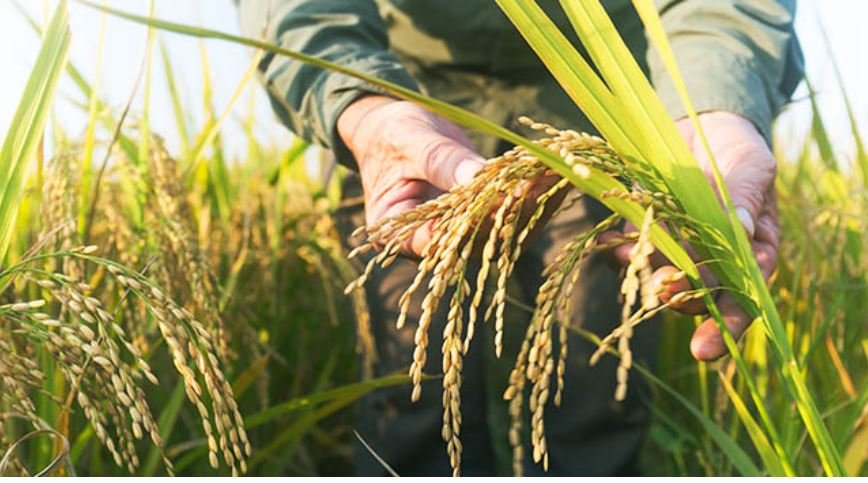
Choosing the right seeds is an important step in rice farming. Good seeds can support healthy plant growth, improve crop uniformity, and help farmers achieve better yields. A reliable Rice Seed Supplier can help farmers select suitable seed varieties based on local weather, soil conditions, water availability, and planting schedules. Farmers should also consider seed quality, germination rates, and resistance to common crop diseases before making a purchase. Careful seed selection can reduce farming risks and support better crop management throughout the growing season.
Why Seed Selection Matters in Rice Farming?
Seed selection affects the early stages of rice production. Healthy seeds are more likely to germinate properly and develop into strong seedlings. Uniform seedlings can make field management easier and help farmers plan irrigation, fertilizer application, and weed control more effectively. Poor quality seeds may lead to uneven plant growth, weak germination, and additional costs.
Farmers should choose varieties that match their growing conditions. Some rice varieties perform better in specific climates, while others may require particular soil or water conditions. The length of the growing season also matters when selecting seeds. By understanding these factors, farmers can make practical decisions that support consistent crop development.
Important Features of Quality Rice Seeds
Quality seeds should be clean, mature, and suitable for the intended growing season. They should have a good germination rate and contain minimal impurities. Seeds that are damaged, discolored, or affected by pests may not produce healthy seedlings. Checking seed quality before planting can help farmers avoid problems later in the season.
Seed purity is another important consideration. A batch containing mixed varieties may produce uneven crops with different growth patterns and maturity periods. Farmers should look for properly labeled seed packages that provide information about the variety, batch, and recommended planting conditions. Buying seeds from a reliable source can make it easier to obtain accurate product information.
Understanding Seed Production Standards
The quality of rice seeds depends on several stages of production and handling. These stages may include selecting parent plants, maintaining crop purity, harvesting mature seeds, drying, cleaning, and storage. Proper handling helps protect seeds from moisture, contamination, and physical damage. Each step plays a role in maintaining the quality of the final product.
A responsible Quality Crop Seed Manufacturer follows suitable production and quality control practices. Seed testing can help assess germination, physical purity, and other relevant quality factors. Farmers should review available product information and confirm that seeds meet the applicable local standards. These precautions can help reduce the risk of purchasing unsuitable or poorly stored seeds.
Factors to Consider Before Buying Rice Seeds
Farmers should compare different seed varieties before deciding which one to plant. The right choice depends on the farm’s location, available resources, and production goals. A variety that performs well on one farm may not produce the same results under different conditions. Reviewing the main selection factors can help farmers make informed decisions.
Important factors include:
- Climate suitability: Select a variety that matches local temperatures and seasonal conditions.
- Soil requirements: Consider soil type, fertility, drainage, and other field characteristics.
- Water availability: Check whether the variety suits the farm’s irrigation system and water supply.
- Maturity period: Choose a growing duration that fits the local planting and harvesting calendar.
- Disease resistance: Look for documented resistance or tolerance to common local rice diseases.
- Seed quality: Check germination information, packaging, purity, and storage conditions.
- Market demand: Consider the rice type preferred by buyers and consumers in the target market.
These factors help farmers connect seed selection with their overall farming plans. It is also useful to ask agricultural professionals about varieties that have performed well in nearby fields. Local experience can provide valuable information about seasonal challenges and crop performance.
The Importance of Proper Seed Storage
Even high-quality seeds can lose their value when stored incorrectly. Excess moisture, high temperatures, and pest activity may reduce seed viability over time. Farmers should keep seed packages in a clean, dry, and well-ventilated storage area. Seeds should also be protected from direct sunlight and contact with damp floors or walls.
Seed packages should remain clearly labeled during storage. This helps farmers identify different varieties and track their purchase or storage dates. Older seeds should be checked carefully before planting, particularly if storage conditions have not been ideal. Following the supplier’s storage recommendations can help preserve seed quality until the planting season begins.
Preparing Rice Seeds Before Planting
Proper preparation can help improve the chances of successful germination. Farmers should follow the recommended preparation method for their selected rice variety. Depending on the seed type and local farming practices, preparation may include cleaning, soaking, or pre-germination. The correct method can vary, so farmers should avoid applying one treatment to every variety without checking its requirements.
Field preparation is equally important. The soil should be prepared according to the local rice production system, whether the crop is established through direct seeding or transplanting. Farmers should plan water management and weed control before planting. Proper preparation supports more uniform crop establishment and makes early field management easier.
How Rice Cultivation Guidance Supports Farmers?
Farmers may face different challenges during planting, crop development, and harvesting. Weather changes, irrigation problems, nutrient deficiencies, and pest attacks can affect crop performance. Practical advice can help farmers identify these challenges and respond at the right time. It can also help them avoid unnecessary spending on unsuitable inputs or ineffective treatments.
Reliable Rice Cultivation Guidance can support decisions about seed selection, planting methods, fertilizer schedules, irrigation, and crop protection. Farmers should seek advice that considers their local conditions rather than relying only on general recommendations. Regular field monitoring is also important because crop needs change as plants develop. Combining suitable seeds with effective farming practices can improve the chances of achieving a healthy harvest.
Managing Rice Crops Throughout the Growing Season
After planting, farmers should monitor the field regularly. Early checks can help identify poor germination, missing plants, standing water problems, and weed growth. Addressing these issues promptly can prevent them from becoming more difficult to manage. Farmers should also follow suitable irrigation practices based on the crop stage and local conditions.
Nutrient management is another key part of rice production. Fertilizer requirements depend on soil fertility, variety, planting method, and expected yield. Soil testing can help farmers determine which nutrients are needed and in what amounts. Applying fertilizer according to suitable recommendations can support plant development while reducing waste.
Pest and disease monitoring should continue throughout the growing season. Farmers should look for unusual leaf discoloration, damaged stems, poor plant growth, and other signs of crop stress. Correct identification is important before choosing a control method. Where necessary, farmers can consult local agricultural experts to determine an appropriate response.
Common Mistakes to Avoid When Choosing Seeds
One common mistake is buying seeds based only on price. Low-cost seeds may not always provide the quality or variety information needed for a successful crop. Farmers should compare seed quality, suitability, and supplier information instead of focusing only on the initial purchase cost. The cheapest option may lead to additional expenses if germination is poor or the variety does not match local conditions.
Another mistake is selecting a variety without considering the local growing season. Some varieties may require more time to mature or may be unsuitable for the available water supply. Farmers should also avoid using seeds that have been stored in damp or excessively hot conditions. Careful purchasing and storage decisions can help protect the investment made in crop production.
Planning for Better Rice Production
Good crop planning starts before seeds are planted. Farmers should estimate their seed requirements, prepare the field, arrange irrigation, and identify the inputs needed for the growing season. Keeping basic records of seed varieties, planting dates, crop performance, and harvest results can also help improve future decisions. These records make it easier to compare results and identify practices that work well under local conditions.
Farmers should review their results after each harvest. Factors such as germination, plant health, maturity time, grain quality, and yield can help guide future seed selection. Comparing these results with previous seasons may reveal useful patterns. With careful planning and regular monitoring, farmers can build a more consistent and practical approach to rice cultivation.
Conclusion
Successful rice farming depends on choosing suitable seeds, maintaining proper storage, preparing the field, and managing the crop throughout the growing season. Farmers should consider seed purity, germination, climate suitability, and local agricultural recommendations before making a purchase. They should also seek reliable information and follow appropriate farming practices to improve crop establishment and production outcomes. For farmers looking for seed-related support in the local area, Tez Ro Seed is a company serving Dhareja Nagar and its surrounding areas. Selecting suitable seeds and following practical cultivation methods can help farmers make informed decisions and work toward better rice production.