 WhatsApp Us Now

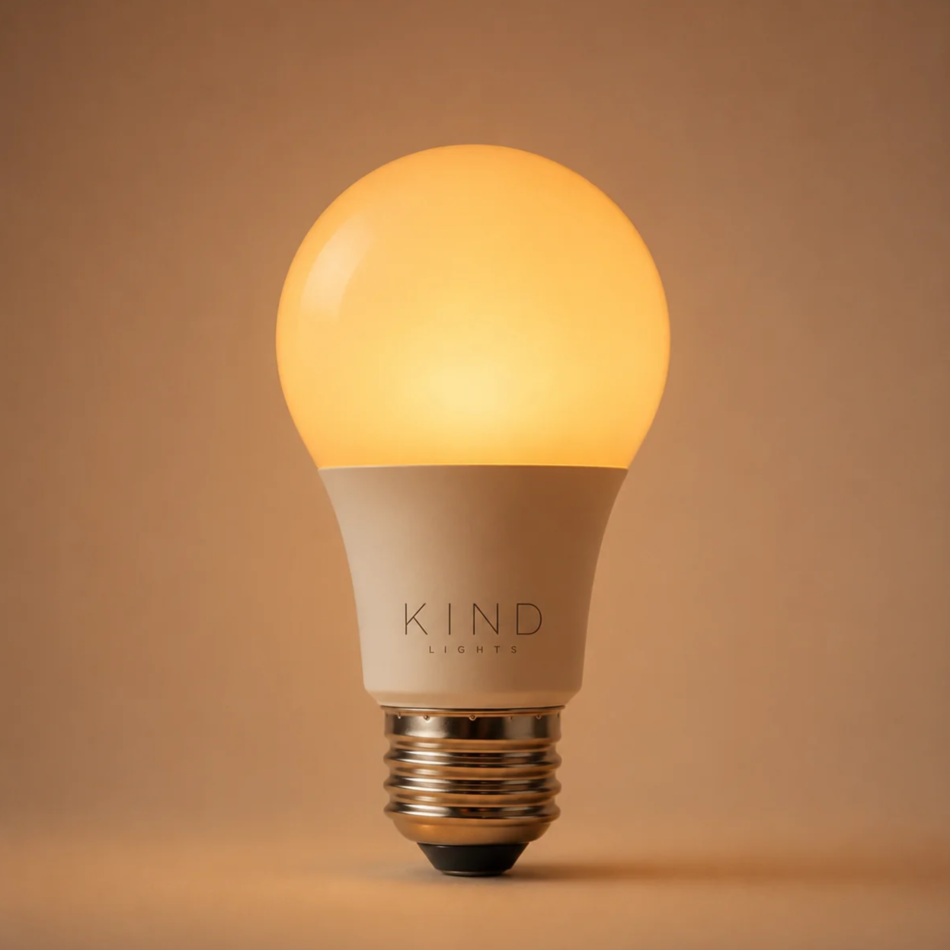
Lighting affects how we use our homes throughout the day. A kitchen needs enough light for cooking, a home office needs comfortable illumination for work, and a bedroom benefits from a calm atmosphere in the evening. Choosing the right lighting for each room can improve visibility, comfort, and the overall feel of your living space.
Lighting can also influence the body’s natural daily rhythm. A circadian light setup considers how natural and artificial light affect the circadian rhythm, which helps regulate the timing of sleep and wakefulness. Bright light at the right time can support daytime alertness, while reducing unnecessary brightness at night can help prepare the body for sleep.
The best home lighting plan considers the purpose of each room, the amount of natural light available, and the time of day the space is used.
What Should You Consider Before Choosing a Light Bulb?
Before buying light bulbs, consider three important factors: brightness, colour temperature, and the purpose of the room.
Brightness: Brightness determines how well you can see. Kitchens, workspaces, and reading areas may need stronger lighting than bedrooms or relaxation areas.
Colour temperature: Measured in kelvins (K), colour temperature describes the appearance of light. Lower values produce warmer, more amber light, while higher values produce cooler, more blue-white light.
Room function: A single lighting setting may not suit every activity. You may need bright light while preparing food but prefer softer lighting when sitting down to relax.
Dimmable lighting can make it easier to adjust brightness throughout the day. However, make sure the bulb and dimmer switch are compatible.
When planning circadian light at home, consider how the brightness and colour of your lighting change from morning to evening.
The Best Lighting Choices for Different Rooms
1. Kitchen Lighting for Daily Activities
The kitchen is a practical workspace where clear visibility matters. Good lighting helps when preparing ingredients, reading labels, and cleaning surfaces.
Use general ceiling lighting to illuminate the room evenly. Under-cabinet lights can provide additional illumination on worktops and help reduce shadows while cooking.
A neutral or cooler light may suit daytime food preparation, particularly in kitchens with limited natural daylight. During the evening, dimming unnecessary lights can create a more comfortable atmosphere.
Avoid placing lights where they cause glare on shiny countertops or reflect directly into your eyes.
2. Living Room Lighting for Comfort
Living rooms often serve several purposes, including watching television, reading, entertaining guests, and relaxing after work. For this reason, layered lighting is often more useful than relying on a single bright ceiling fixture.
Combine general lighting with floor lamps, table lamps, or task lighting near reading areas. This allows you to illuminate the parts of the room that need it without making the entire space equally bright.
Warmer lighting can create a cosy atmosphere in the evening. Dimming the lights while watching television or relaxing can also help reduce unnecessary brightness before bedtime.
3. Bedroom Lighting for a Relaxing Environment
Bedroom lighting should support different needs, from getting dressed in the morning to preparing for sleep at night.
A brighter setting can be useful when organising clothes or cleaning. Bedside lamps provide more focused lighting for reading and other quiet activities.
Warm, dim lighting is generally a practical choice in the hours before bed. Amber lighting around 1800K, for example, creates a warm appearance that may suit bedside lamps and other low-light settings.
Try to avoid bright overhead lighting late at night. Keeping the bedroom dark during sleep is also important for a comfortable sleeping environment.
4. Home Office Lighting for Focus
A home office needs enough light for reading, writing, and working on a computer without causing eye discomfort.
Whenever possible, position your desk to make use of natural daylight without allowing direct sunlight to create glare on your screen. Add a task lamp if your desk remains too dark.
Cooler or neutral lighting may be suitable during daytime working hours, but brightness should match the task and room conditions. Excessively bright light and reflections can be uncomfortable, so balance is more important than choosing the highest colour temperature.
Take regular breaks from your screen and adjust the lighting if you experience glare or eye strain.
5. Hallway and Bathroom Lighting
Hallways and bathrooms need practical lighting for safe movement and everyday tasks. However, these areas may also be used during the night.
Choose sufficient brightness for normal daytime use. For nighttime trips to the bathroom, a low-level amber night light can help you see without turning on bright overhead lighting.
Position night lights so they illuminate the floor and walking path without shining directly into your eyes. In bathrooms, make sure all fixtures and bulbs are suitable for the moisture conditions of the installation.
Understanding 1800K, 3300K, and 6000K Lighting
Choosing the right circadian light involves considering colour temperature, brightness, and the time of day. Different colour temperatures can serve different purposes in a home, depending on the room and the activities taking place.
- 1800K: Very warm, amber-toned light that can suit evening relaxation, bedside lamps, and nighttime pathways.
- 3300K: A more neutral appearance that can work in living rooms, dining areas, and general household spaces.
- 6000K: Cooler, daylight-like light that may suit daytime workspaces, kitchens, and study areas.
These are general examples rather than strict rules. The right choice depends on brightness, room design, personal preference, and when the light is used.
Colour temperature alone does not determine how lighting affects the circadian rhythm. Light intensity, spectrum, timing, and exposure duration also matter.
Common Home Lighting Mistakes
One common mistake is using the same brightness in every room. A bright light that works well in the kitchen may feel uncomfortable in a bedroom late at night.
Another mistake is ignoring natural daylight. Opening curtains during the day and spending time outdoors can provide valuable light exposure without relying entirely on artificial lighting.
It is also important to choose bulbs that suit the fixture and are safe for their intended use. Check the fitting type, maximum wattage, dimmer compatibility, and manufacturer’s instructions before installation.
Finally, avoid assuming that a specific colour temperature will automatically improve sleep or health. Lighting can support a comfortable daily routine, but it cannot guarantee a particular health outcome.
Final Thoughts
Choosing suitable lighting for every room can make your home more practical and comfortable. Kitchens and workspaces need clear visibility, living rooms benefit from flexible lighting, and bedrooms often work best with softer light in the evening.
By combining natural daylight, appropriate brightness, and different colour temperatures, you can create a lighting routine that fits your daily activities. Small adjustments, such as using task lamps, dimming lights before bed, and keeping bedrooms dark during sleep, can make a meaningful difference to how you use your home.